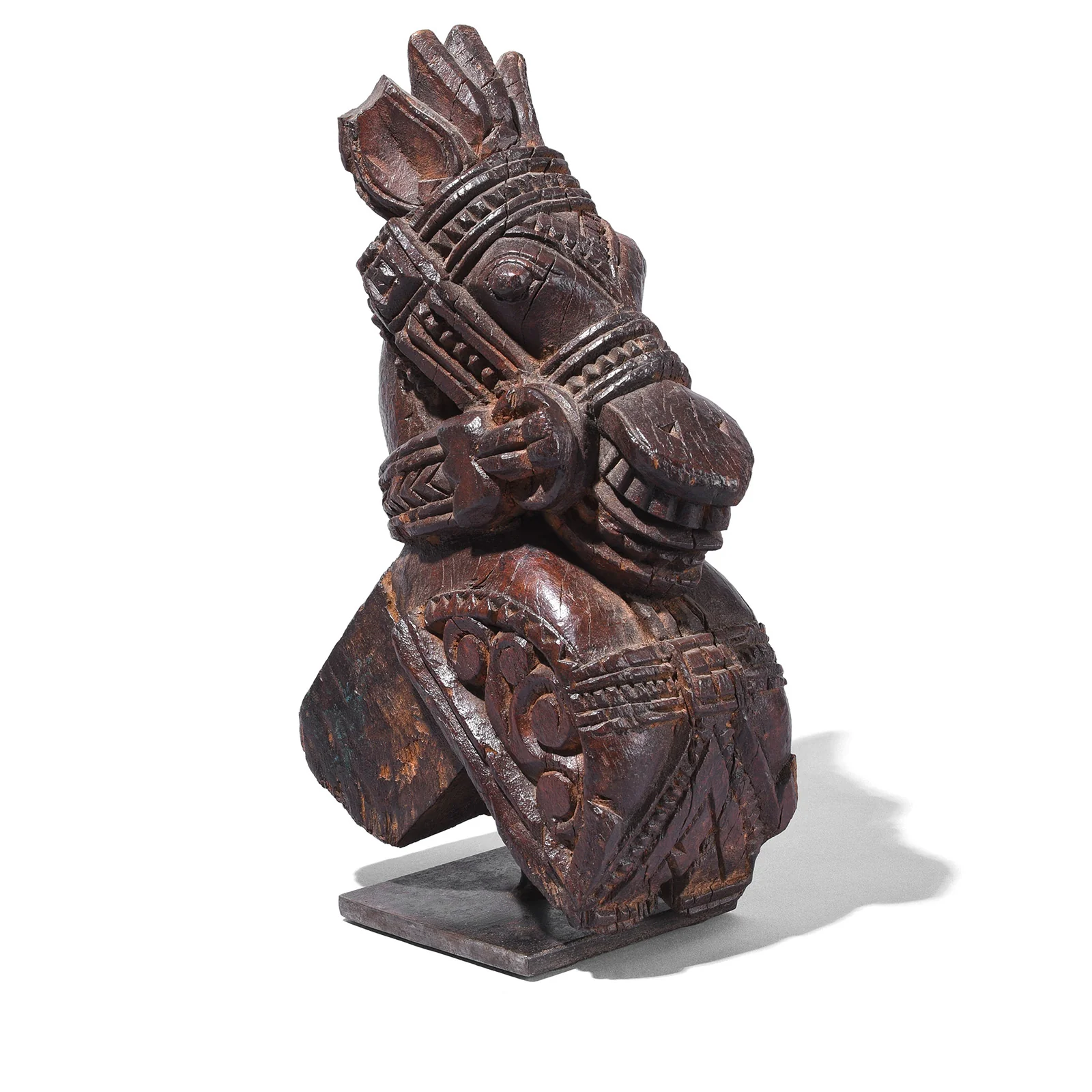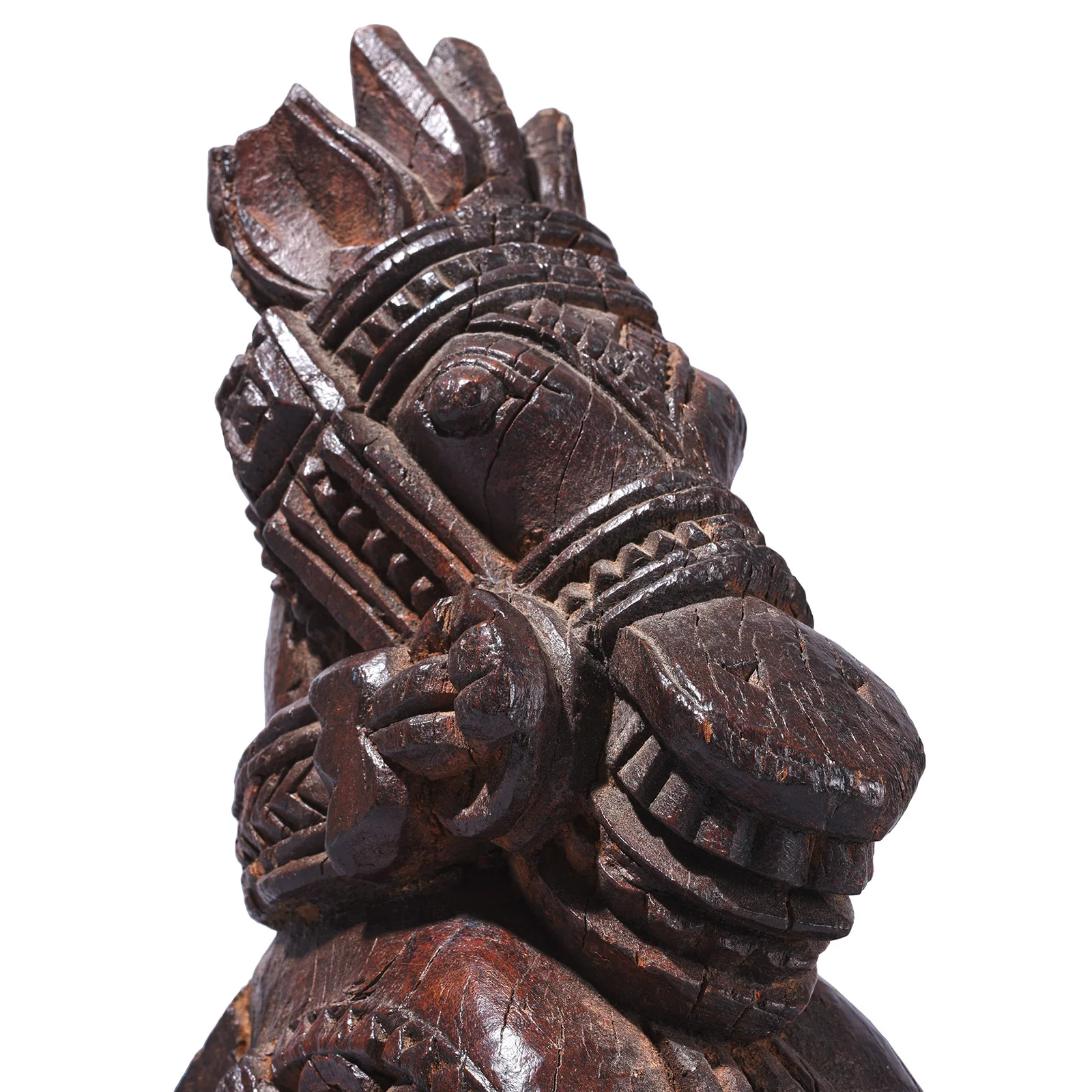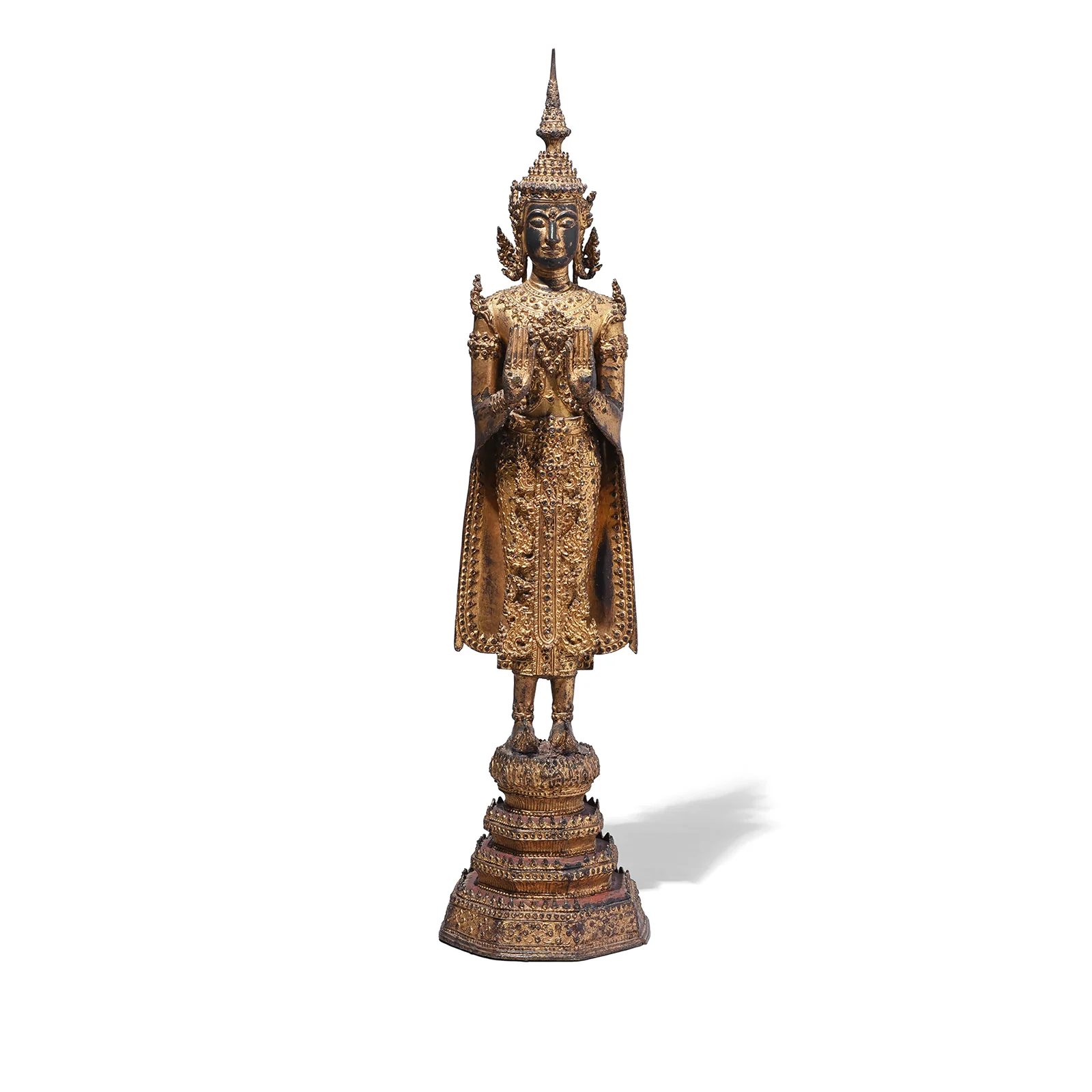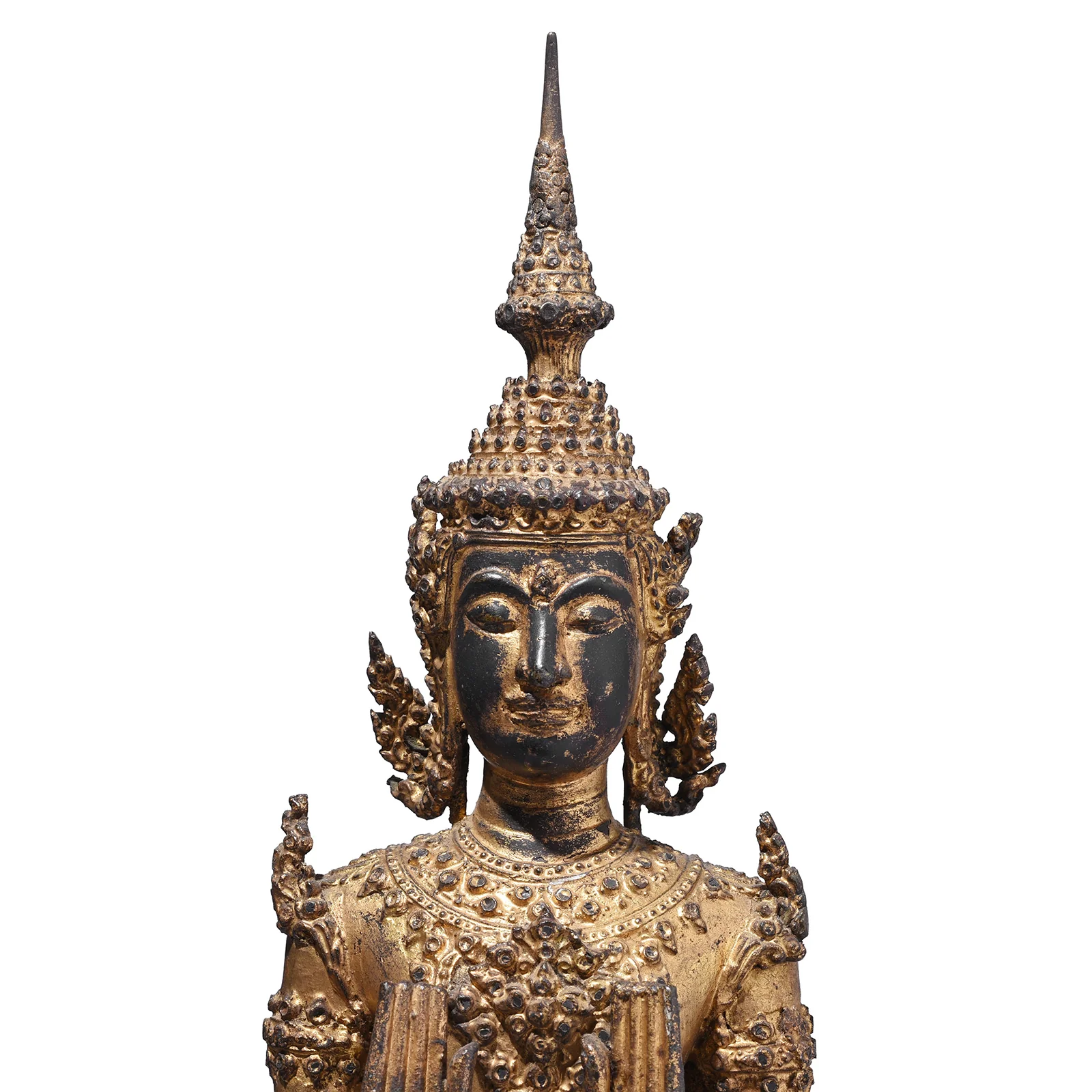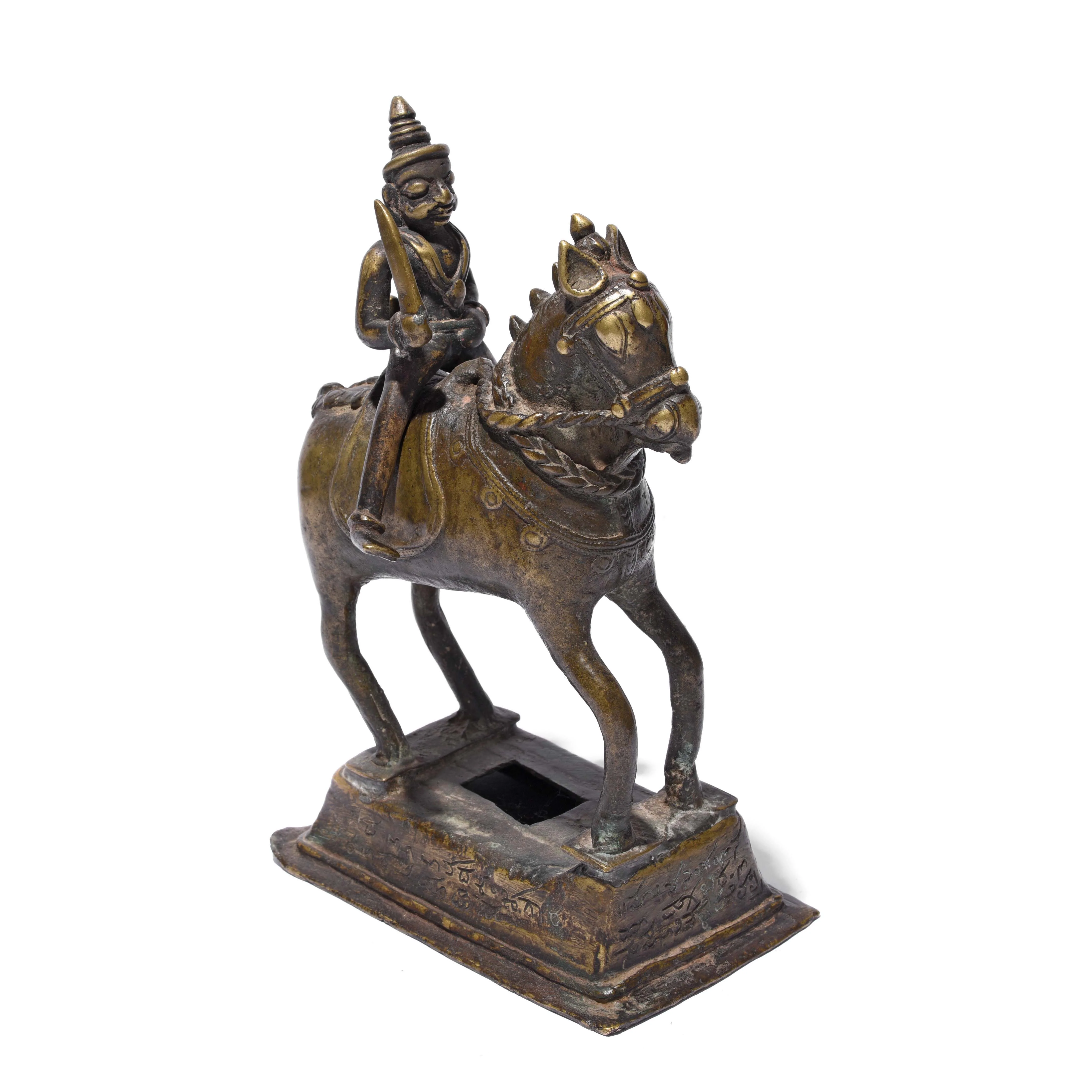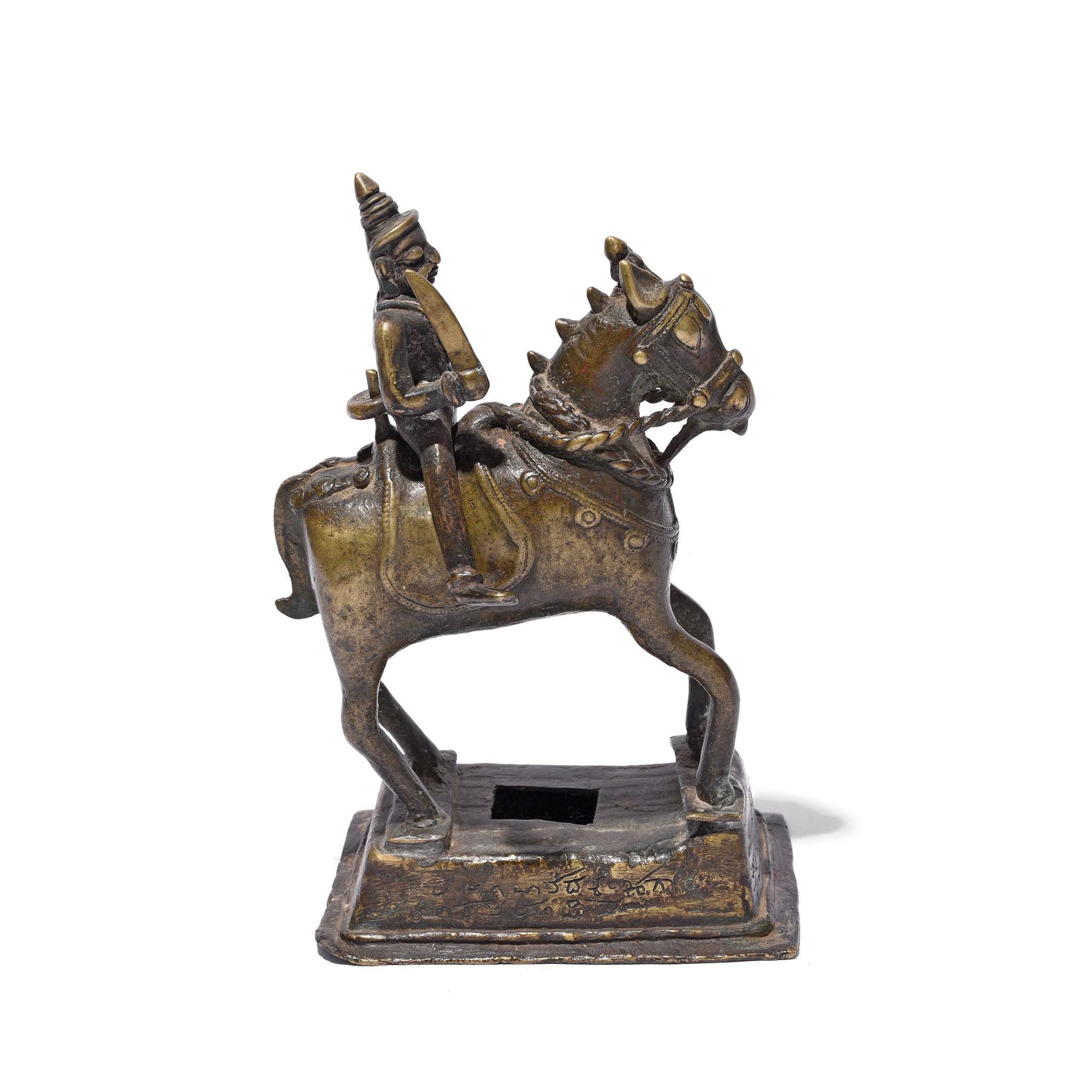
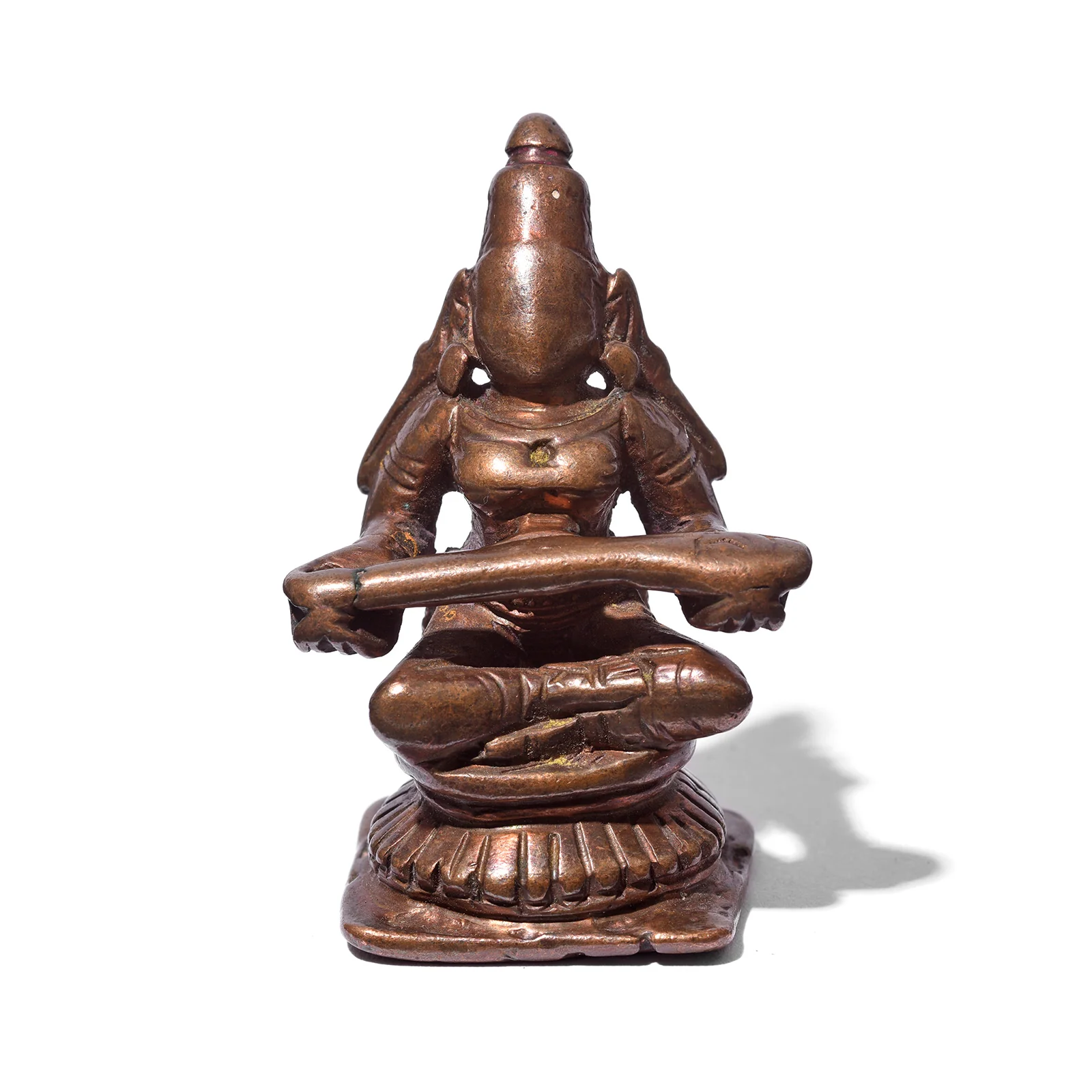
Brass Miniature Votive Statue Of Annapurna - Early 19th Century
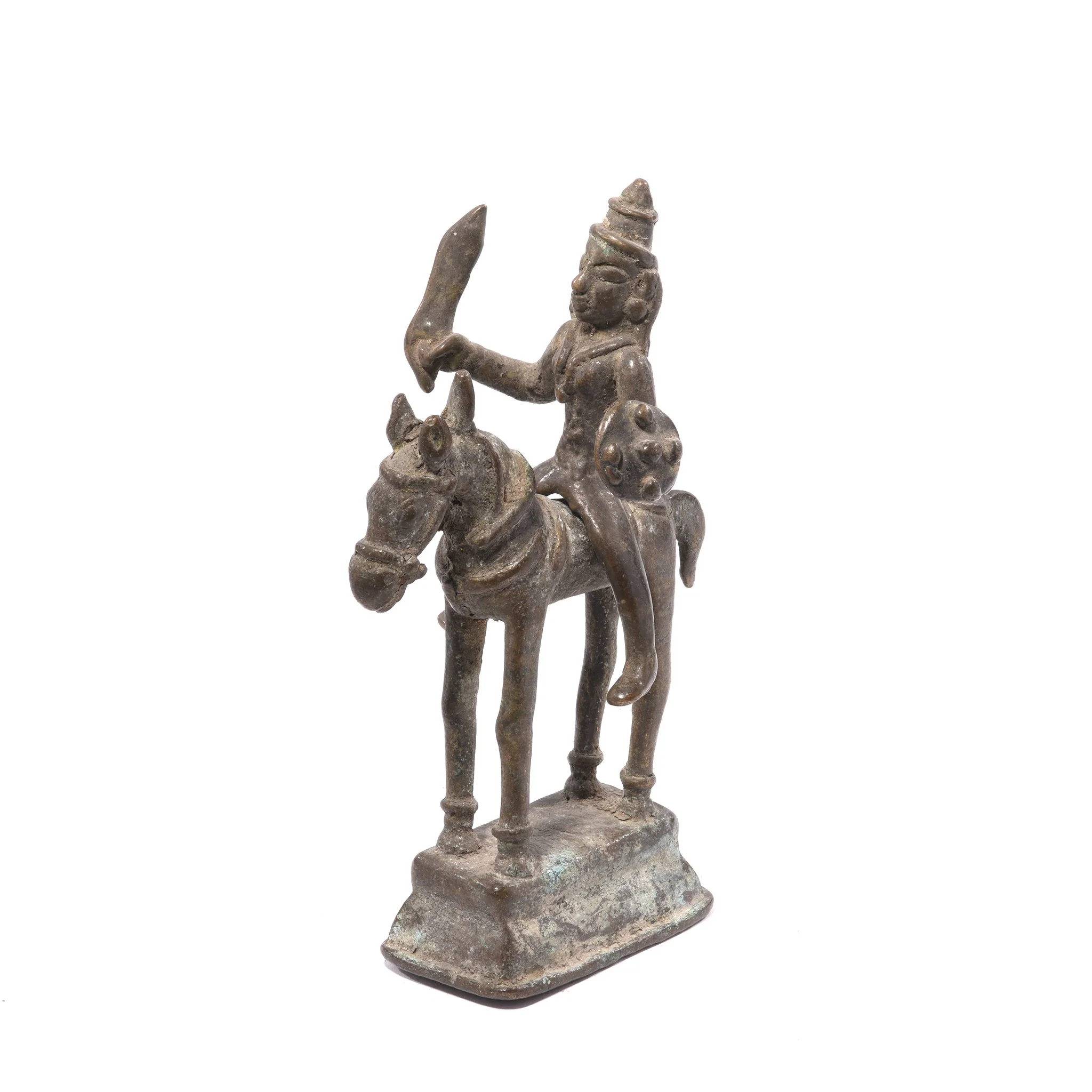
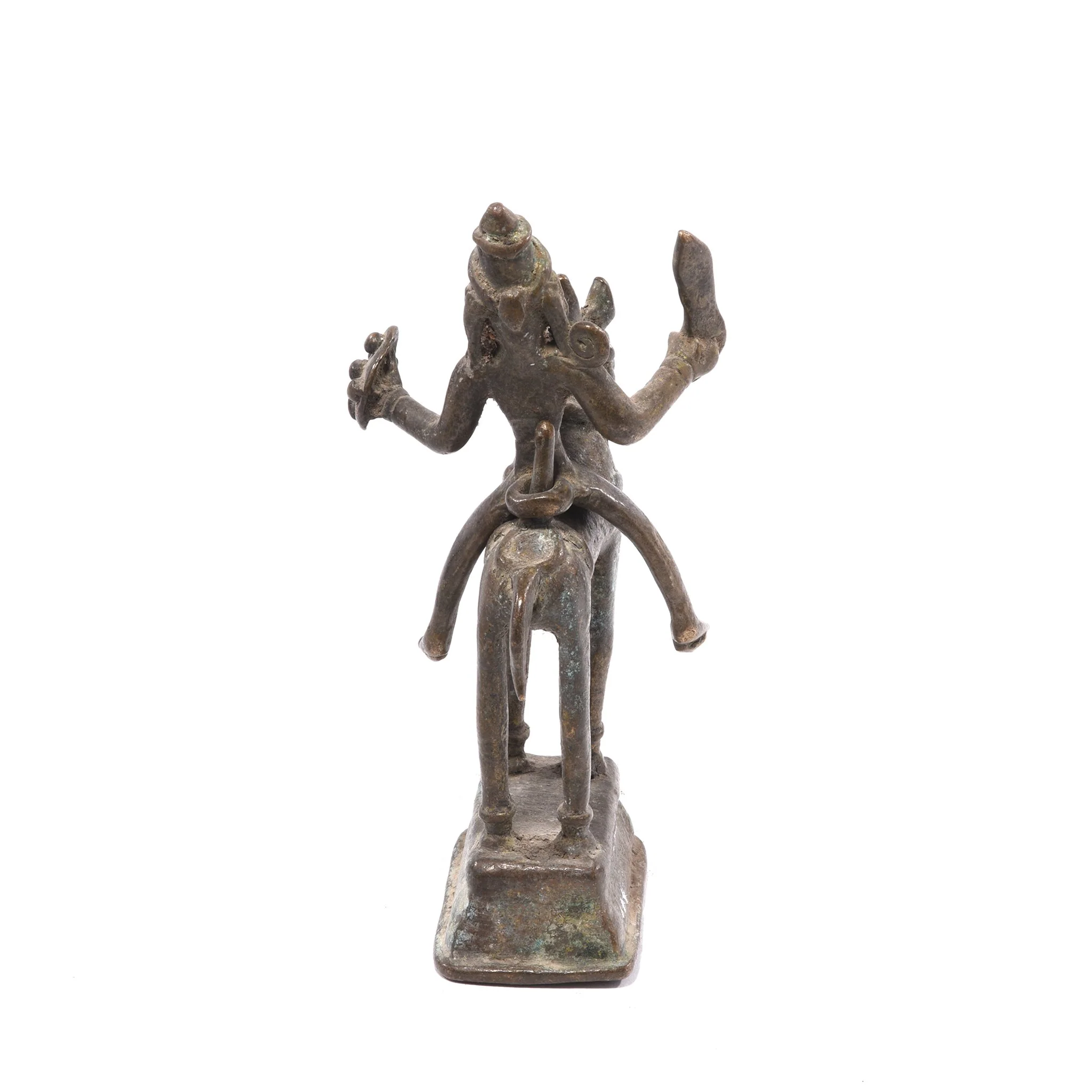
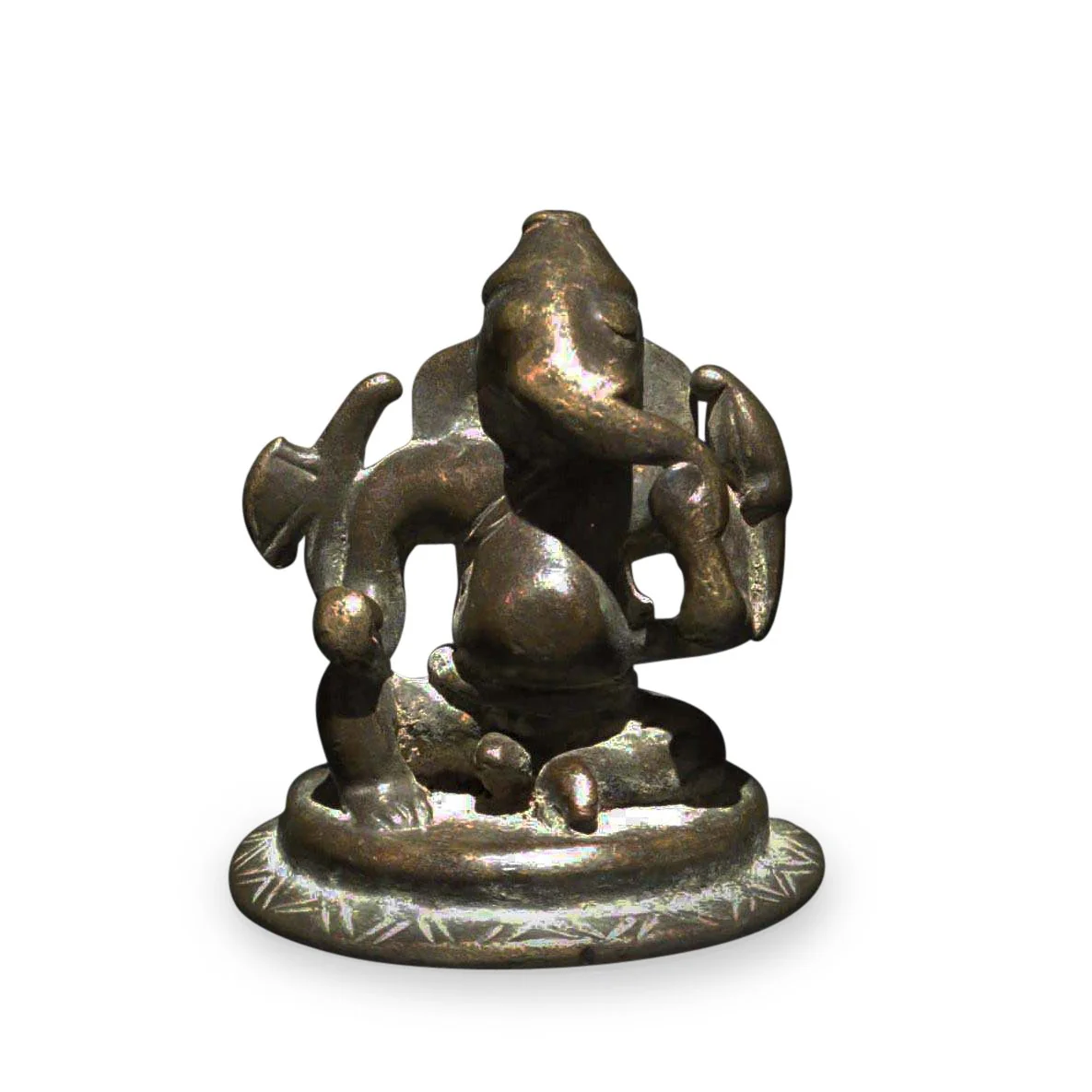
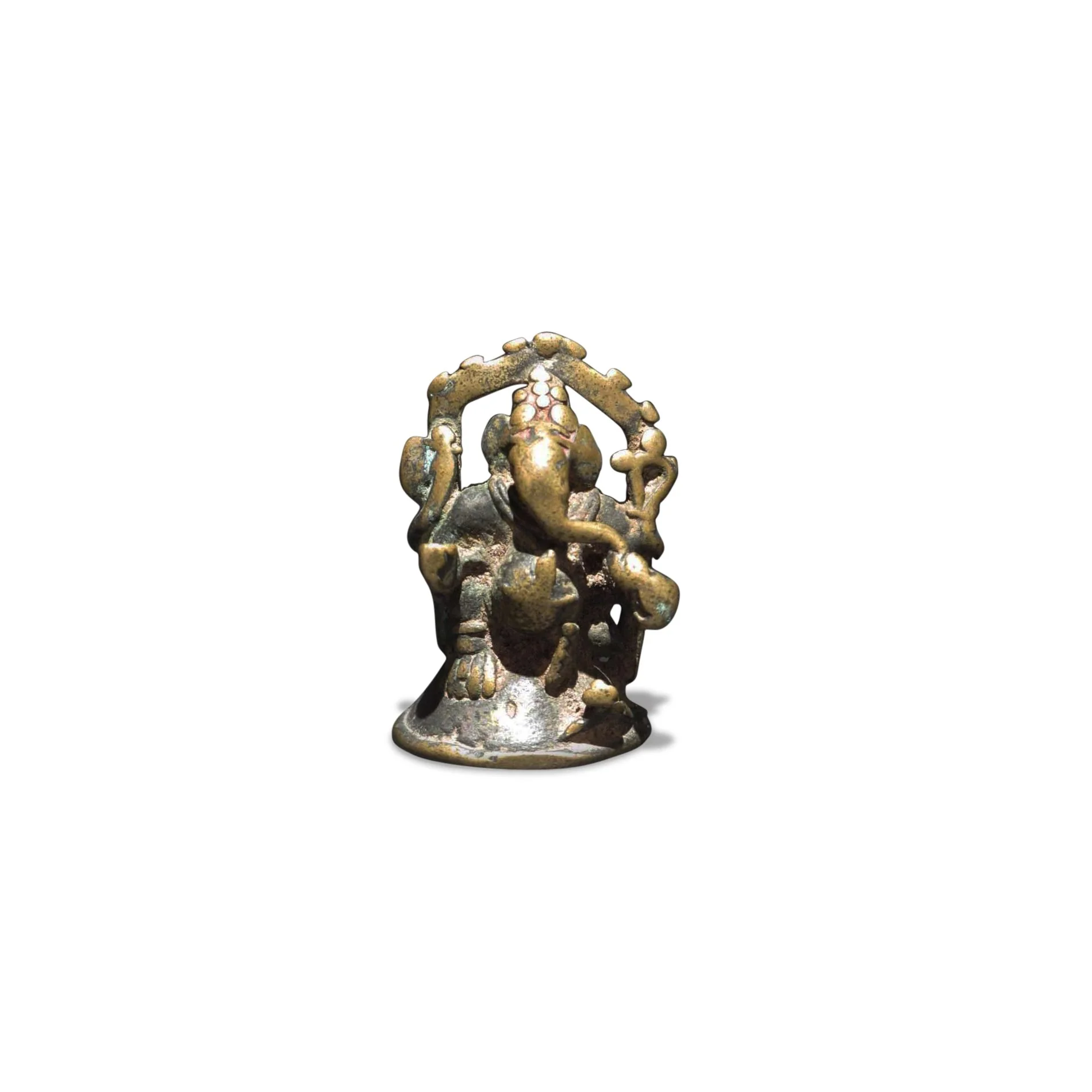
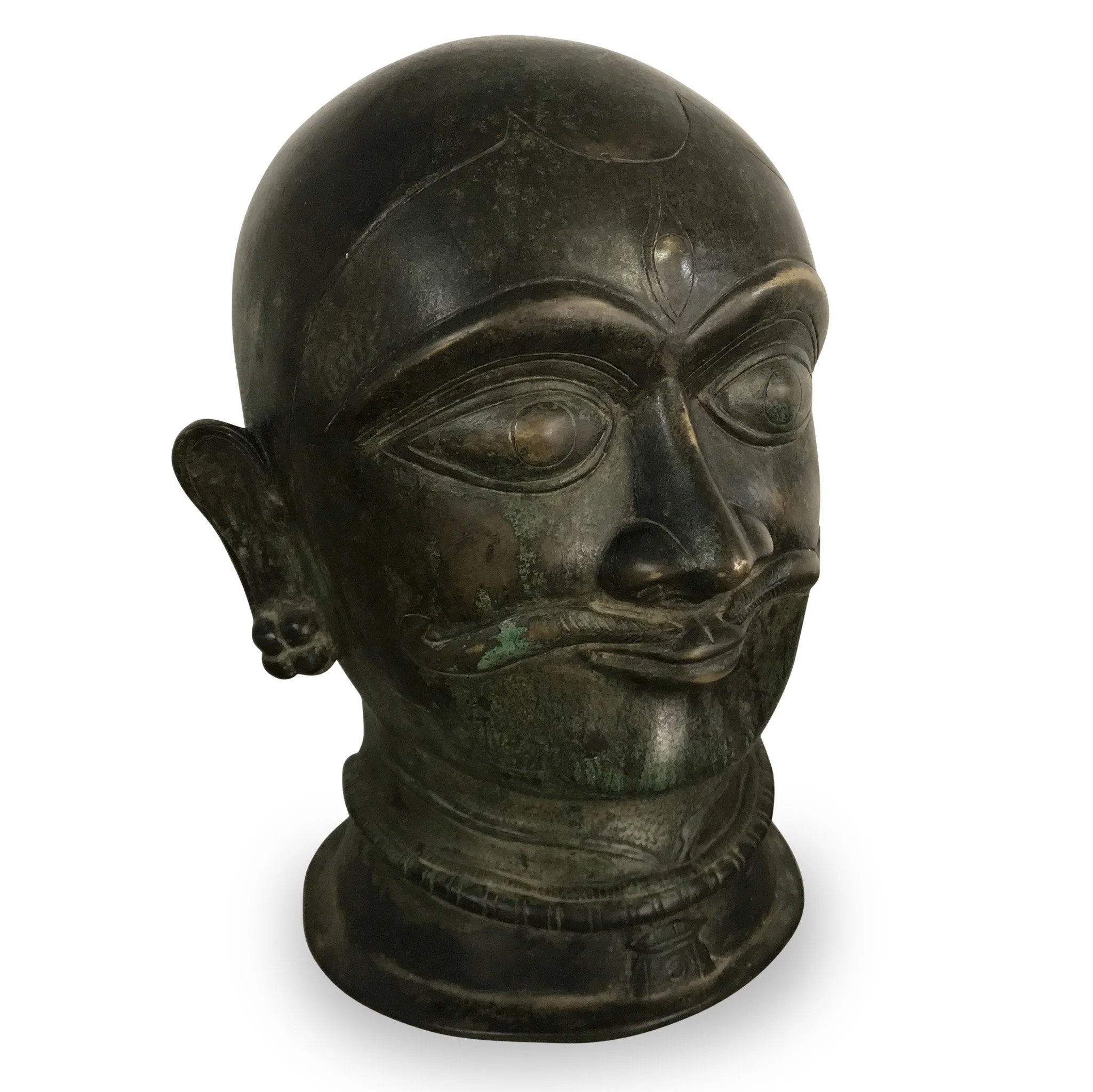
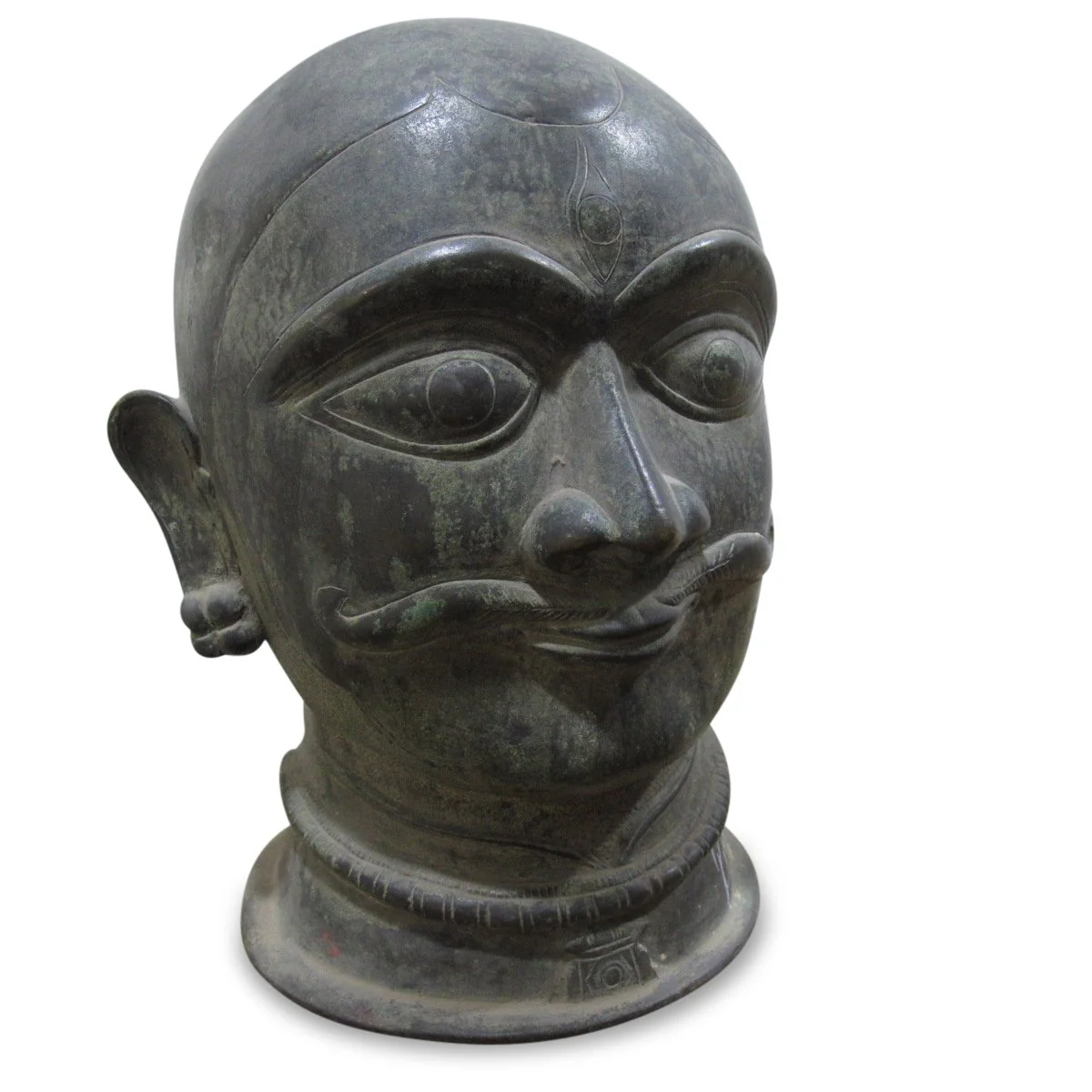
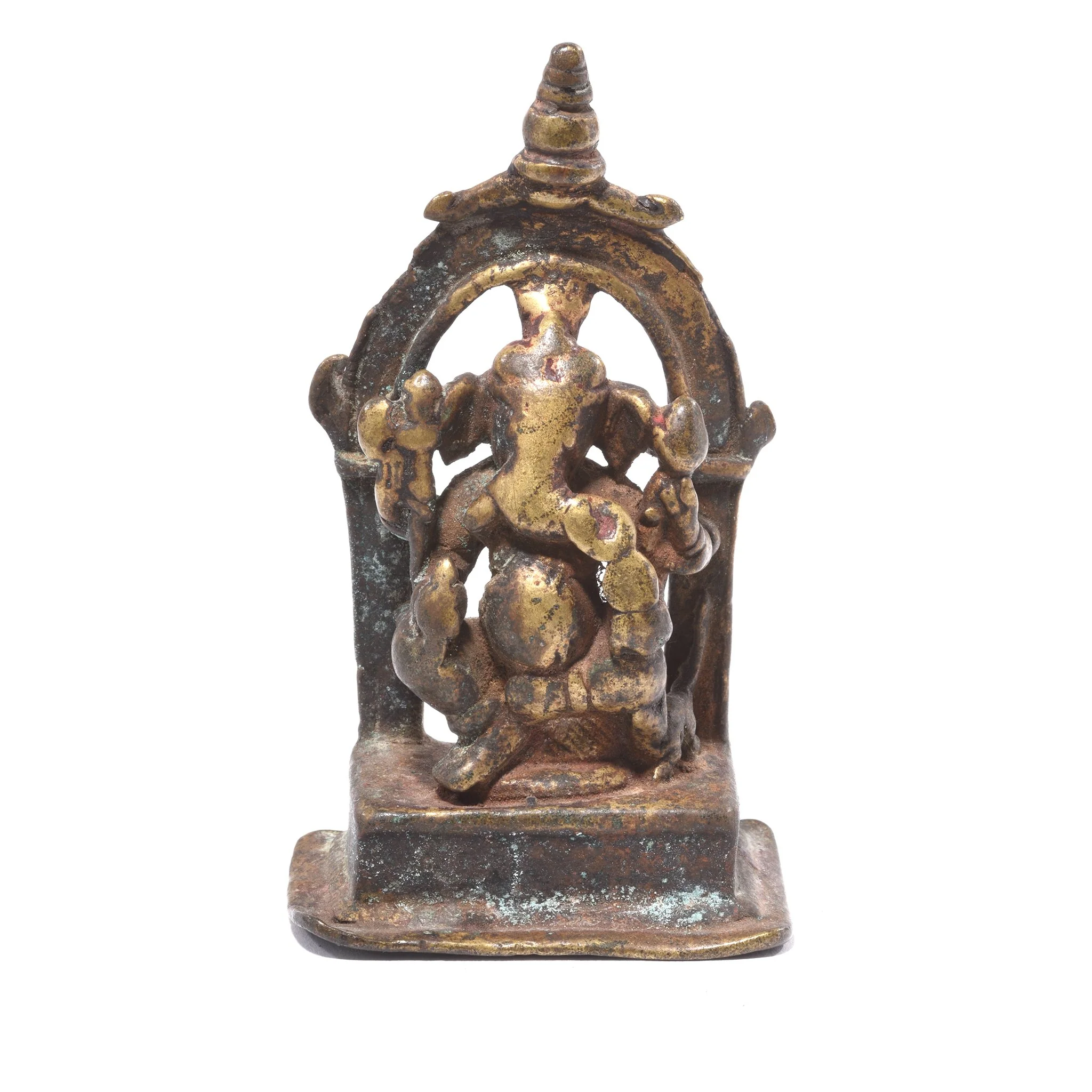
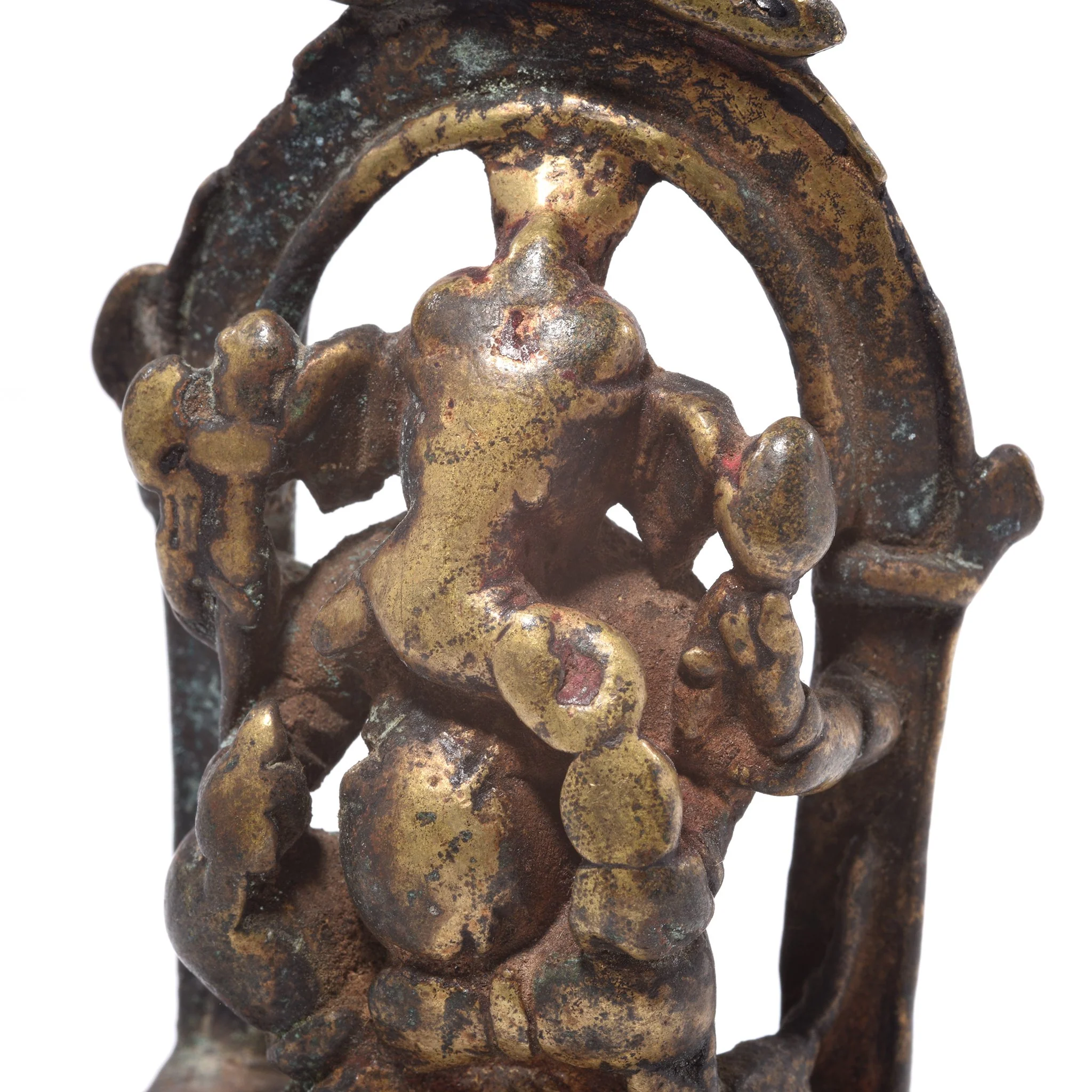
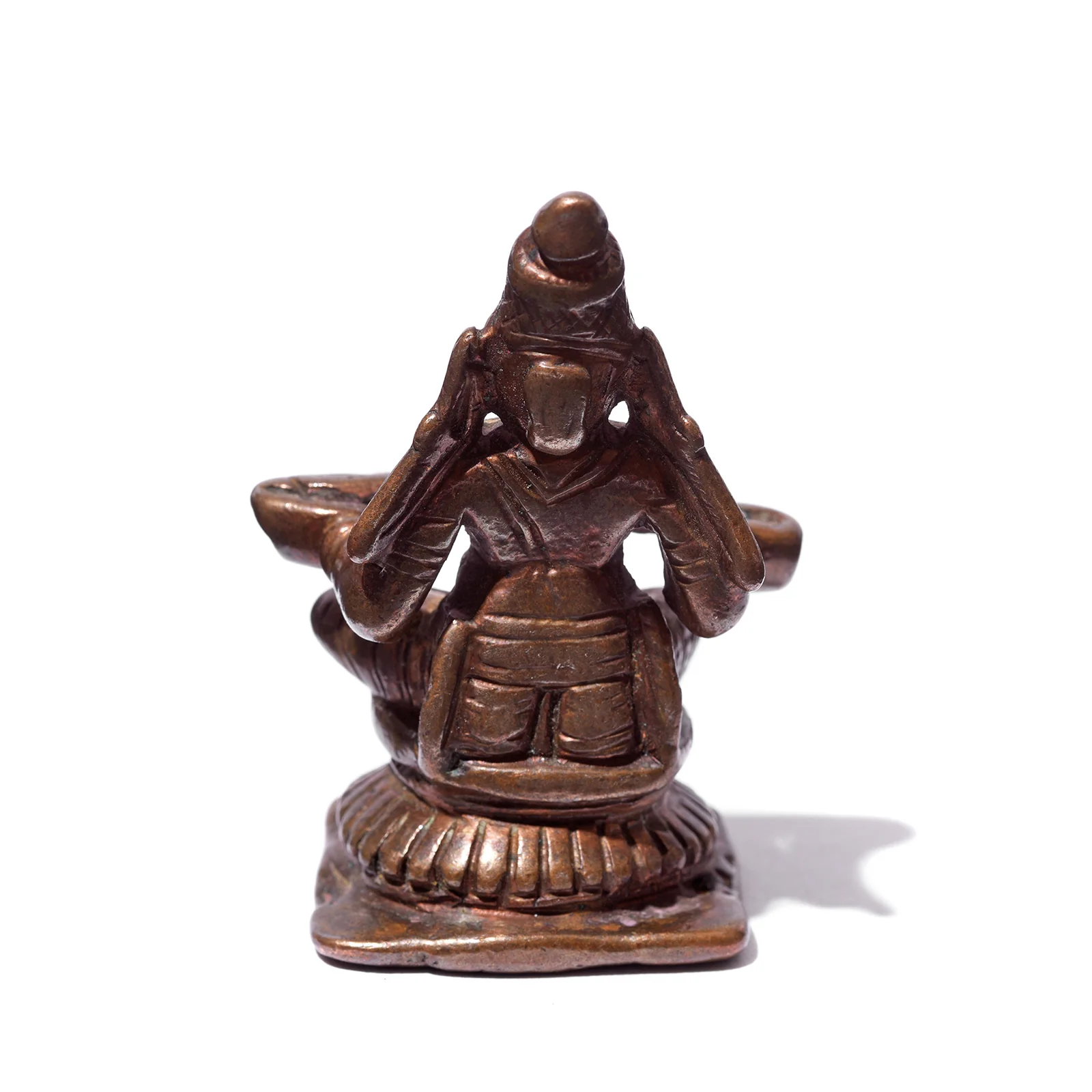
This Indian bronze votive figure of Annapurna is from The Western Deccan Plateau in Central India, probably from the state of Maharashtra. This statue dates to the early 19th century.
Annapurna is revered throughout India and is the benign Hindu goddess of fruitfulness. She is seen here in her typical form sitting with a ladle running from her right hand to left. in hand to serve food to her devotees. In Maharashtra newly wed brides were often presented with a figure of Annapurna with a baby Krishna. Annapurna is sometimes called Annapurni and is consort to Lord Shiva / Śiva.
Statues like these were used in domestic house shrines. Due to heavy rubbing during daily puja (worship), finer details have worn away. The brass used in this casting has a high copper content.
References:
For a similar example see 'India - Village, Tribal, Ritual Art' by Mingei International Museum of Folk Art, page 12.
A similar example can be found in the British Museum collection (acc 1843,0721.17)
More Images
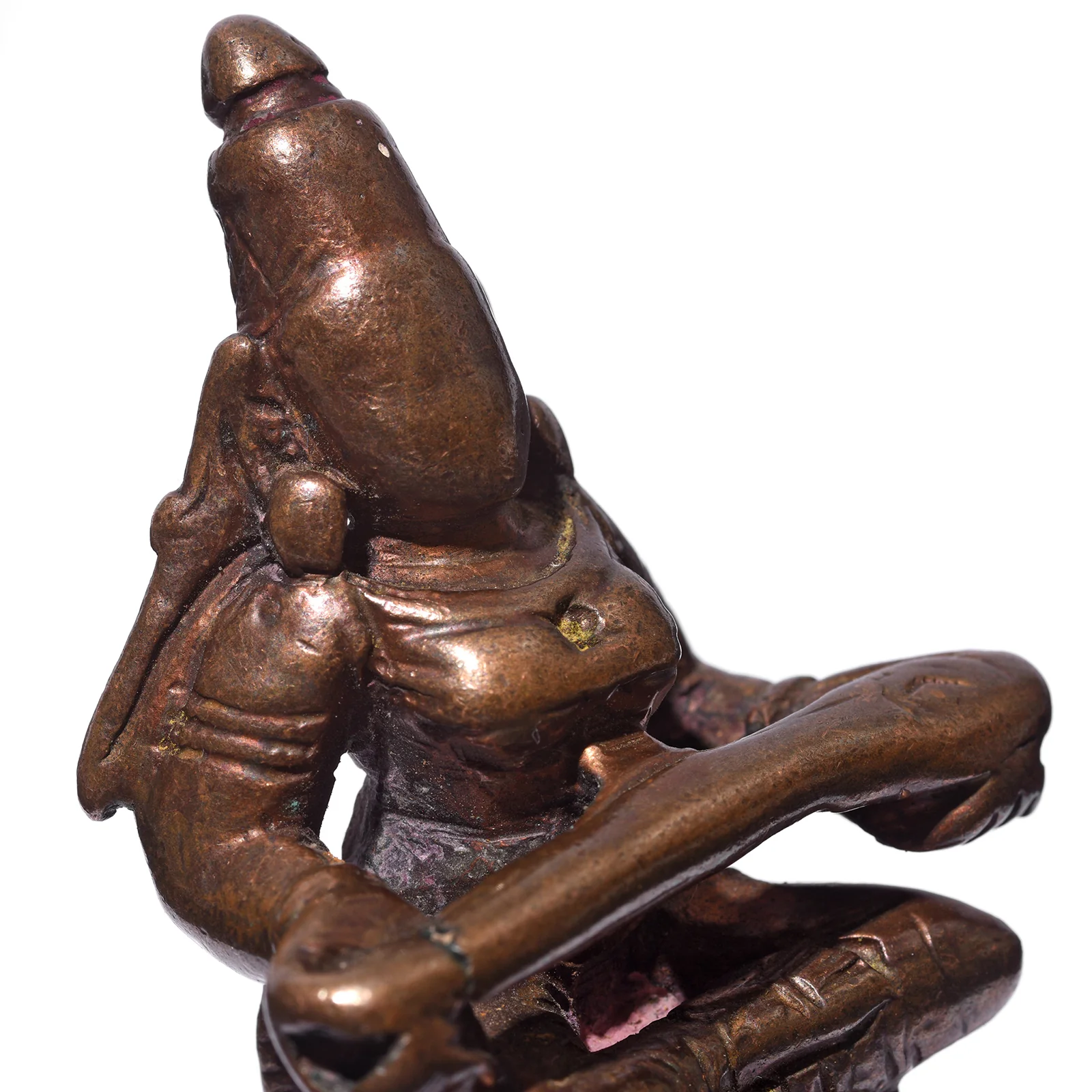
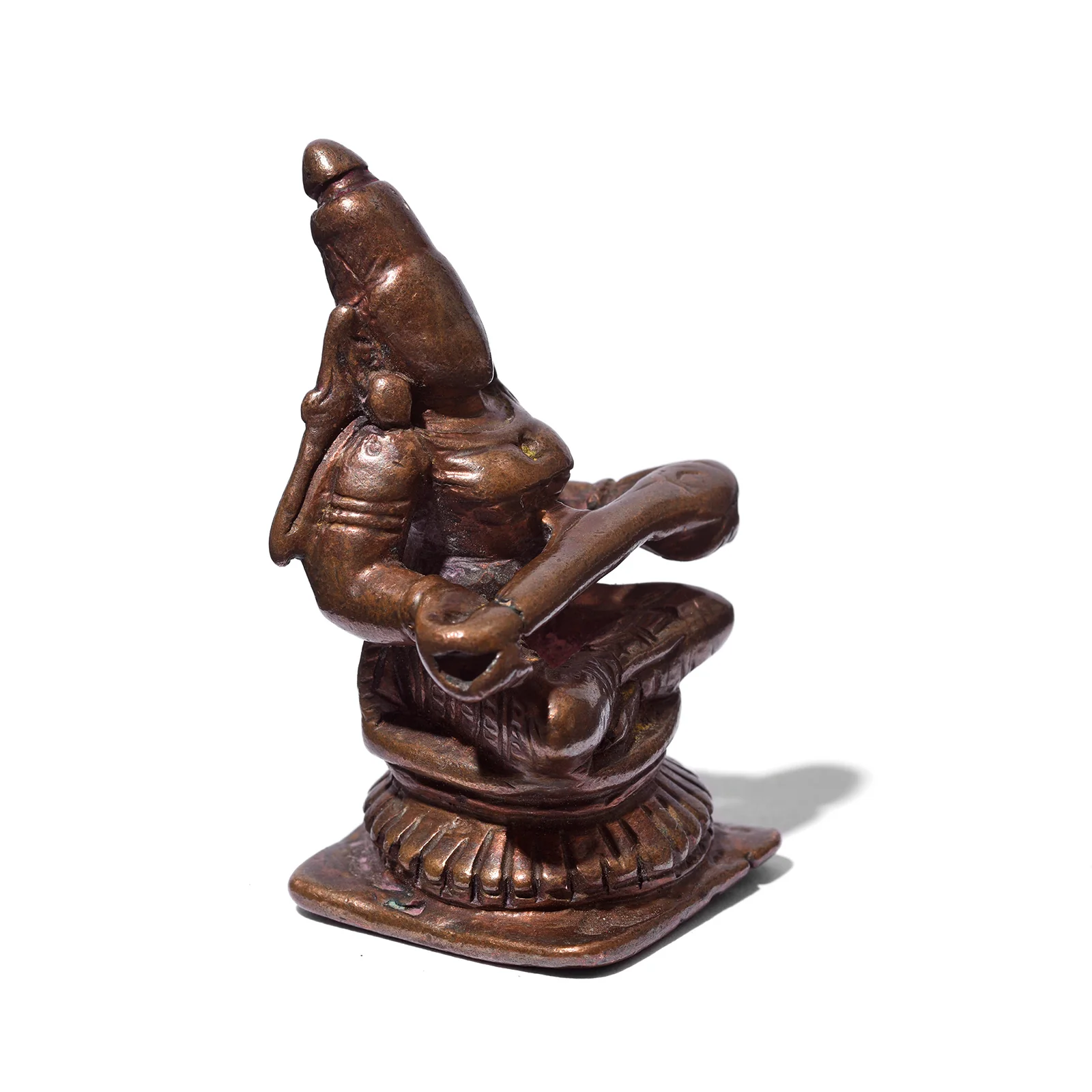
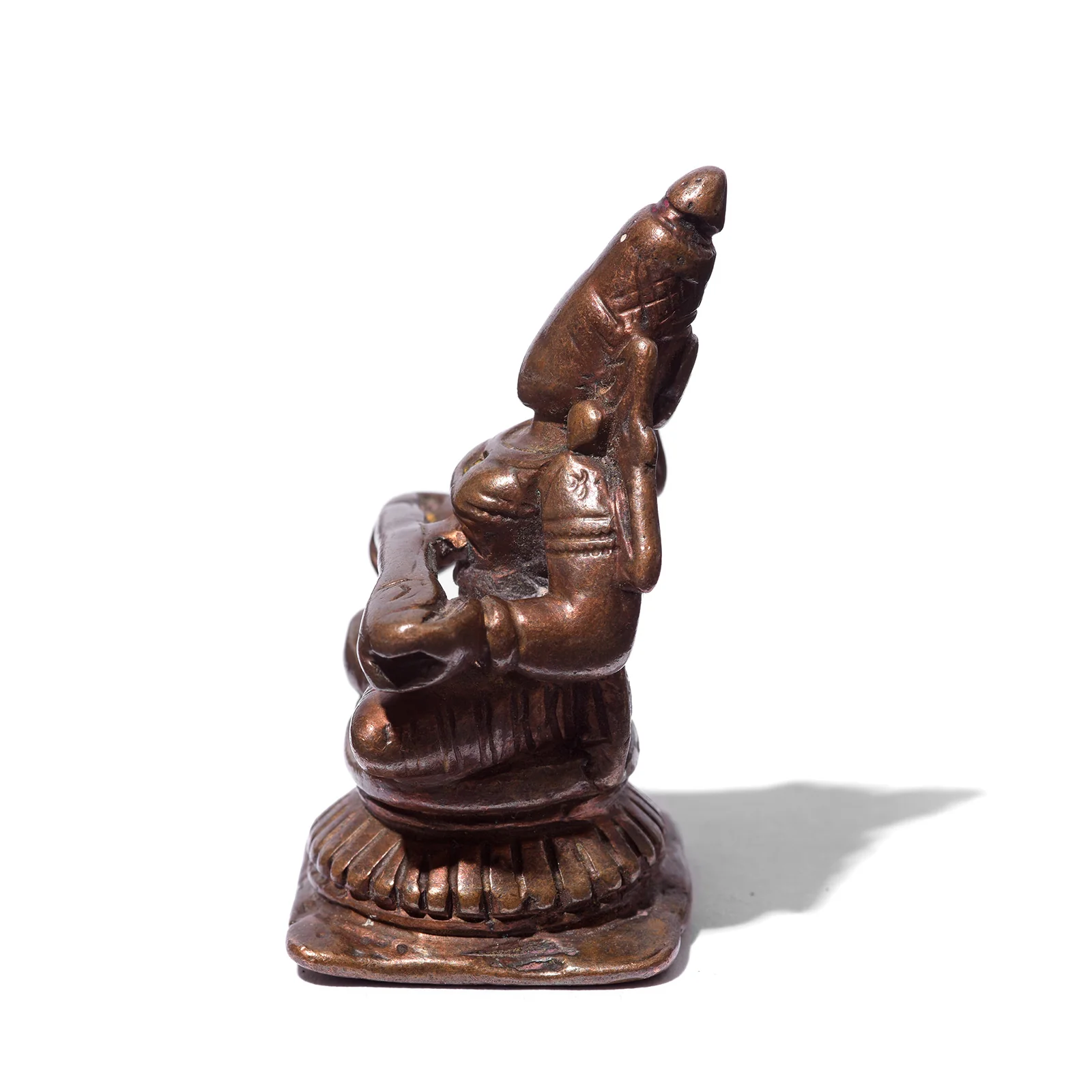
Brass Miniature Votive Statue Of Annapurna - Early 19th Century
This Indian bronze votive figure of Annapurna is from The Western Deccan Plateau in Central India, probably from the state of Maharashtra. This statue dates to the early 19th century.
Annapurna is revered throughout India and is the benign Hindu goddess of fruitfulness. She is seen here in her typical form sitting with a ladle running from her right hand to left. in hand to serve food to her devotees. In Maharashtra newly wed brides were often presented with a figure of Annapurna with a baby Krishna. Annapurna is sometimes called Annapurni and is consort to Lord Shiva / Śiva.
Statues like these were used in domestic house shrines. Due to heavy rubbing during daily puja (worship), finer details have worn away. The brass used in this casting has a high copper content.
References:
For a similar example see 'India - Village, Tribal, Ritual Art' by Mingei International Museum of Folk Art, page 12.
A similar example can be found in the British Museum collection (acc 1843,0721.17)
Product Information
Product Information
Shipping & Returns
Shipping & Returns
Description
This Indian bronze votive figure of Annapurna is from The Western Deccan Plateau in Central India, probably from the state of Maharashtra. This statue dates to the early 19th century.
Annapurna is revered throughout India and is the benign Hindu goddess of fruitfulness. She is seen here in her typical form sitting with a ladle running from her right hand to left. in hand to serve food to her devotees. In Maharashtra newly wed brides were often presented with a figure of Annapurna with a baby Krishna. Annapurna is sometimes called Annapurni and is consort to Lord Shiva / Śiva.
Statues like these were used in domestic house shrines. Due to heavy rubbing during daily puja (worship), finer details have worn away. The brass used in this casting has a high copper content.
References:
For a similar example see 'India - Village, Tribal, Ritual Art' by Mingei International Museum of Folk Art, page 12.
A similar example can be found in the British Museum collection (acc 1843,0721.17)