
Marwari Kharal - Opium Grinder - 19th Century
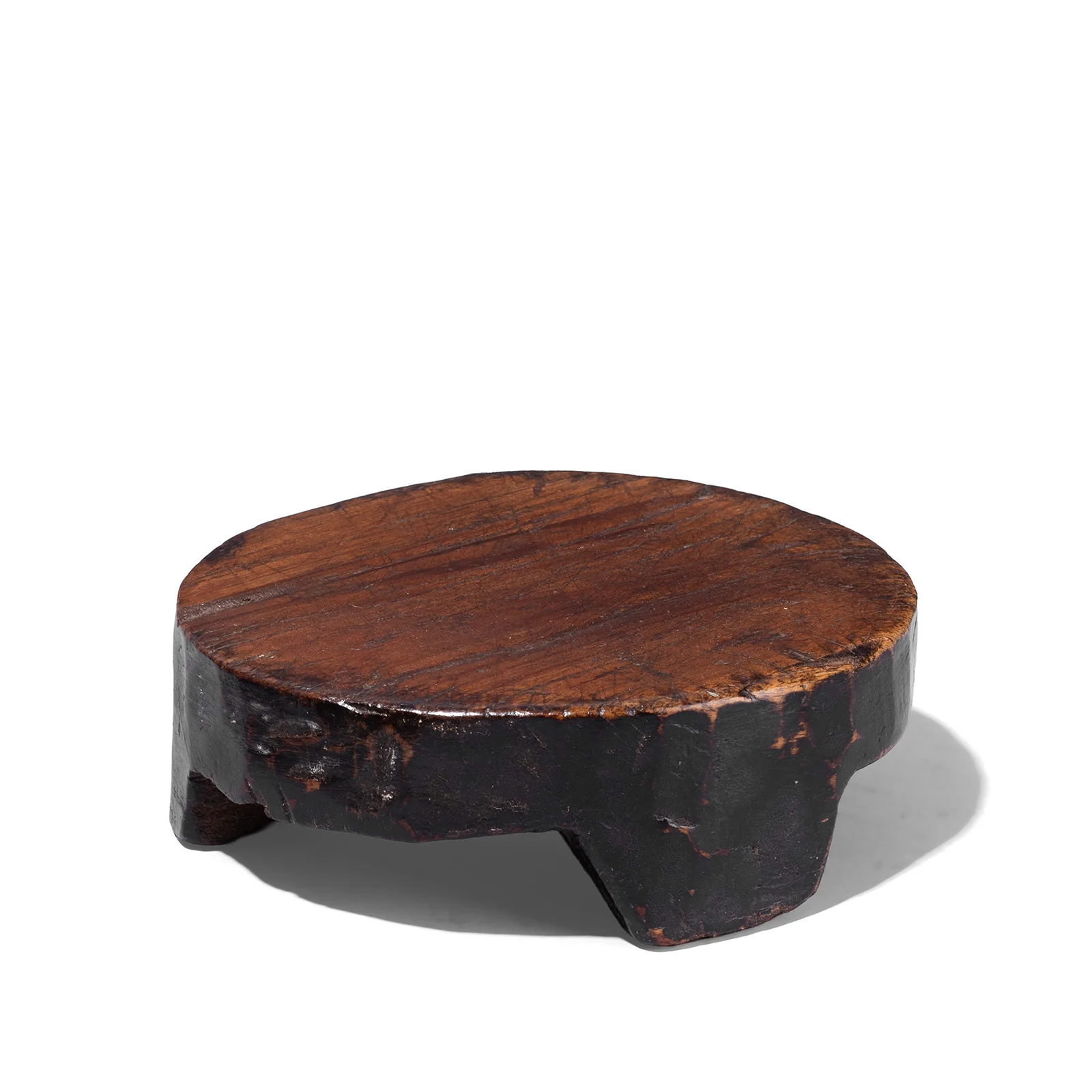
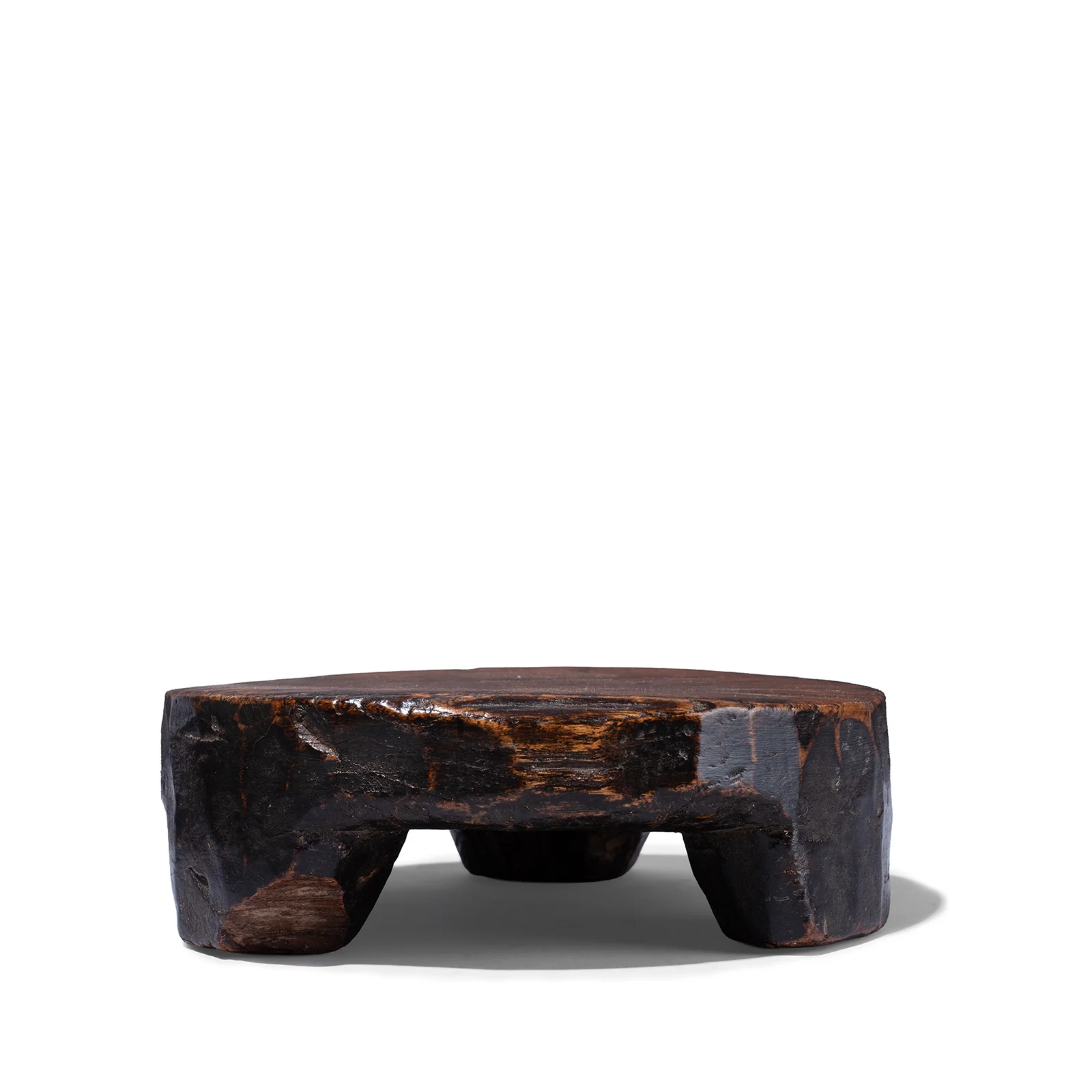
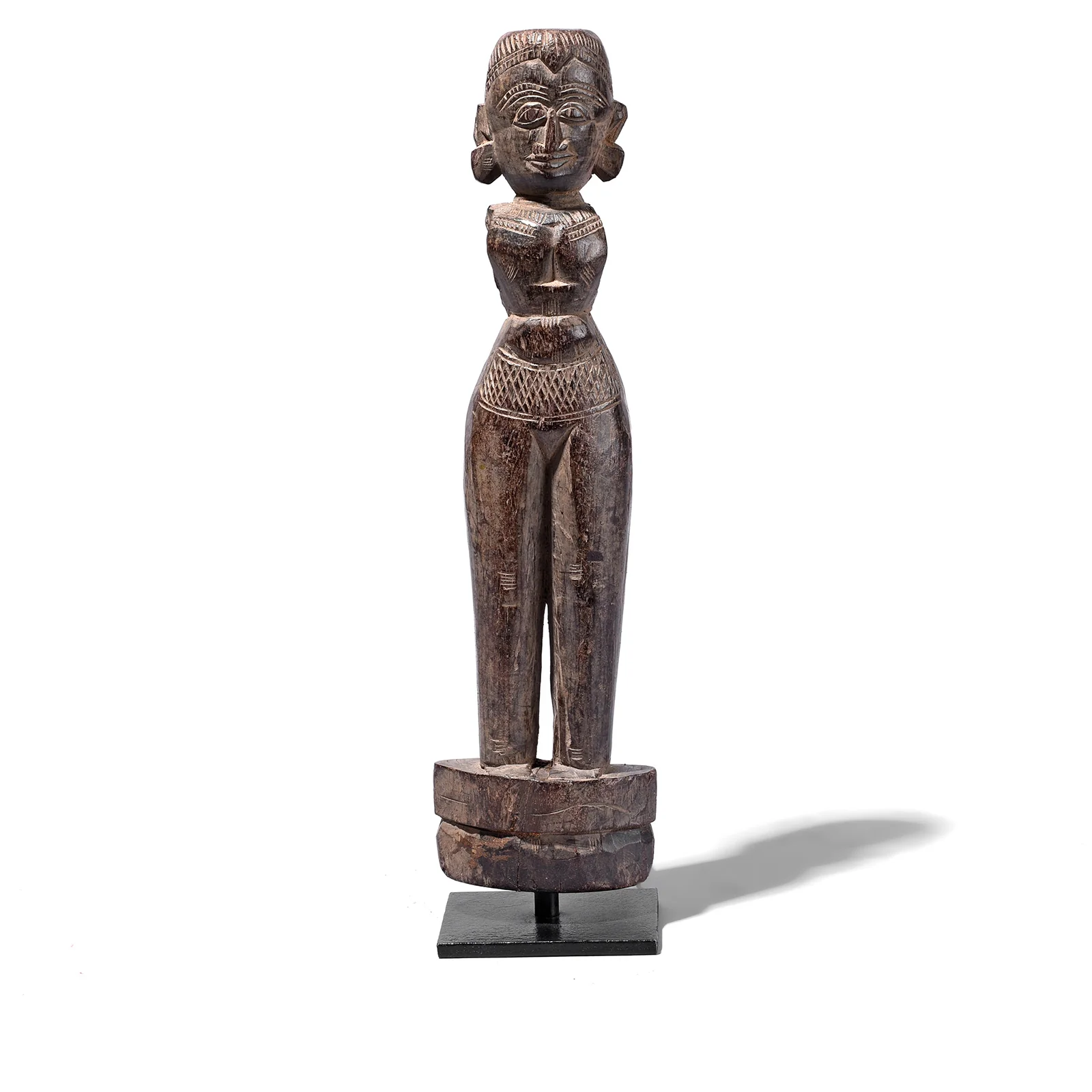
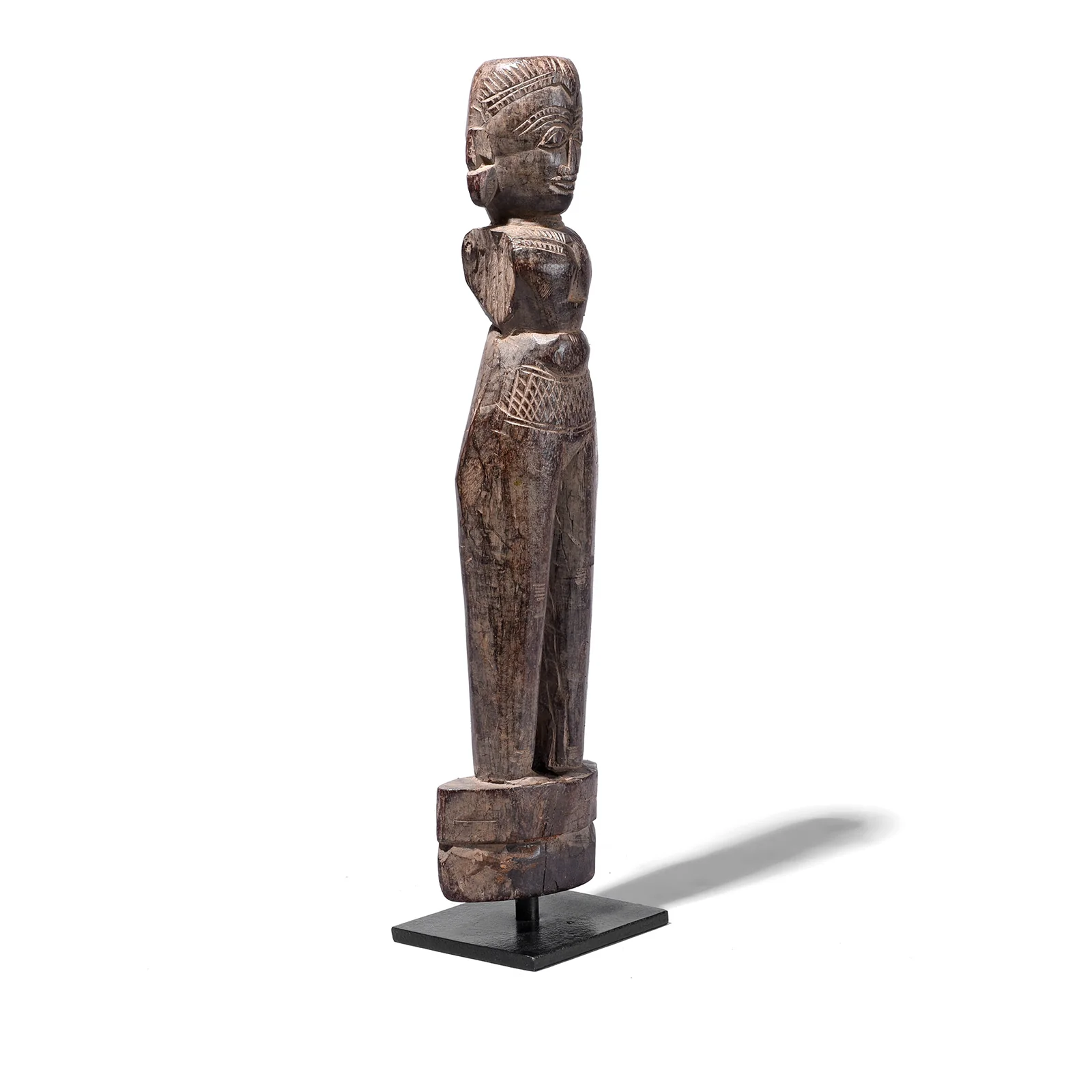
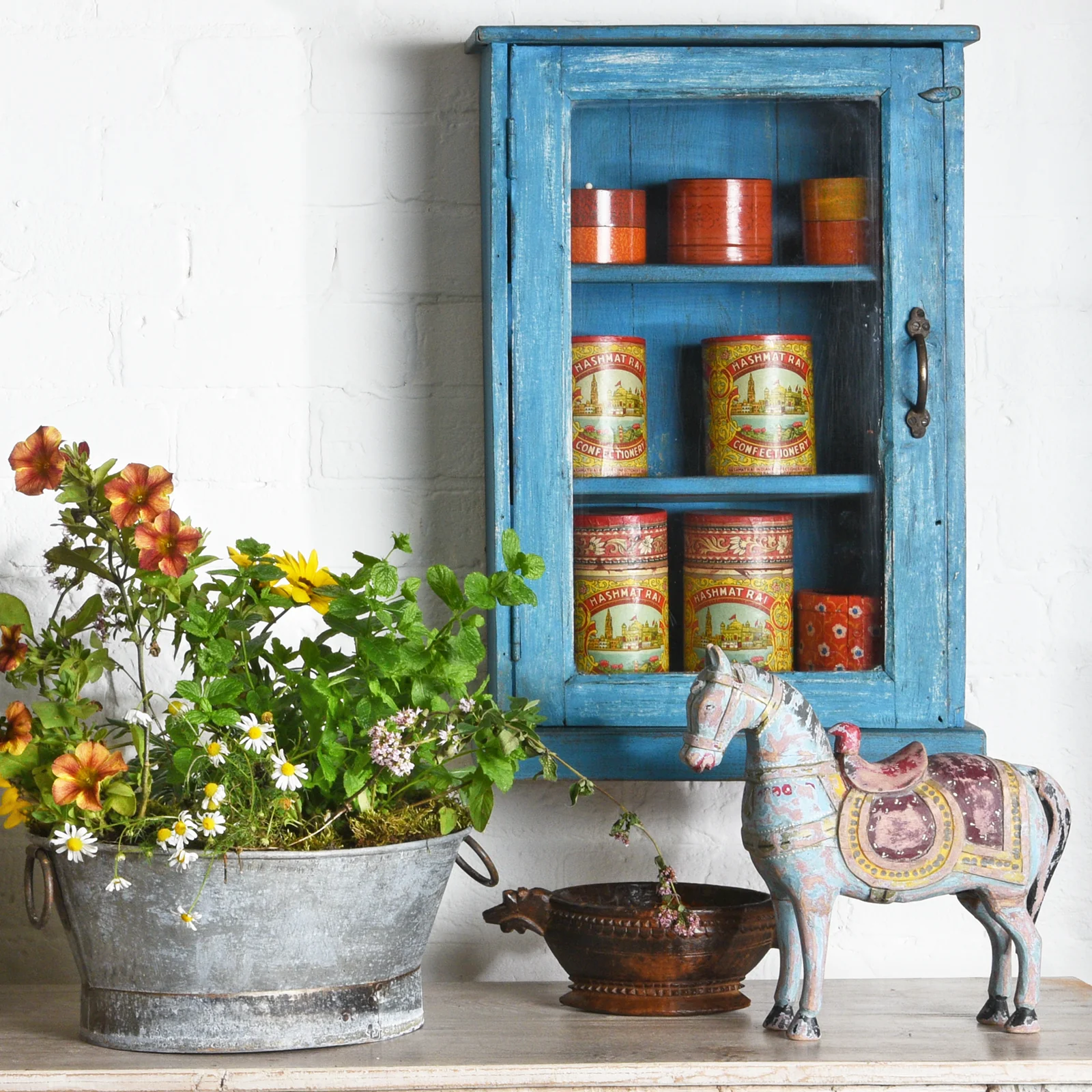
This Indian opium kharal dates to the 19th century. Kharals were used for grinding opium which was then mixed with water & strained through a retort before drinking. This particular kharal features a naively carved elephant tiger for a handle at one end. The pouring end features a carved spout. It is constructed from rhoeda wood. A lovely feature of this is the hole in the bottom which shows its heavy use.
Opium boxes and opium paraphernalia are excellent collectibles. It would make either a unique decorative ornament or a practical desk tidy for keys and change etc.
A similar example can be seen in "Folk Art & Culture of Gujarat: A Guide to the Collection of the Shreyas Folk Museum of Gujarat" by Jyotindra Jain - figure 44. Other examples can be seen in the Sanskriti Museum of Everyday Art in New Delhi, India.
From India
UK Delivery Charge - except Highlands & Islands £7.50
More delivery options available at checkout
More Images


Marwari Kharal - Opium Grinder - 19th Century
This Indian opium kharal dates to the 19th century. Kharals were used for grinding opium which was then mixed with water & strained through a retort before drinking. This particular kharal features a naively carved elephant tiger for a handle at one end. The pouring end features a carved spout. It is constructed from rhoeda wood. A lovely feature of this is the hole in the bottom which shows its heavy use.
Opium boxes and opium paraphernalia are excellent collectibles. It would make either a unique decorative ornament or a practical desk tidy for keys and change etc.
A similar example can be seen in "Folk Art & Culture of Gujarat: A Guide to the Collection of the Shreyas Folk Museum of Gujarat" by Jyotindra Jain - figure 44. Other examples can be seen in the Sanskriti Museum of Everyday Art in New Delhi, India.
From India
UK Delivery Charge - except Highlands & Islands £7.50
More delivery options available at checkout
Product Information
Product Information
Shipping & Returns
Shipping & Returns
Description
This Indian opium kharal dates to the 19th century. Kharals were used for grinding opium which was then mixed with water & strained through a retort before drinking. This particular kharal features a naively carved elephant tiger for a handle at one end. The pouring end features a carved spout. It is constructed from rhoeda wood. A lovely feature of this is the hole in the bottom which shows its heavy use.
Opium boxes and opium paraphernalia are excellent collectibles. It would make either a unique decorative ornament or a practical desk tidy for keys and change etc.
A similar example can be seen in "Folk Art & Culture of Gujarat: A Guide to the Collection of the Shreyas Folk Museum of Gujarat" by Jyotindra Jain - figure 44. Other examples can be seen in the Sanskriti Museum of Everyday Art in New Delhi, India.
From India
UK Delivery Charge - except Highlands & Islands £7.50
More delivery options available at checkout