Red Elm Altar Table From Jiangsu - 19th Century
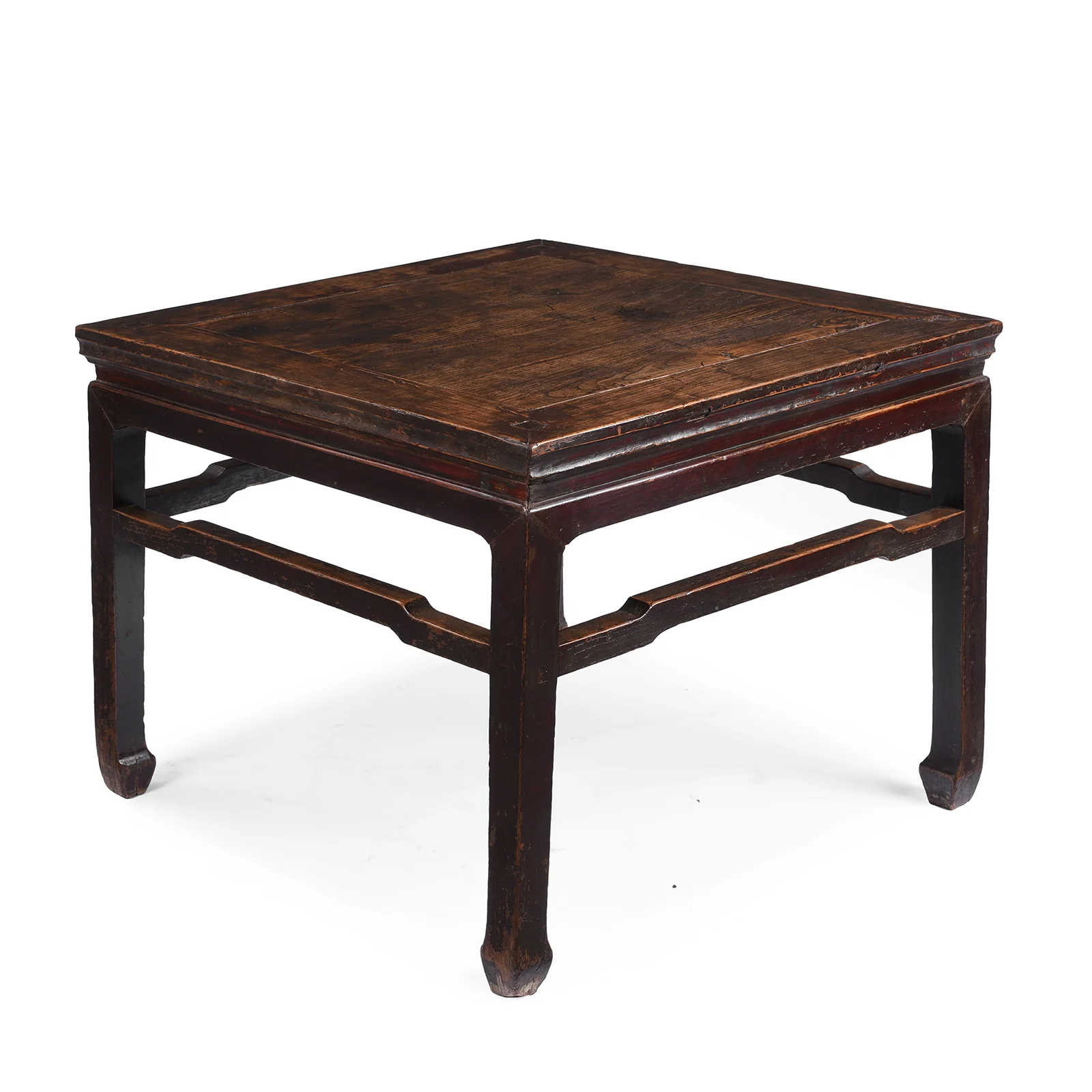
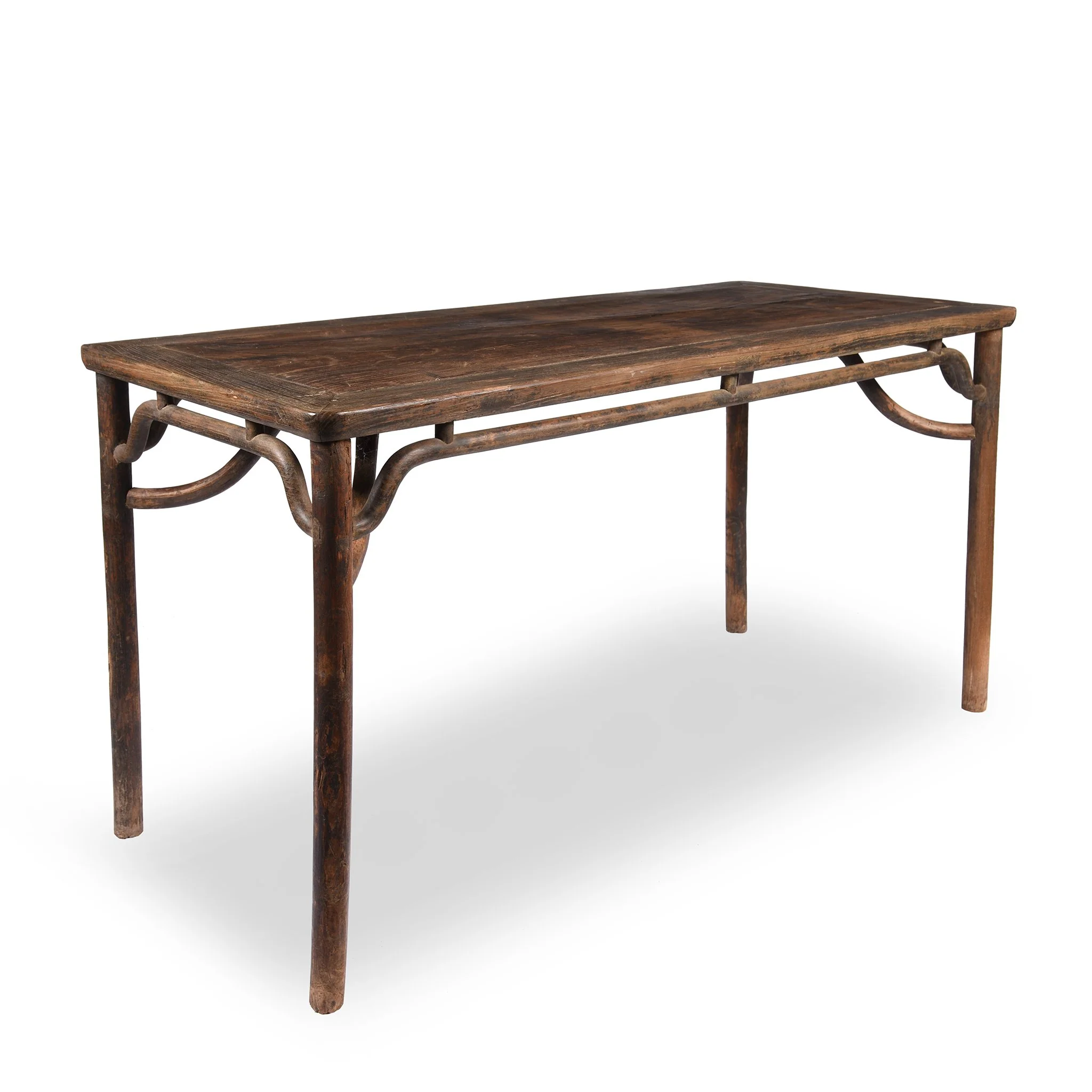
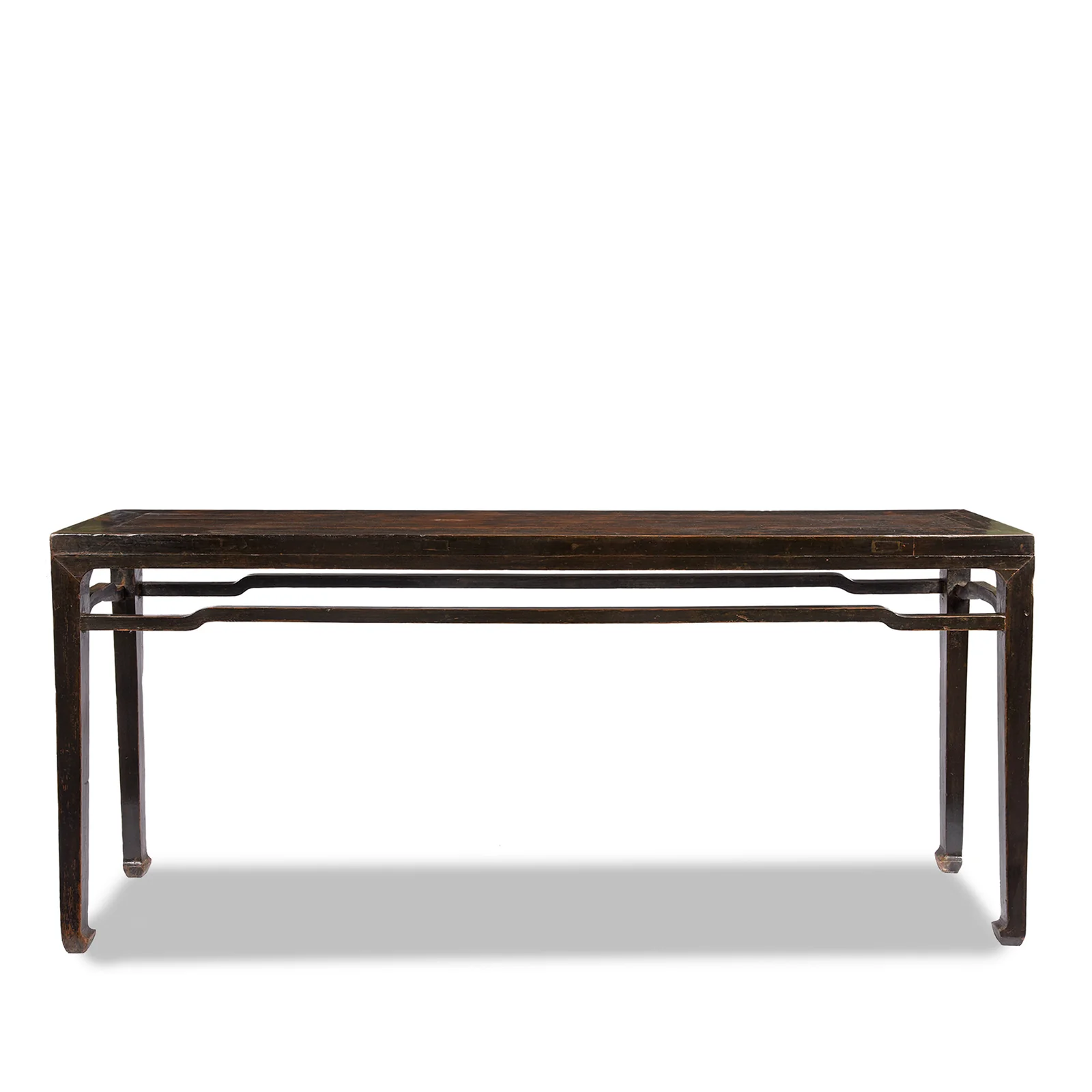
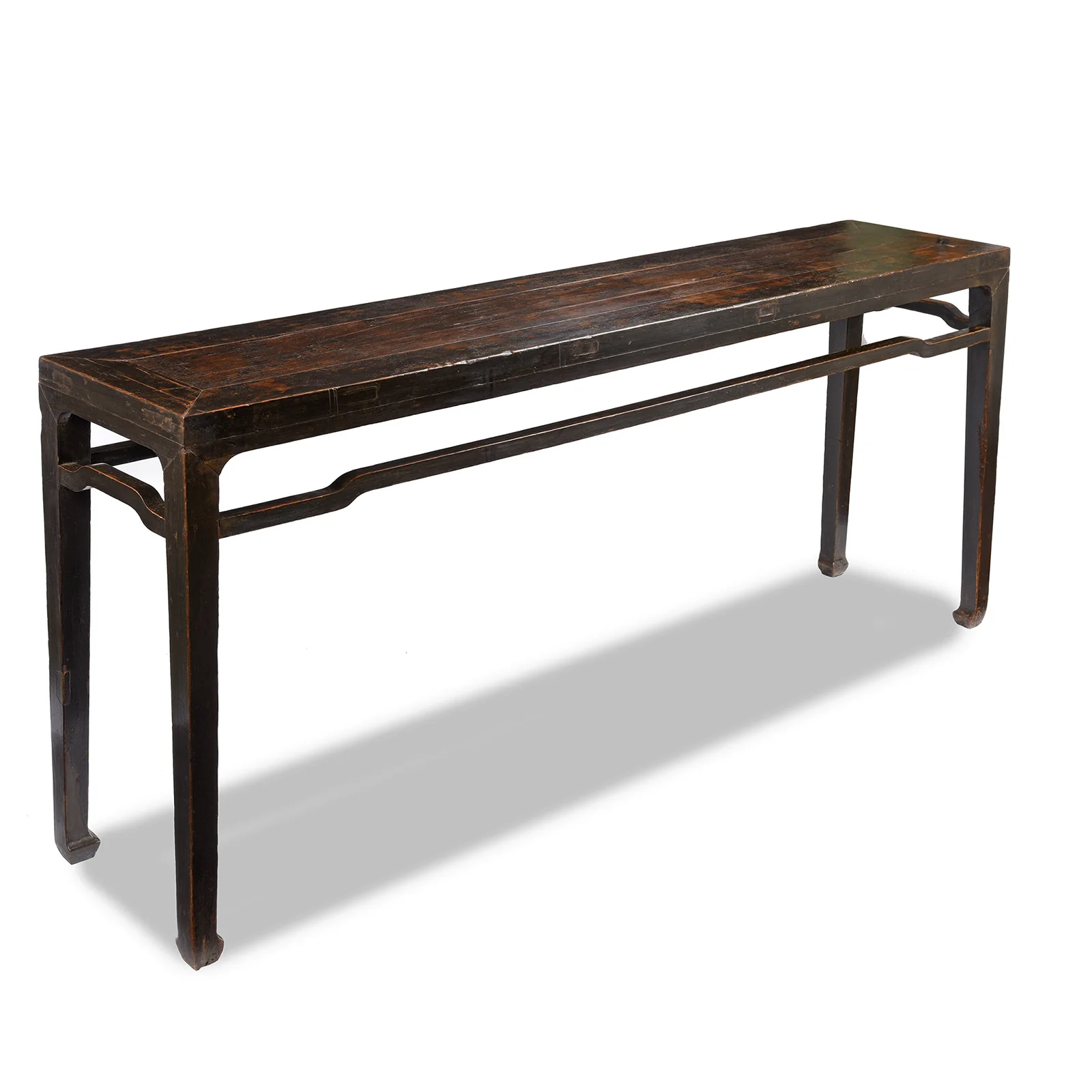
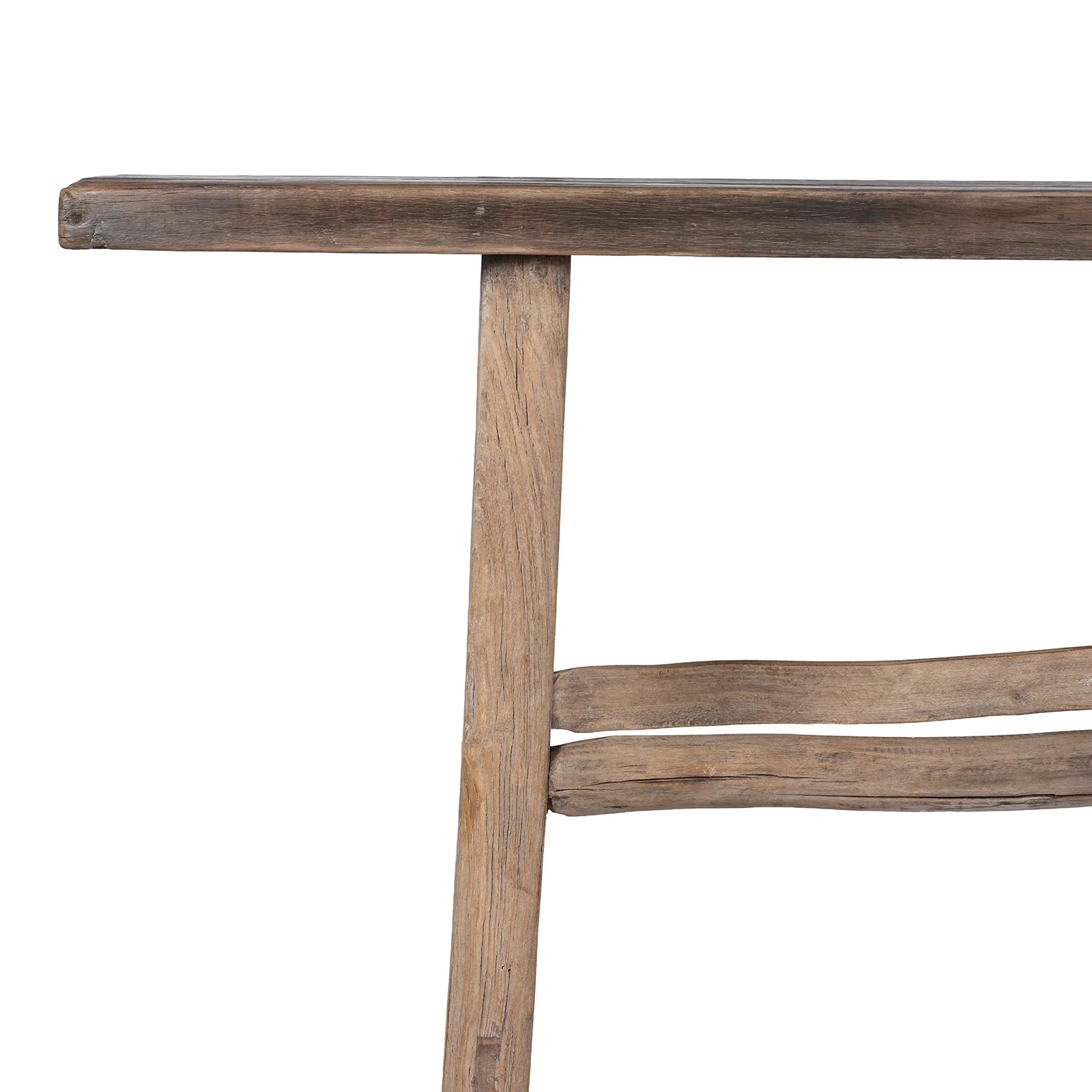
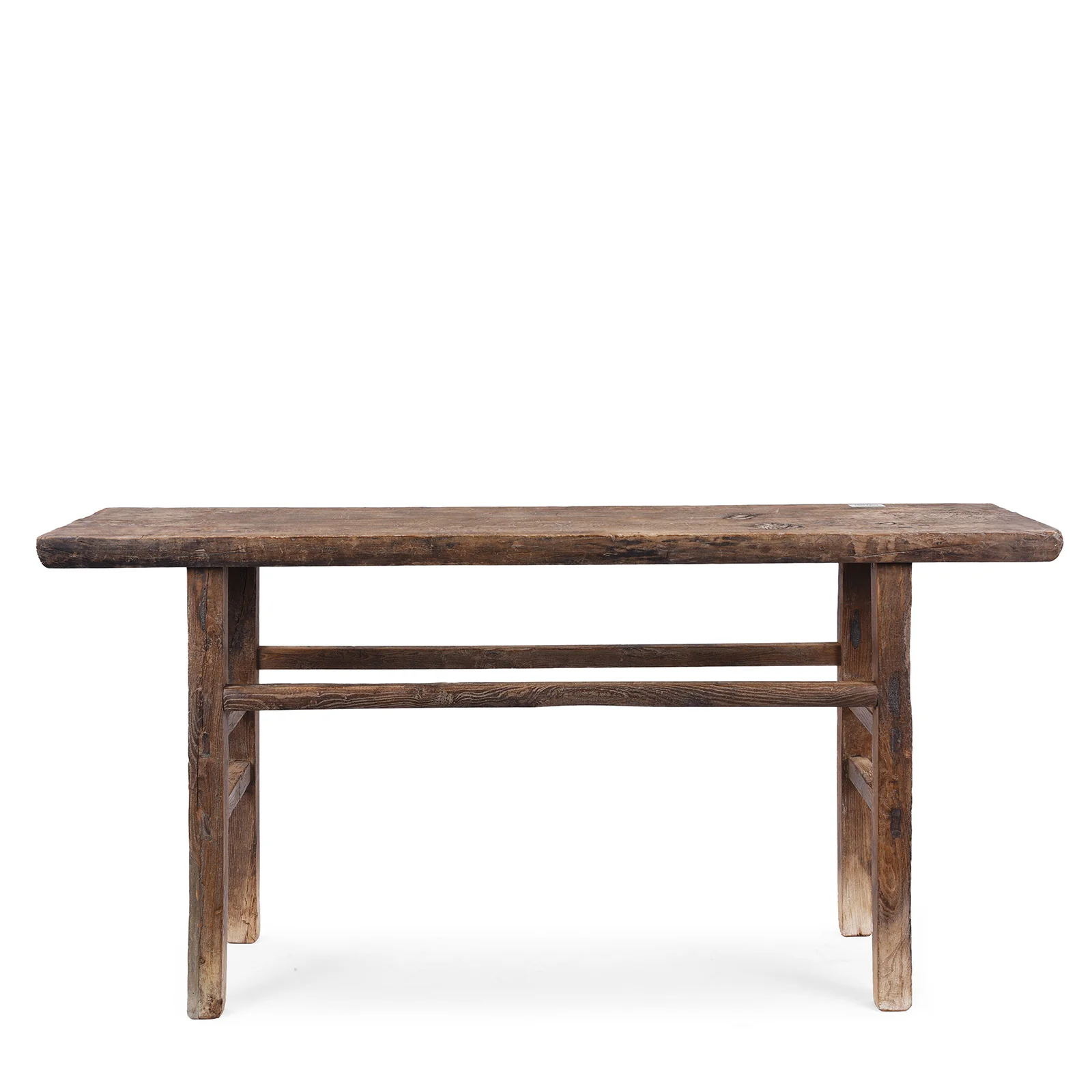
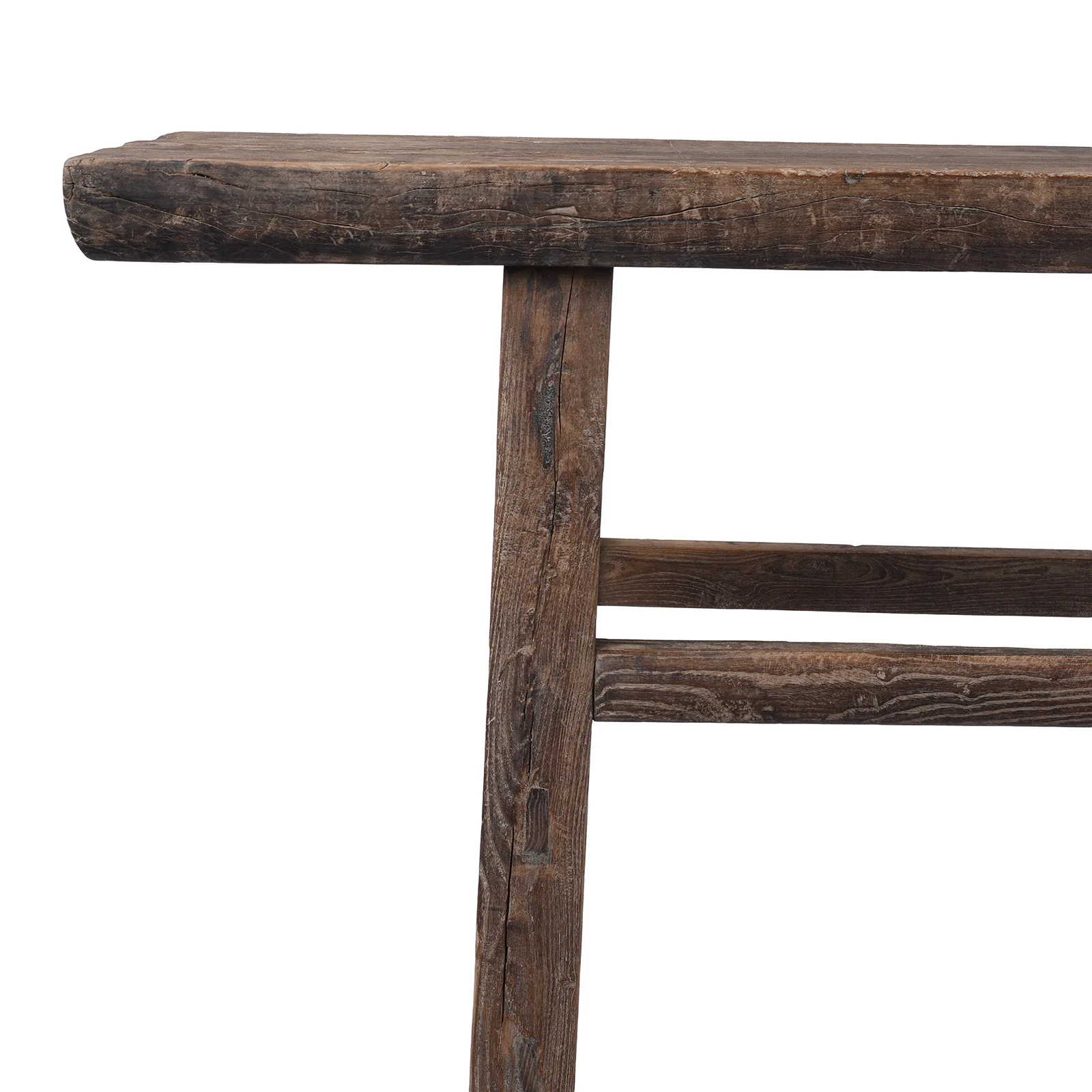
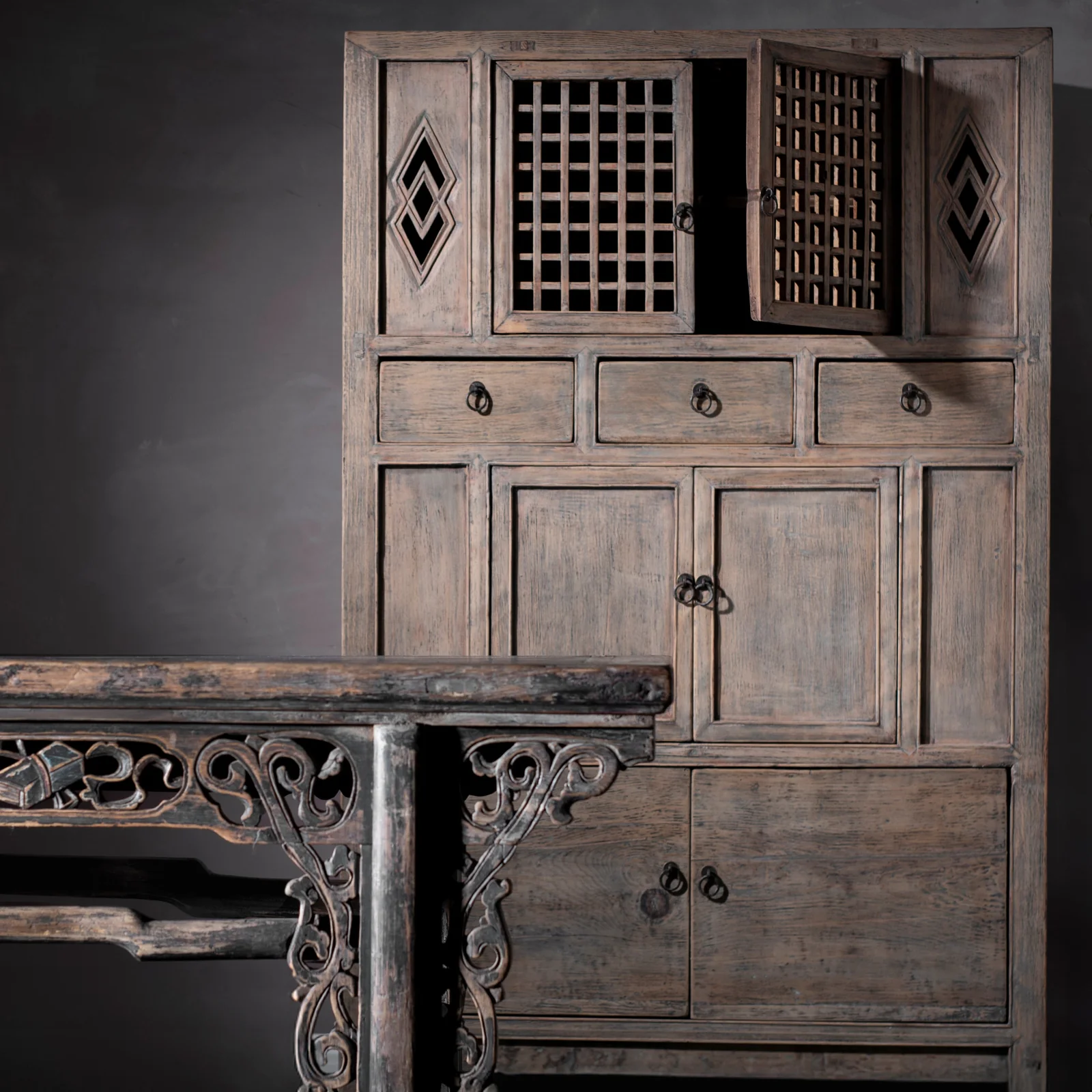
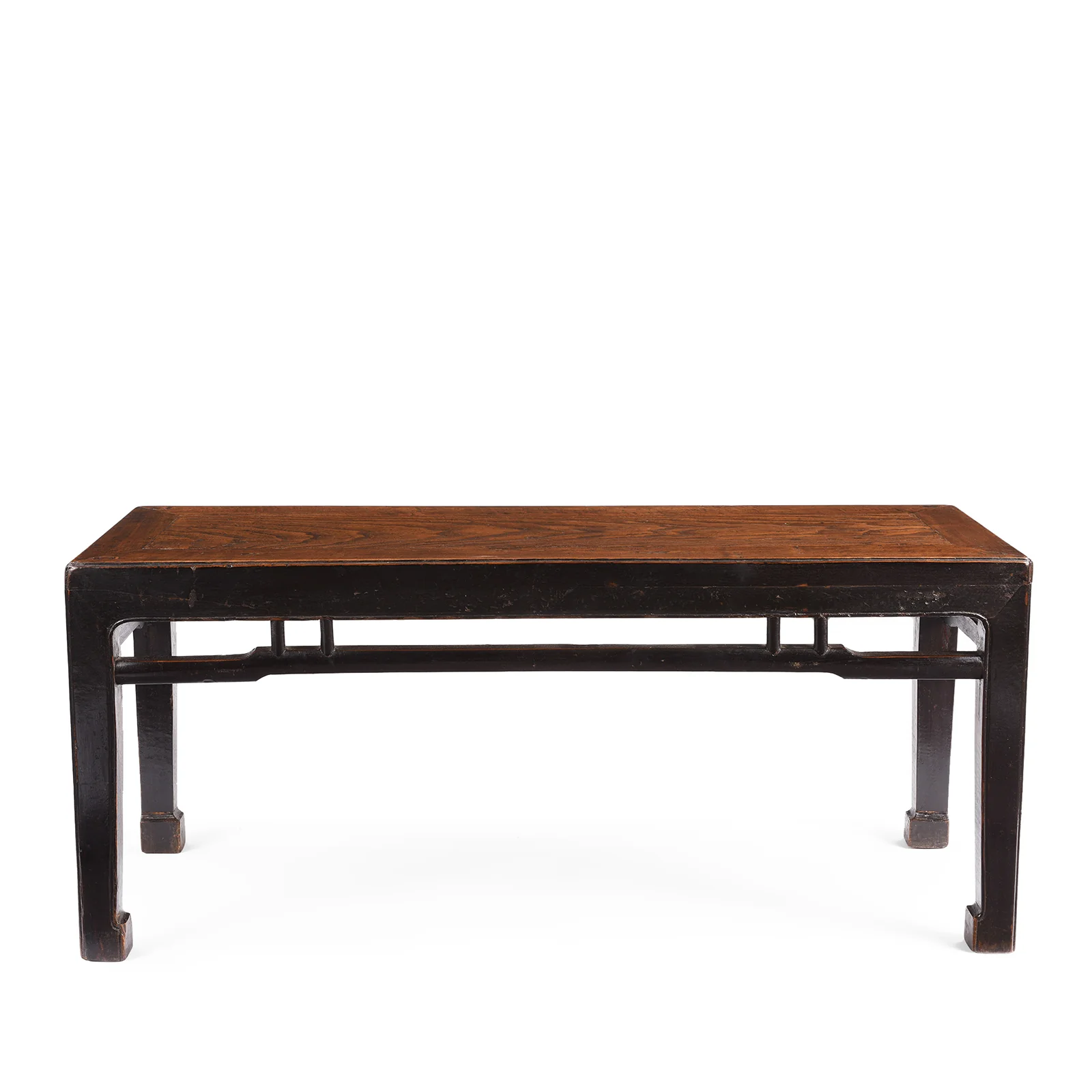
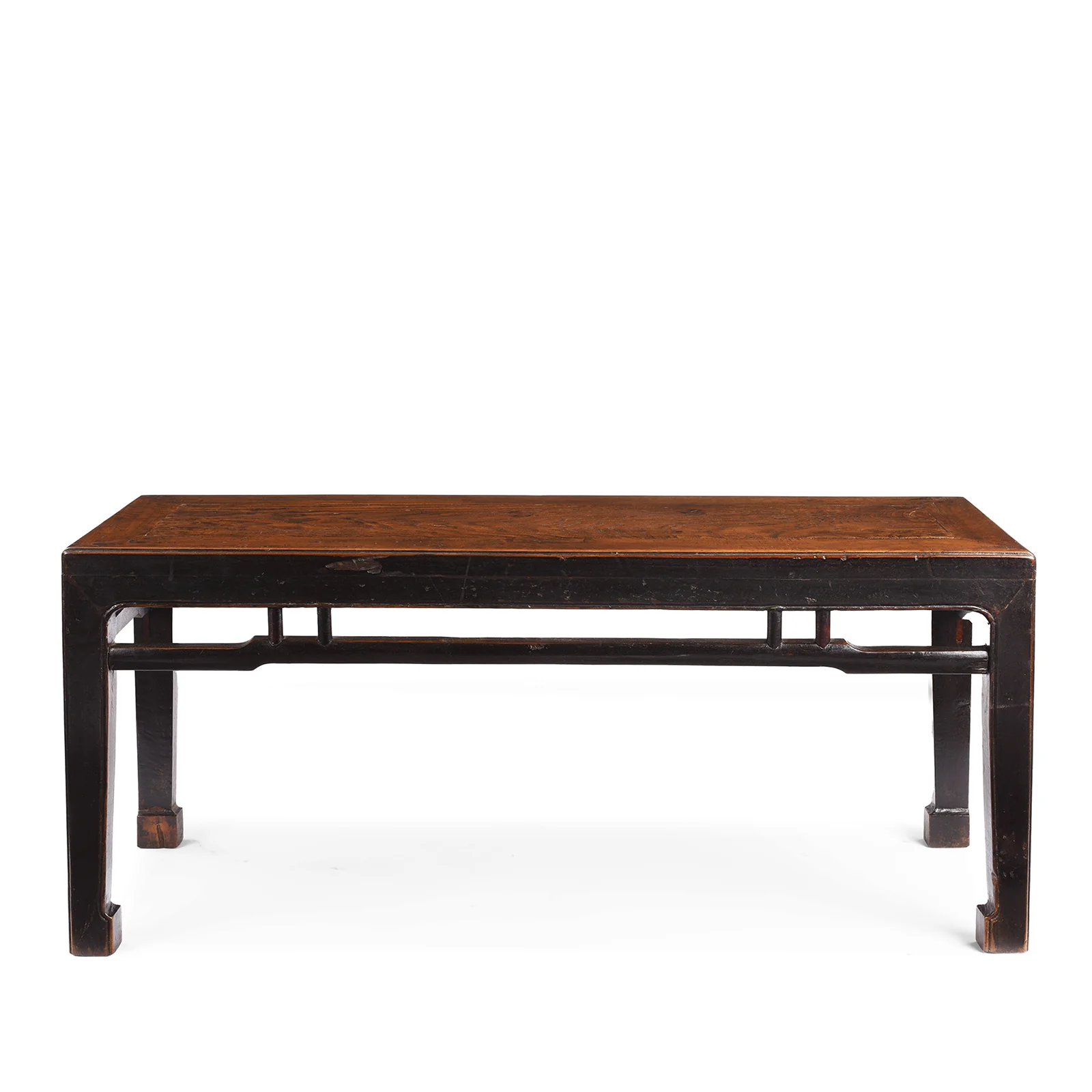
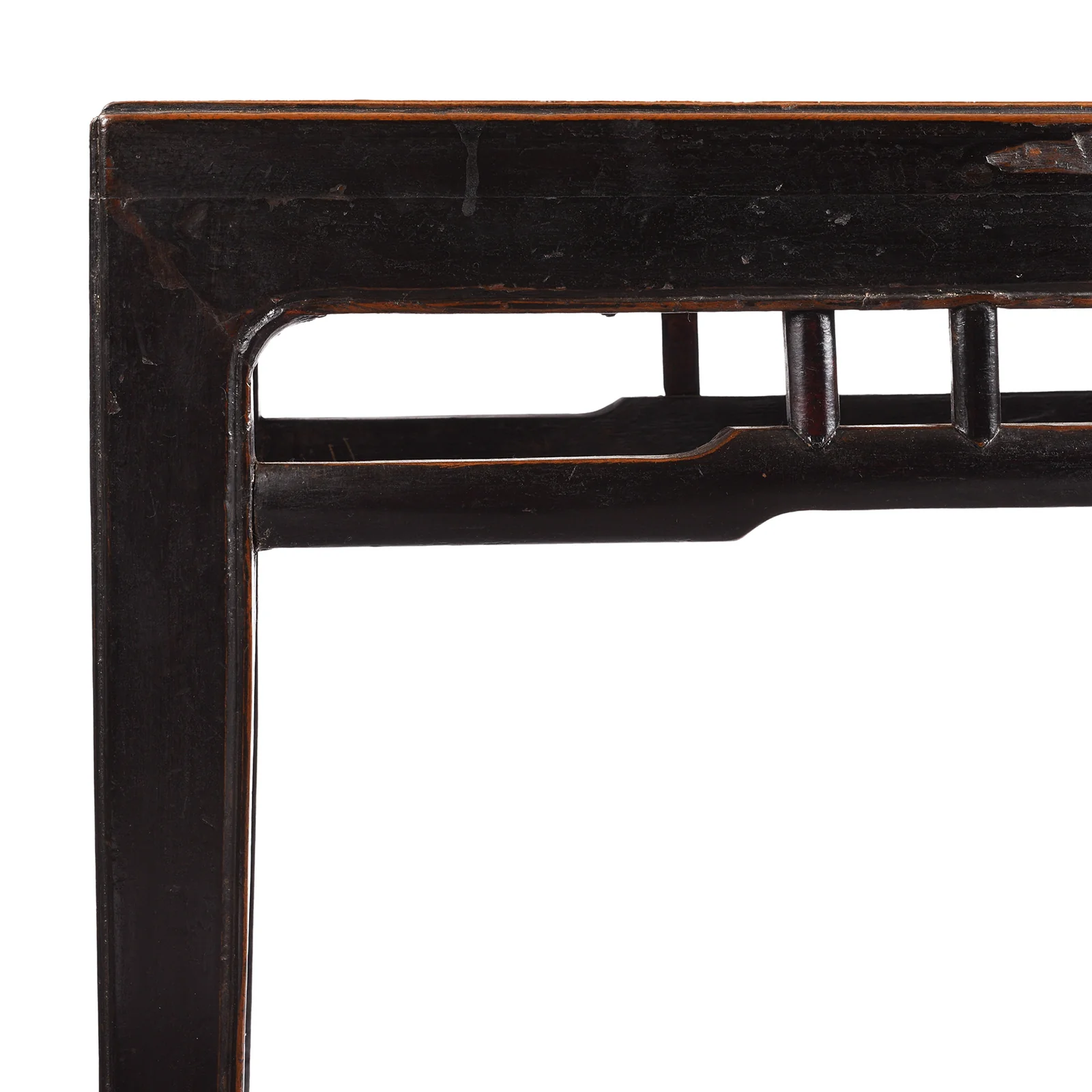
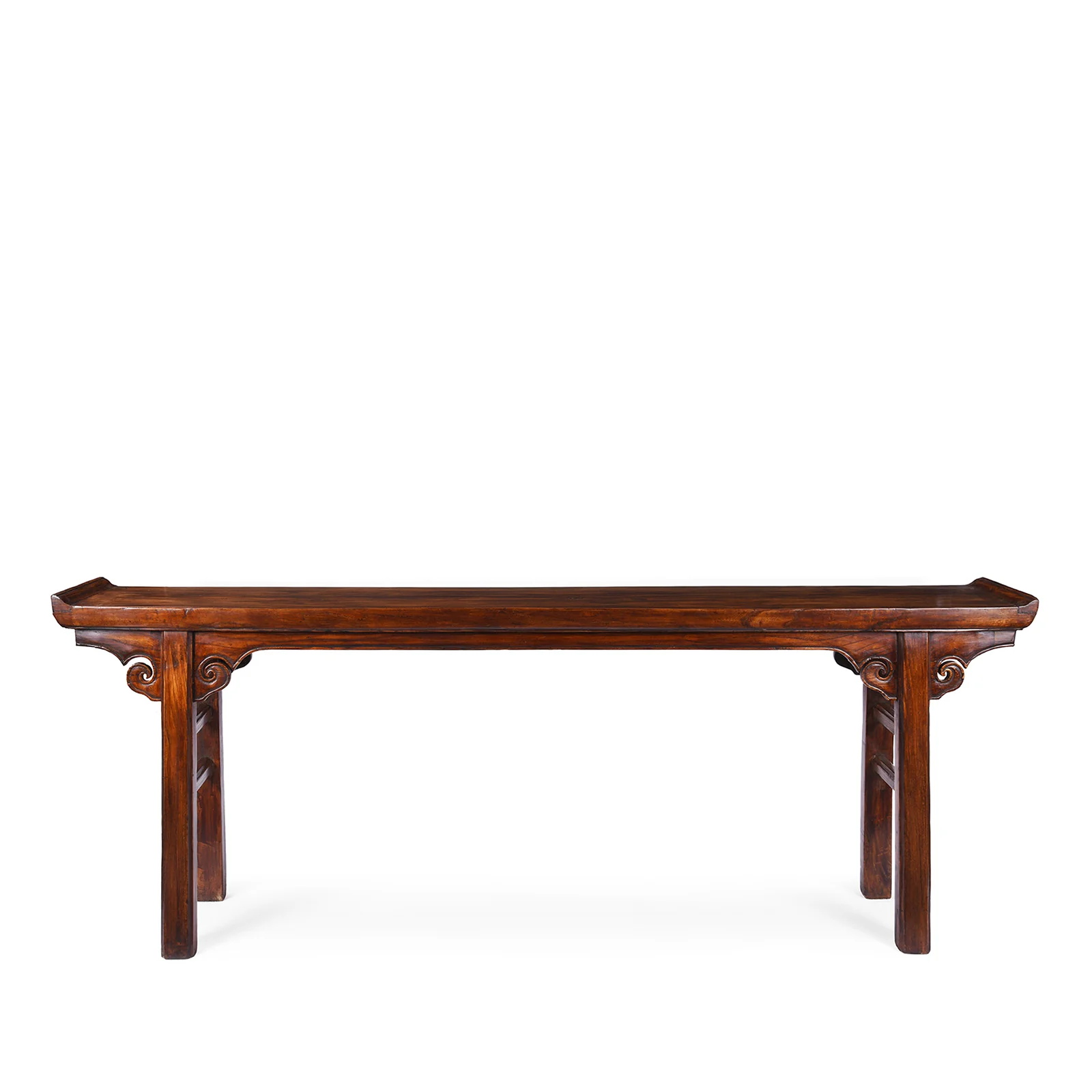
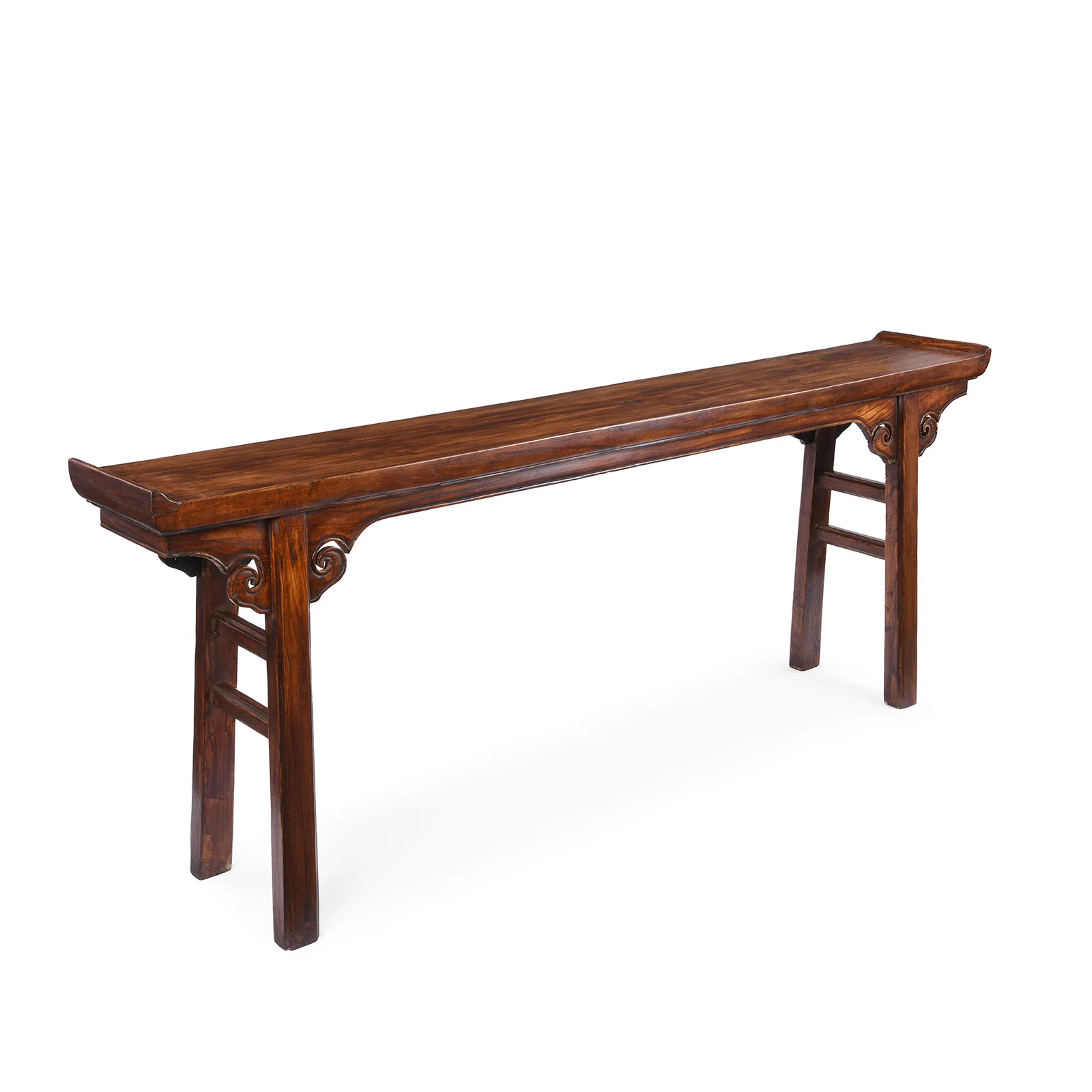
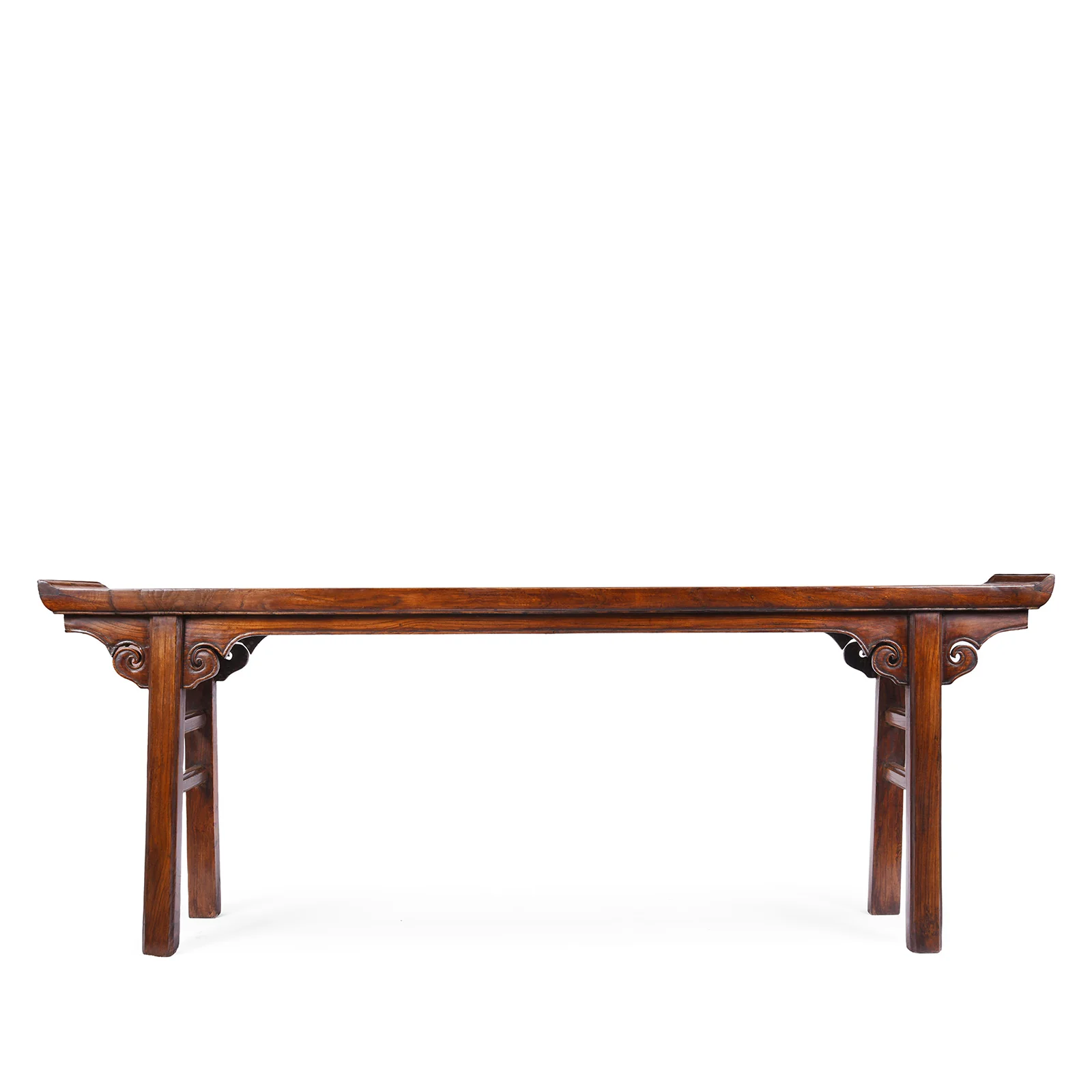
This elegant antique Qing dynasty Chinese altar table dates to the 19th century. It is constructed from red elm (jumu) in a style often described as a 'recessed leg painters table'. This style originated in the Song dynasty (960 - 1279AD). The legs were recessed and splayed to provide stability. These pieces were multifunctional but were predominantly used as family altar tables. They also doubled as tables for calligraphy, painting and writing by scholars. A family ancestor portrait would be hung above the table & joss sticks lit & placed on the table for the well-being of the household.
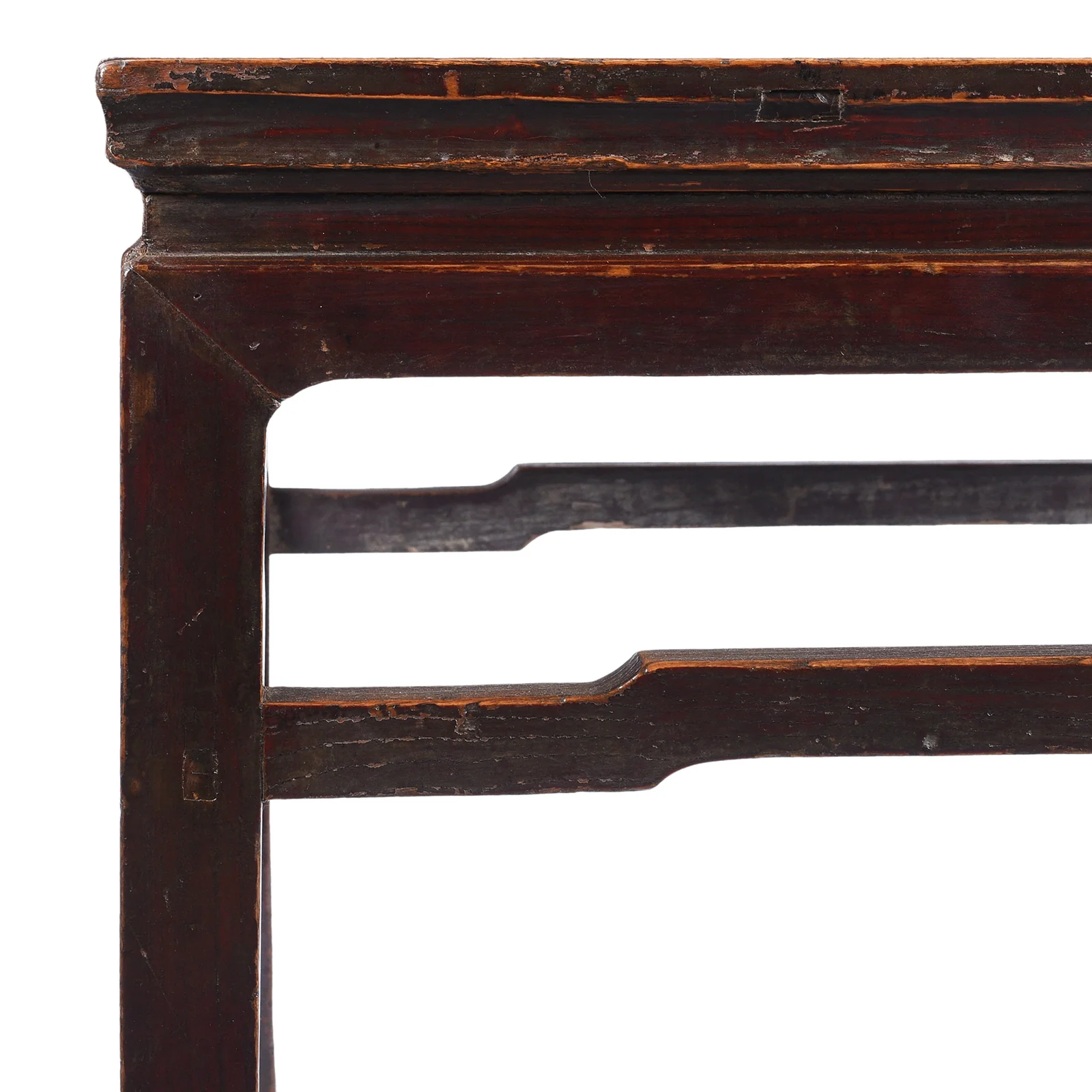
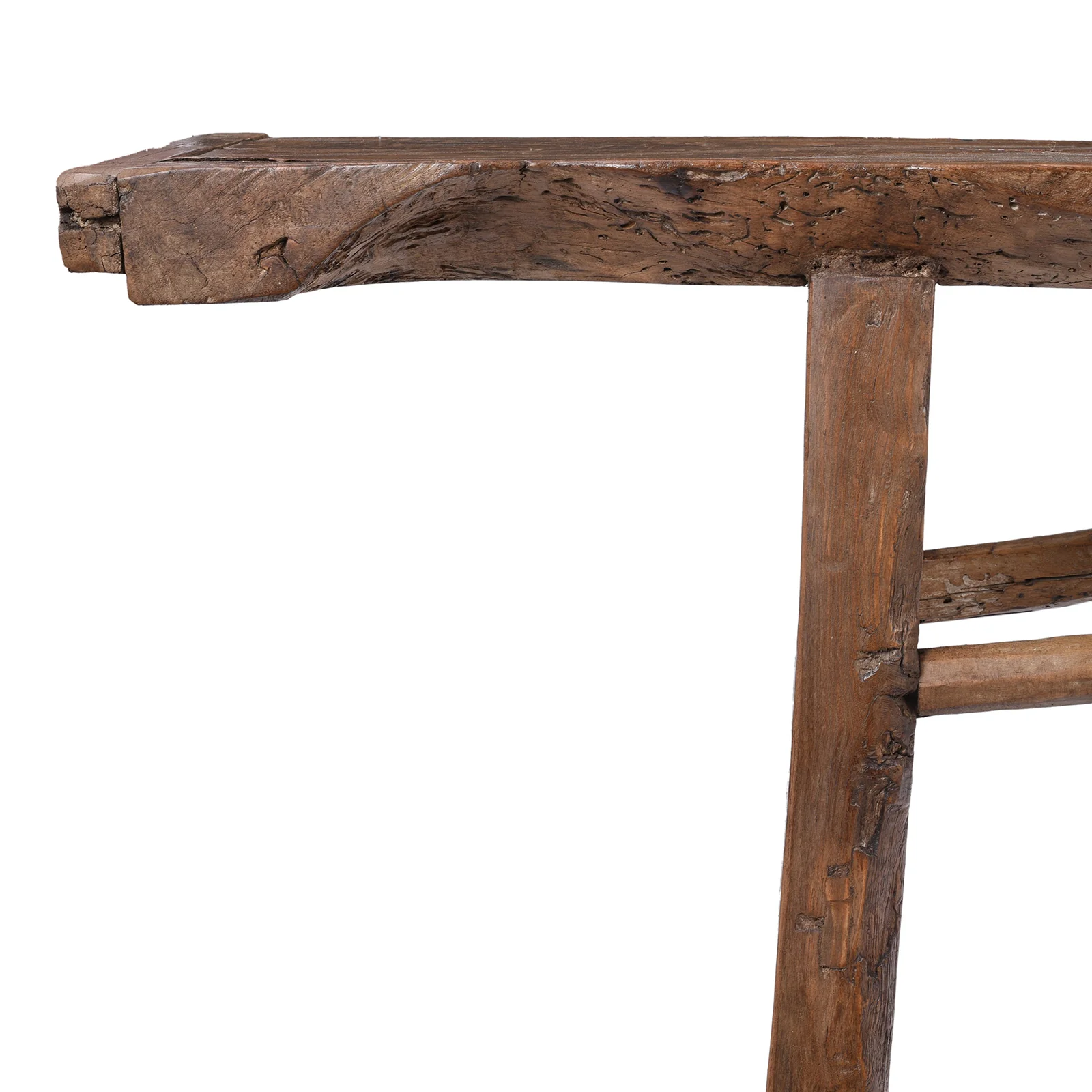
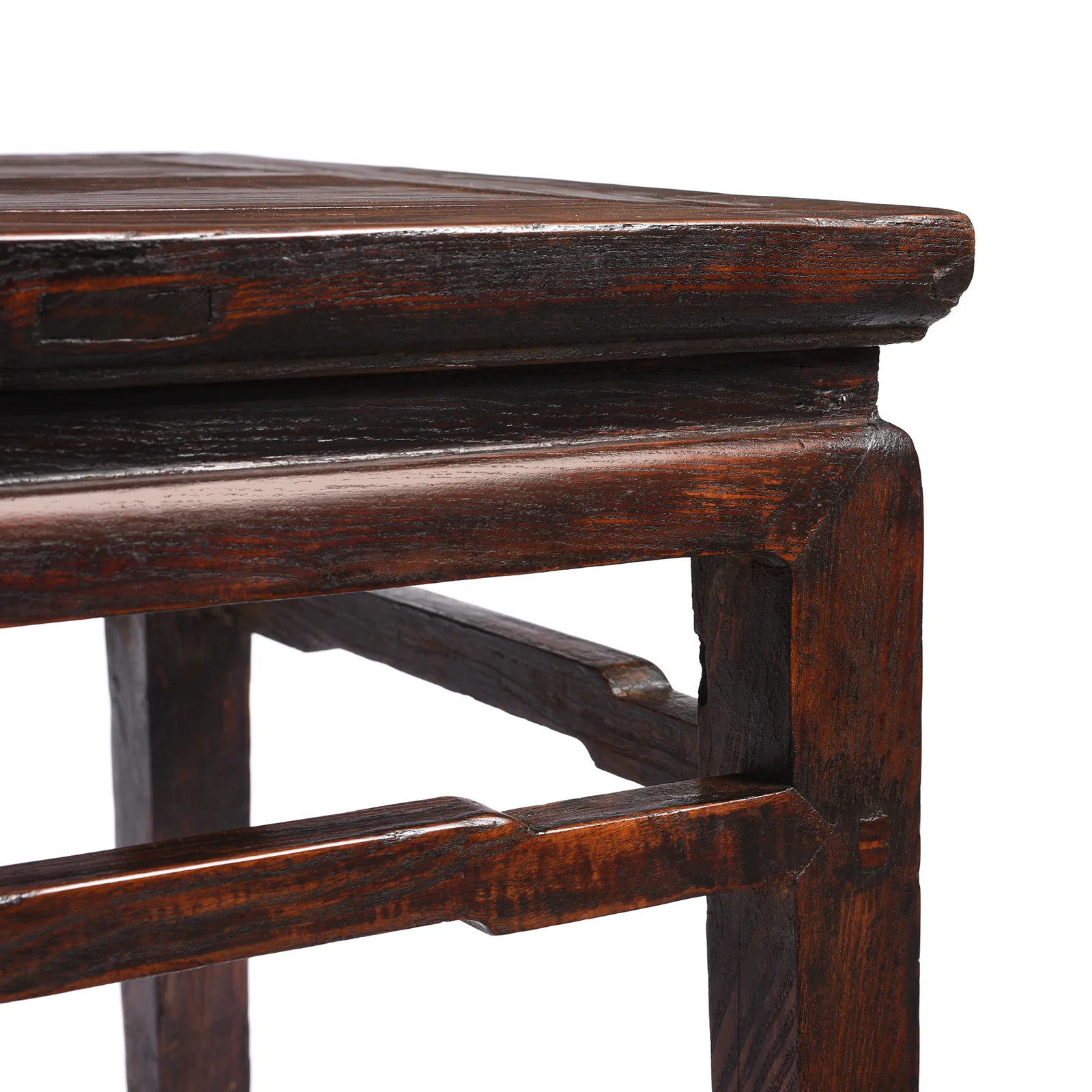
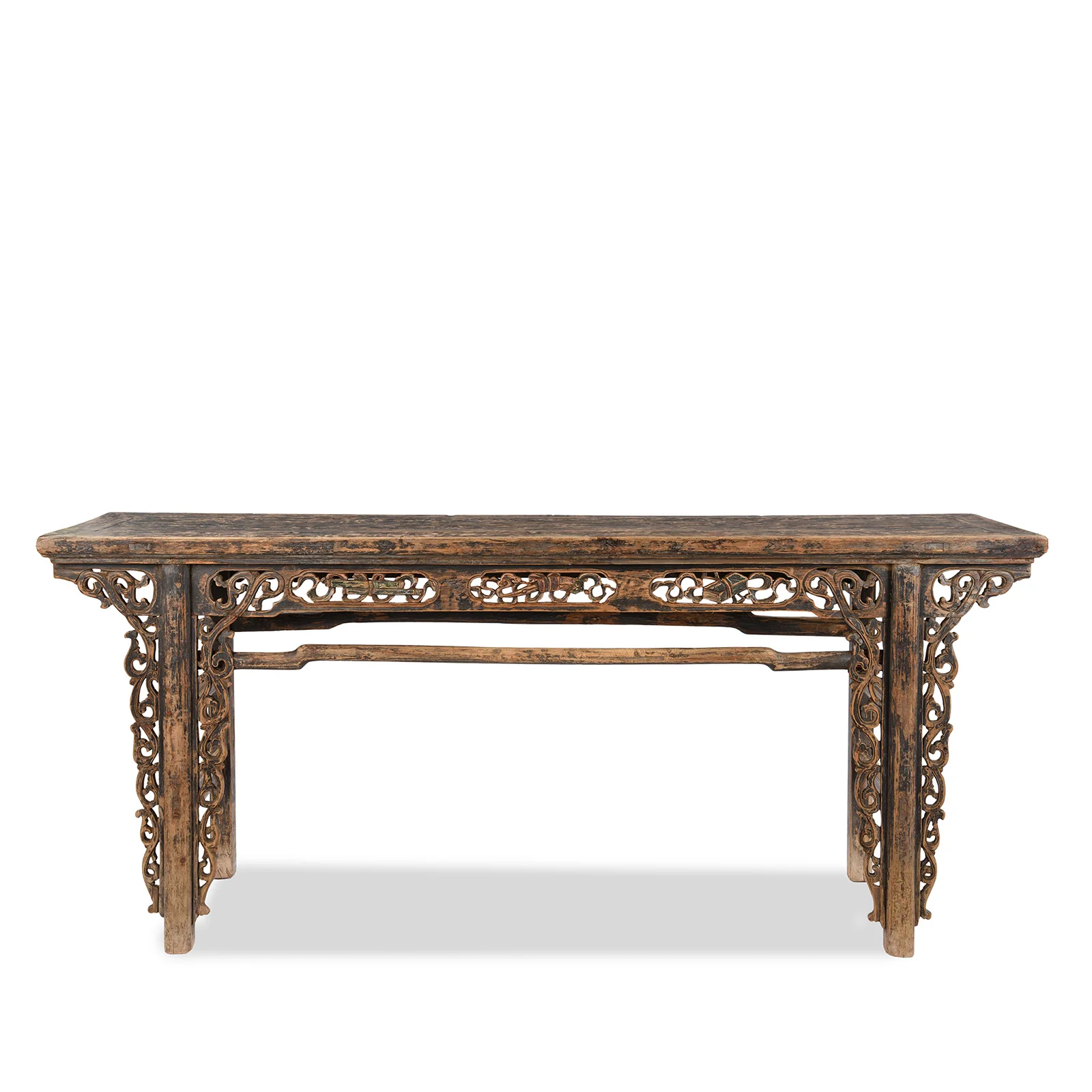
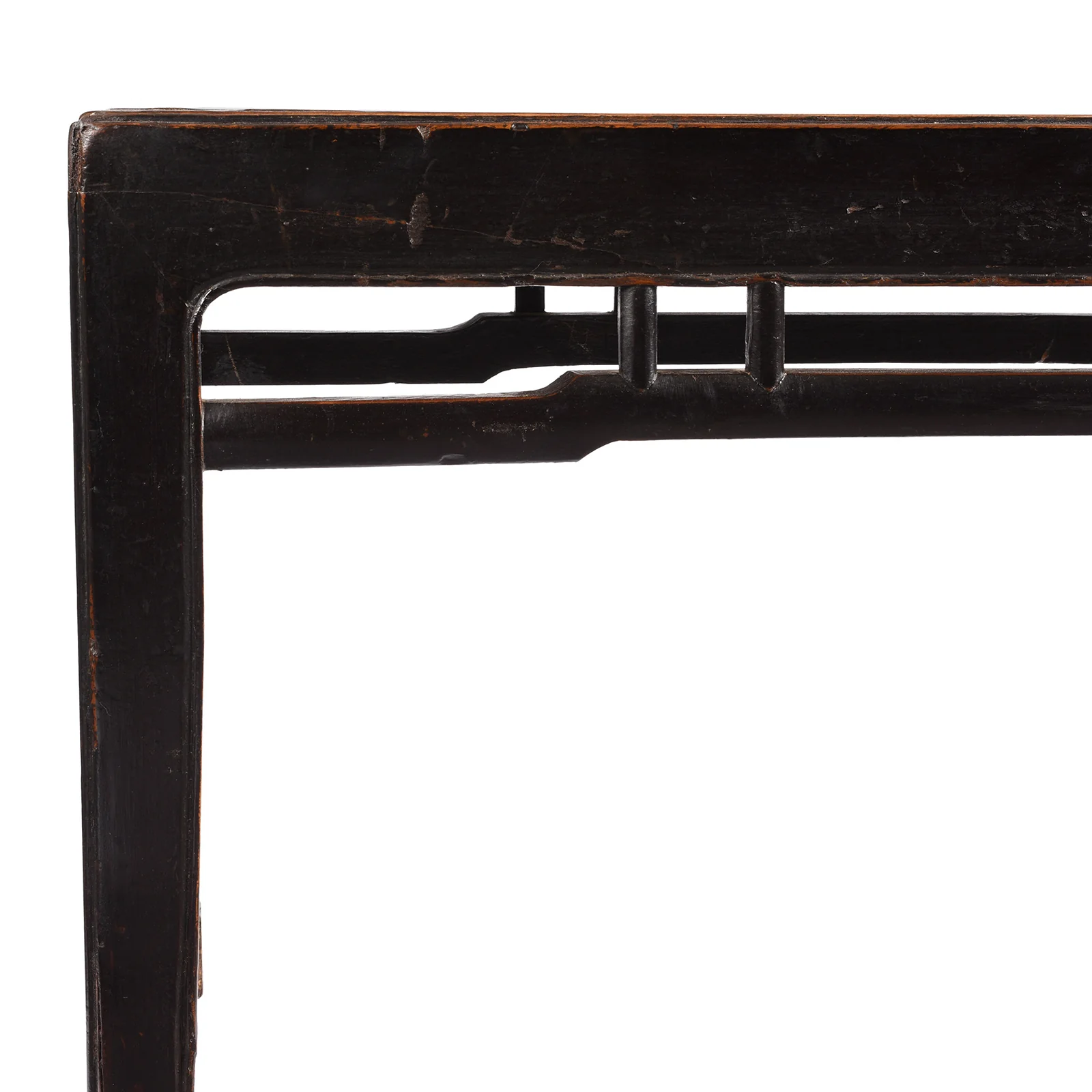
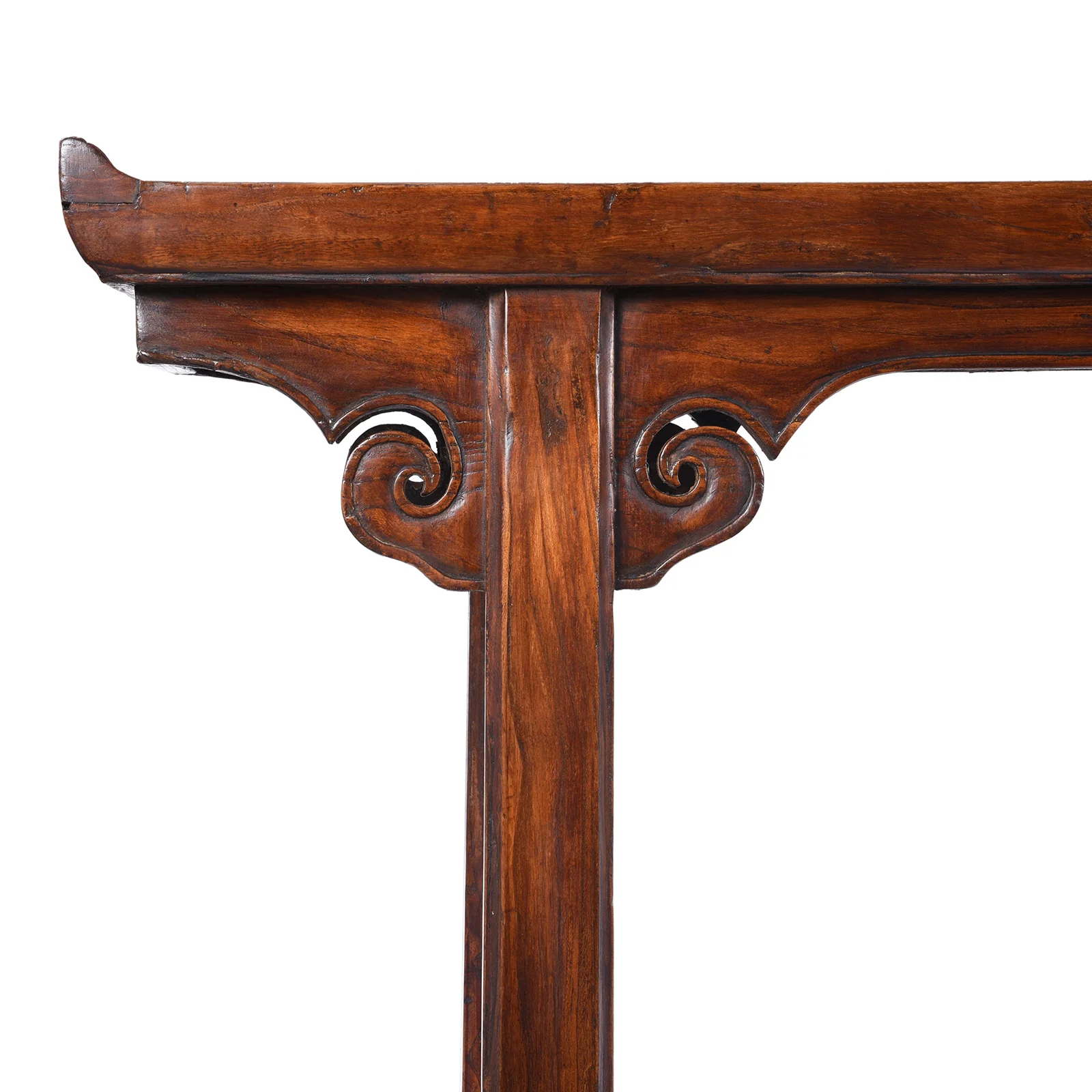
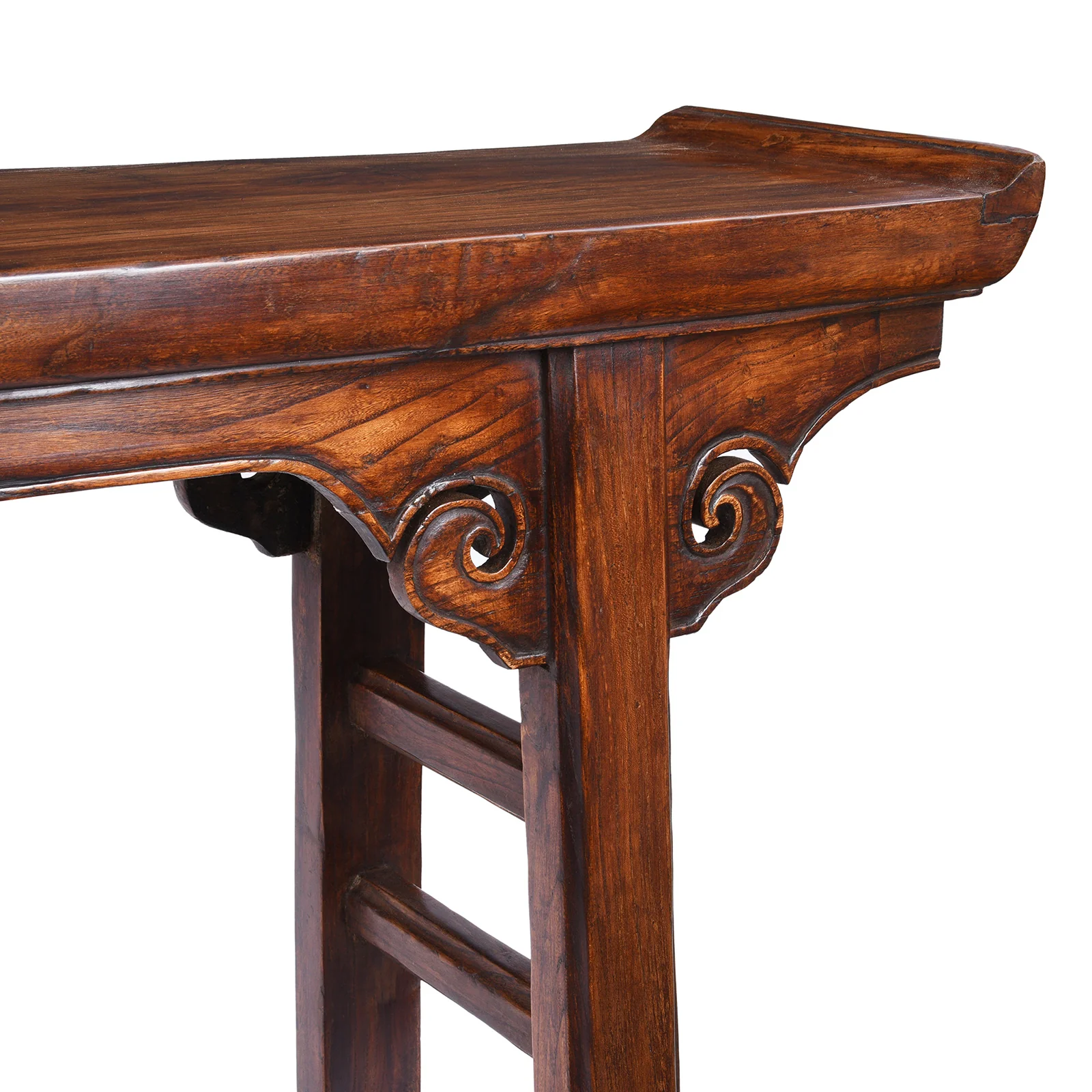
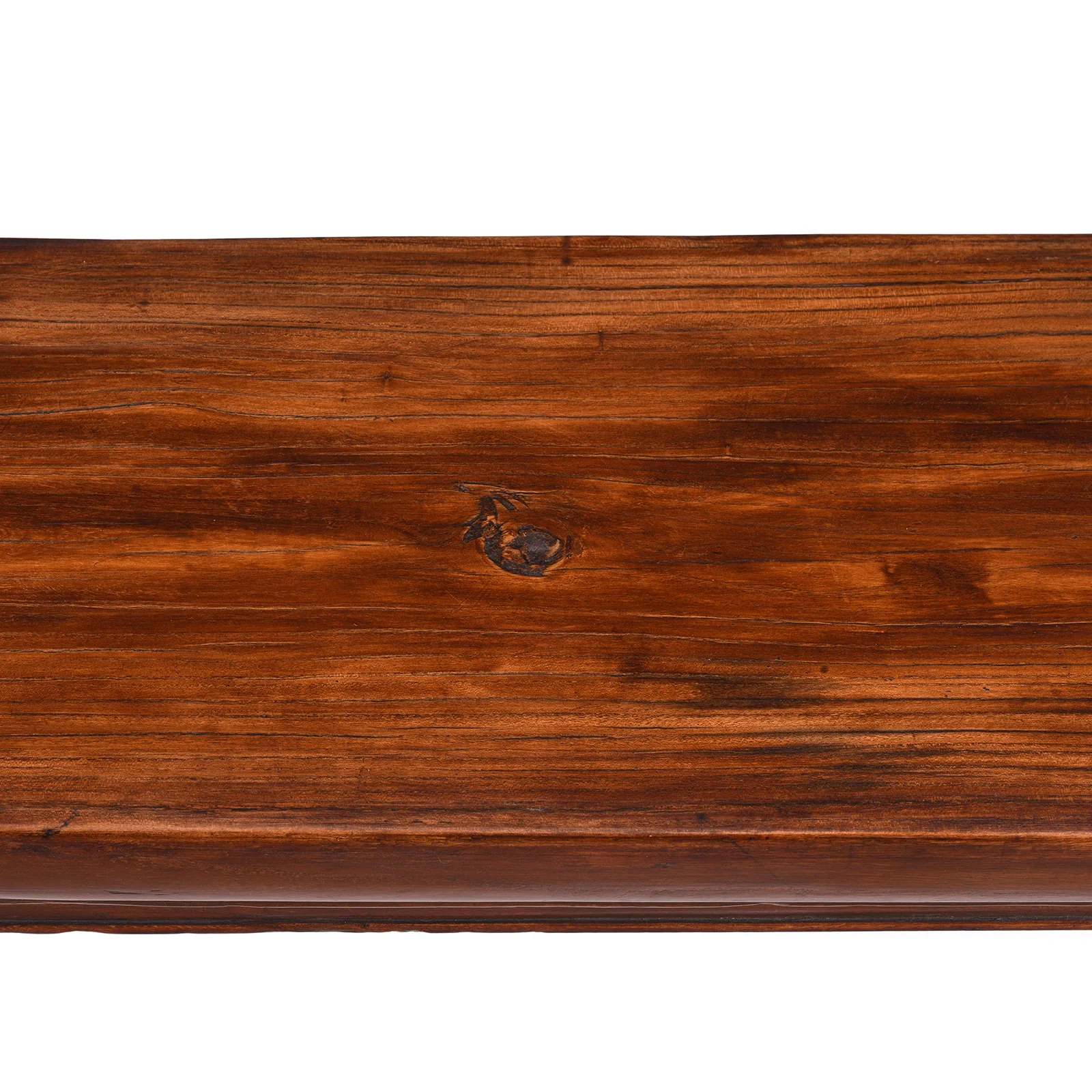
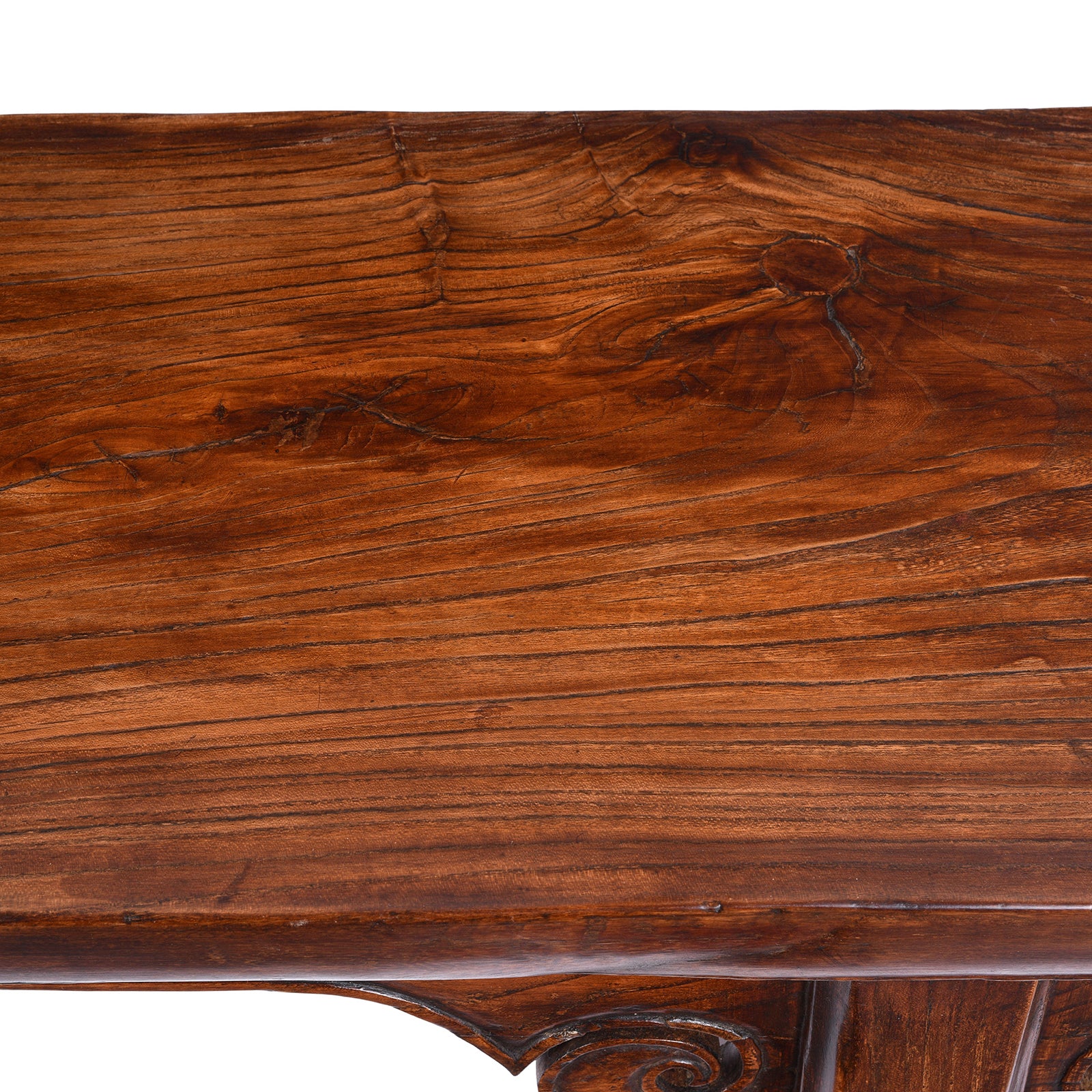
This altar table is an excellent example of the style being constructed from a single plank of red elm on the top. It has cloud head spandrels which are auspicious in China. The Chinese word 'yun' is synonomous with the words luck & fortune.
Red elm (jumu / 榉木), also known as zelkova or 'southern elm' is considered a superior wood to yumu, its northern cousin.
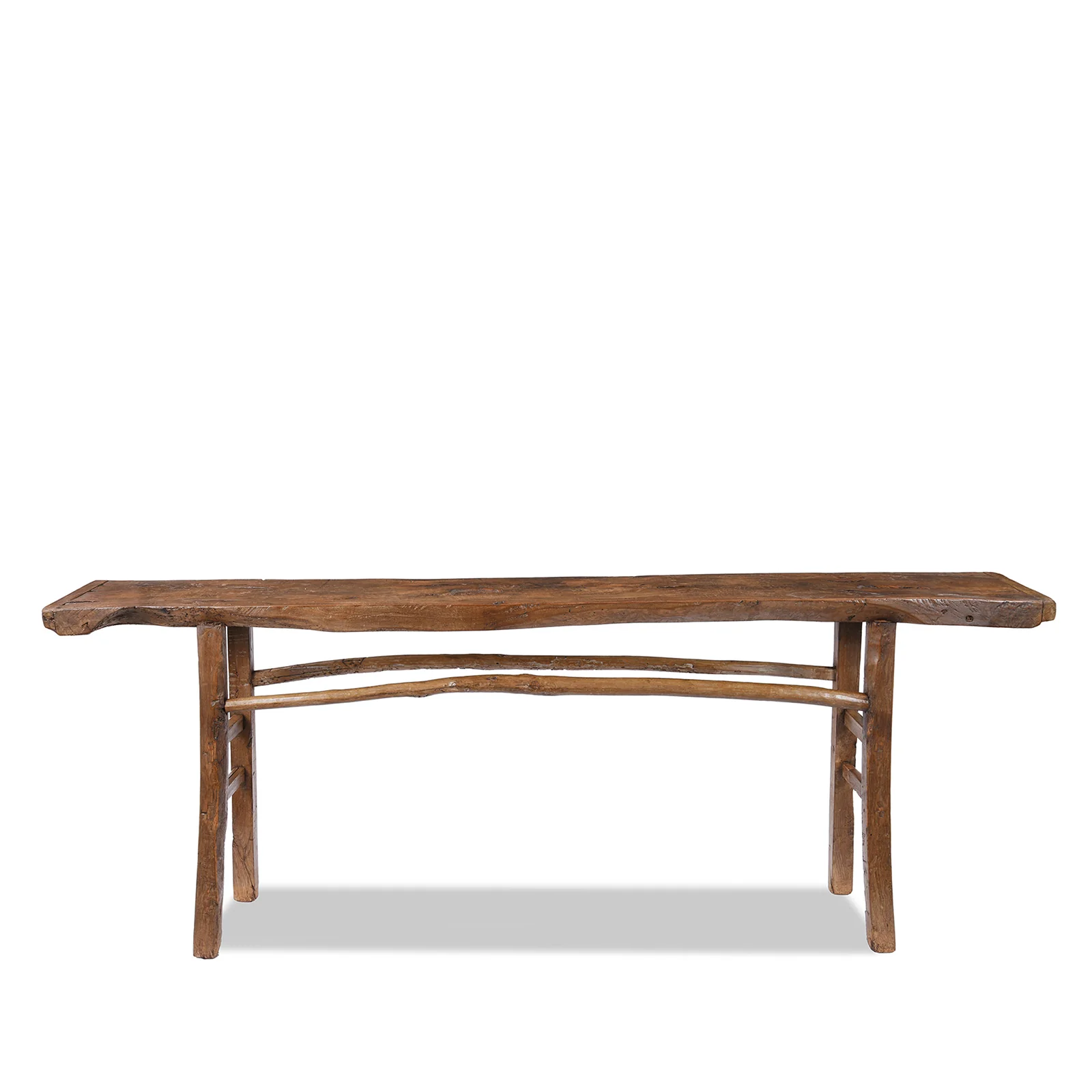
Chinese altar tables are always long & narrow in form - a configuration seldom found in antique European furniture and are great for English hallways or for a wide open living room.
From China
UK Delivery Charge - except Highlands & Islands £80
More delivery options available at checkout
Original: $5,535.45
-65%$5,535.45
$1,937.41More Images


Red Elm Altar Table From Jiangsu - 19th Century
This elegant antique Qing dynasty Chinese altar table dates to the 19th century. It is constructed from red elm (jumu) in a style often described as a 'recessed leg painters table'. This style originated in the Song dynasty (960 - 1279AD). The legs were recessed and splayed to provide stability. These pieces were multifunctional but were predominantly used as family altar tables. They also doubled as tables for calligraphy, painting and writing by scholars. A family ancestor portrait would be hung above the table & joss sticks lit & placed on the table for the well-being of the household.
This altar table is an excellent example of the style being constructed from a single plank of red elm on the top. It has cloud head spandrels which are auspicious in China. The Chinese word 'yun' is synonomous with the words luck & fortune.
Red elm (jumu / 榉木), also known as zelkova or 'southern elm' is considered a superior wood to yumu, its northern cousin.
Chinese altar tables are always long & narrow in form - a configuration seldom found in antique European furniture and are great for English hallways or for a wide open living room.
From China
UK Delivery Charge - except Highlands & Islands £80
More delivery options available at checkout
Product Information
Product Information
Shipping & Returns
Shipping & Returns
Description
This elegant antique Qing dynasty Chinese altar table dates to the 19th century. It is constructed from red elm (jumu) in a style often described as a 'recessed leg painters table'. This style originated in the Song dynasty (960 - 1279AD). The legs were recessed and splayed to provide stability. These pieces were multifunctional but were predominantly used as family altar tables. They also doubled as tables for calligraphy, painting and writing by scholars. A family ancestor portrait would be hung above the table & joss sticks lit & placed on the table for the well-being of the household.
This altar table is an excellent example of the style being constructed from a single plank of red elm on the top. It has cloud head spandrels which are auspicious in China. The Chinese word 'yun' is synonomous with the words luck & fortune.
Red elm (jumu / 榉木), also known as zelkova or 'southern elm' is considered a superior wood to yumu, its northern cousin.
Chinese altar tables are always long & narrow in form - a configuration seldom found in antique European furniture and are great for English hallways or for a wide open living room.
From China
UK Delivery Charge - except Highlands & Islands £80
More delivery options available at checkout