
Chinese Walnut Sideboard From Shanxi - Early 18th Century
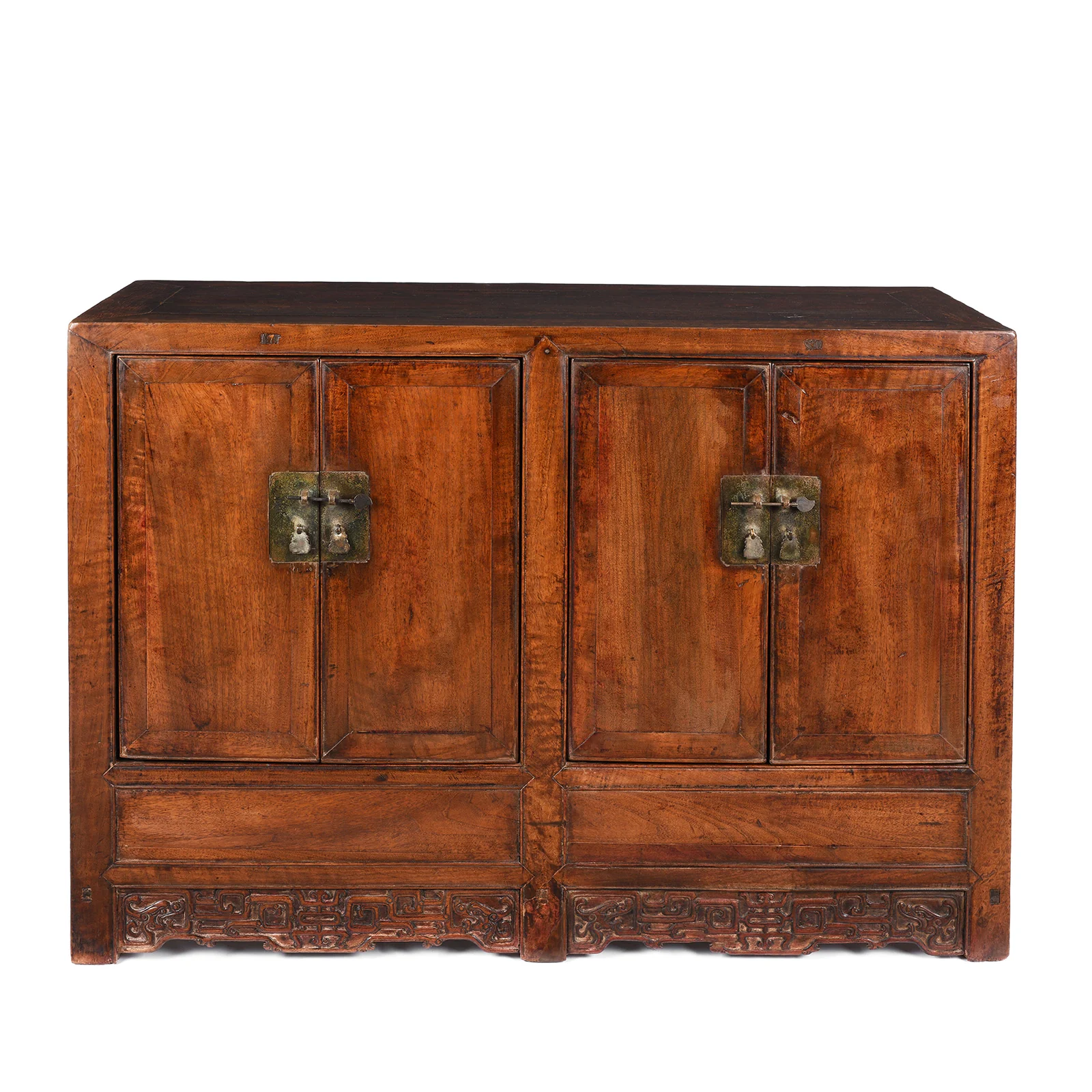
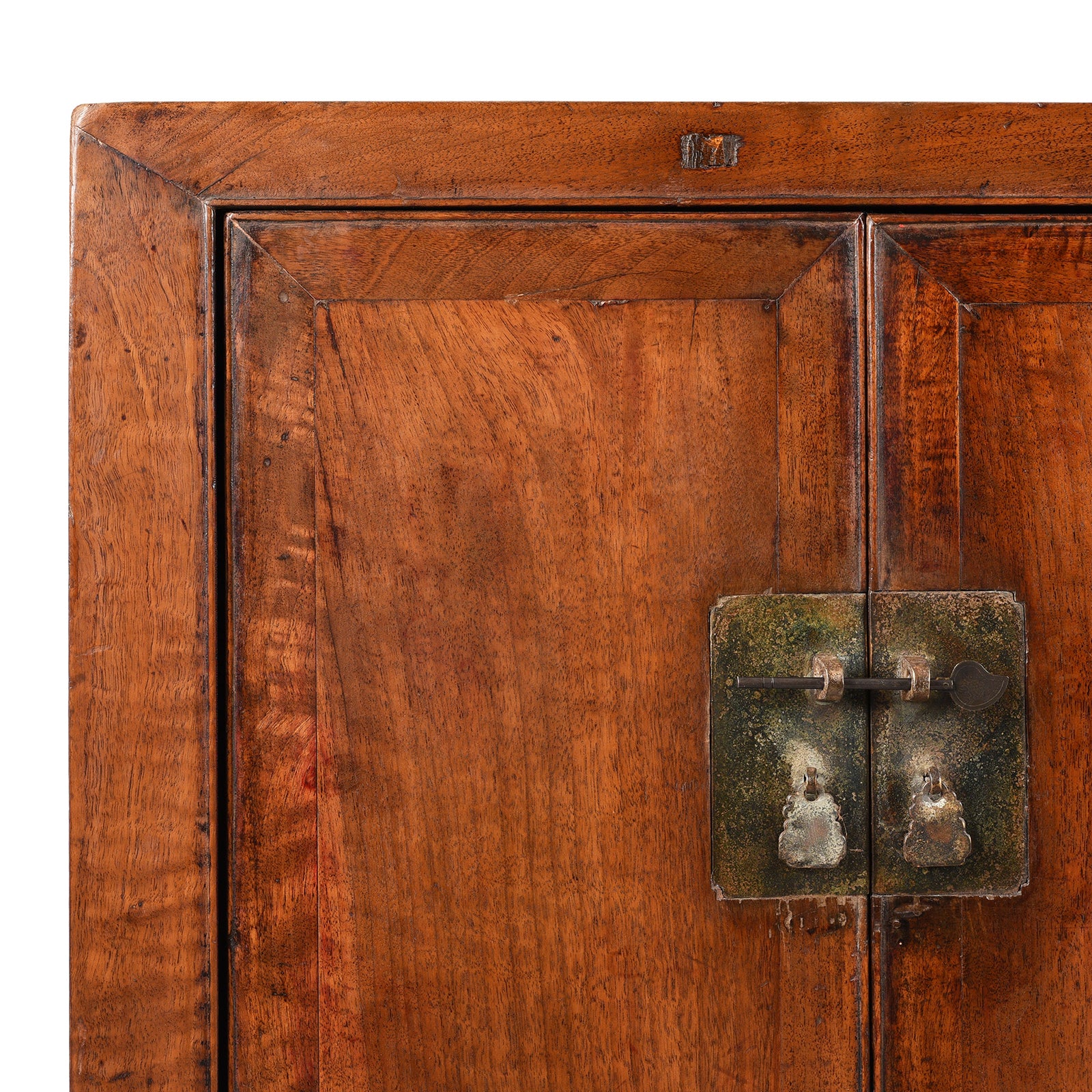
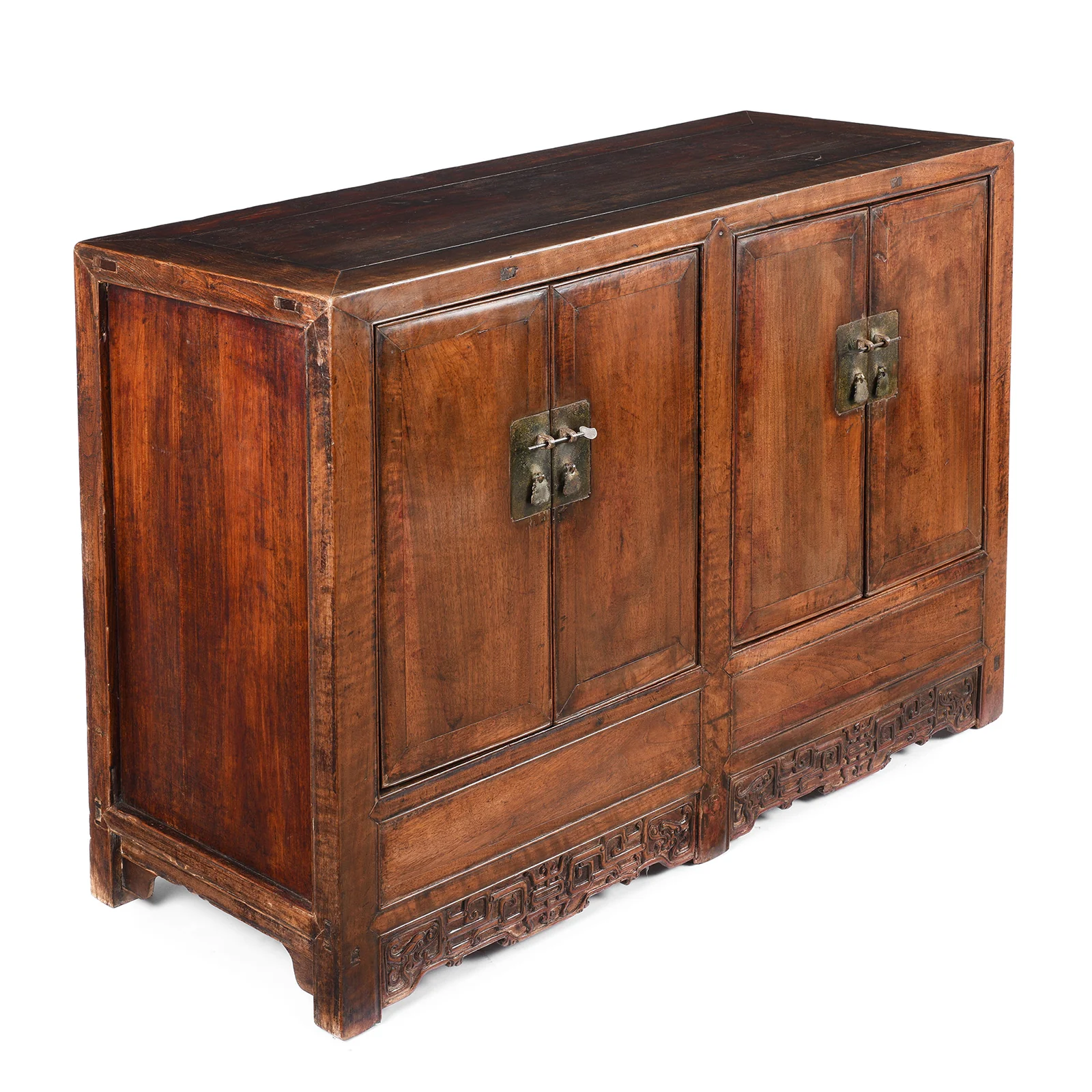
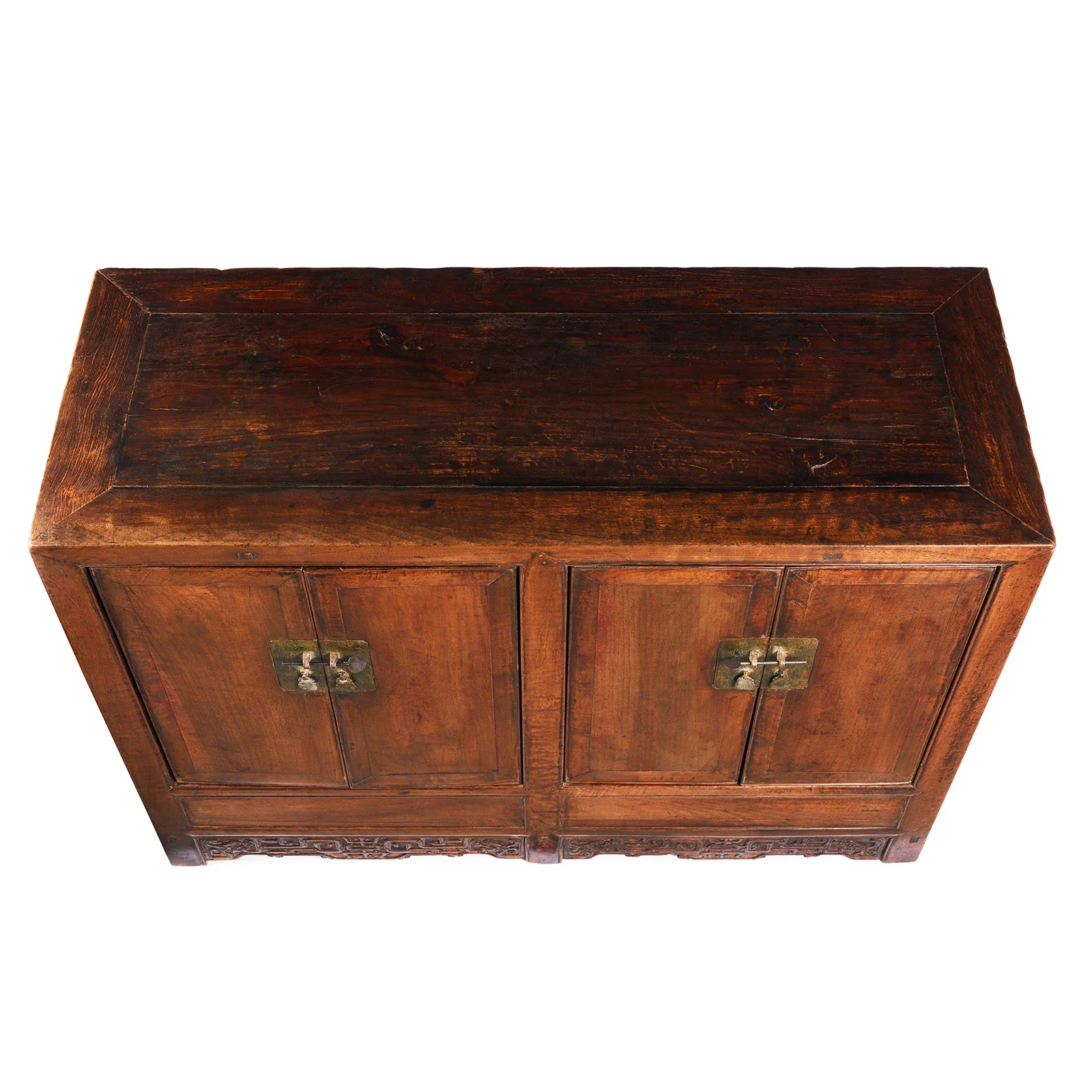
This antique Chinese sideboard is an excellent early to mid Qing dynasty (1644 - 1911) sideboard from Shanxi province. It is constructed from primarily walnut wood (hetaomu) with some parts red elm (jumu). Walnut pieces in Shanxi province were often reserved for the most important citizens. This was due to Shanxi being isolated from the rest of China with no access to The Grand Canal and thus very limited access to highly desirable hardwoods such as huali & huanghuali. Walnut is sometimes known as 'fake huanghuali' and the very best Shanxi furniture was constructed from walnut wood.
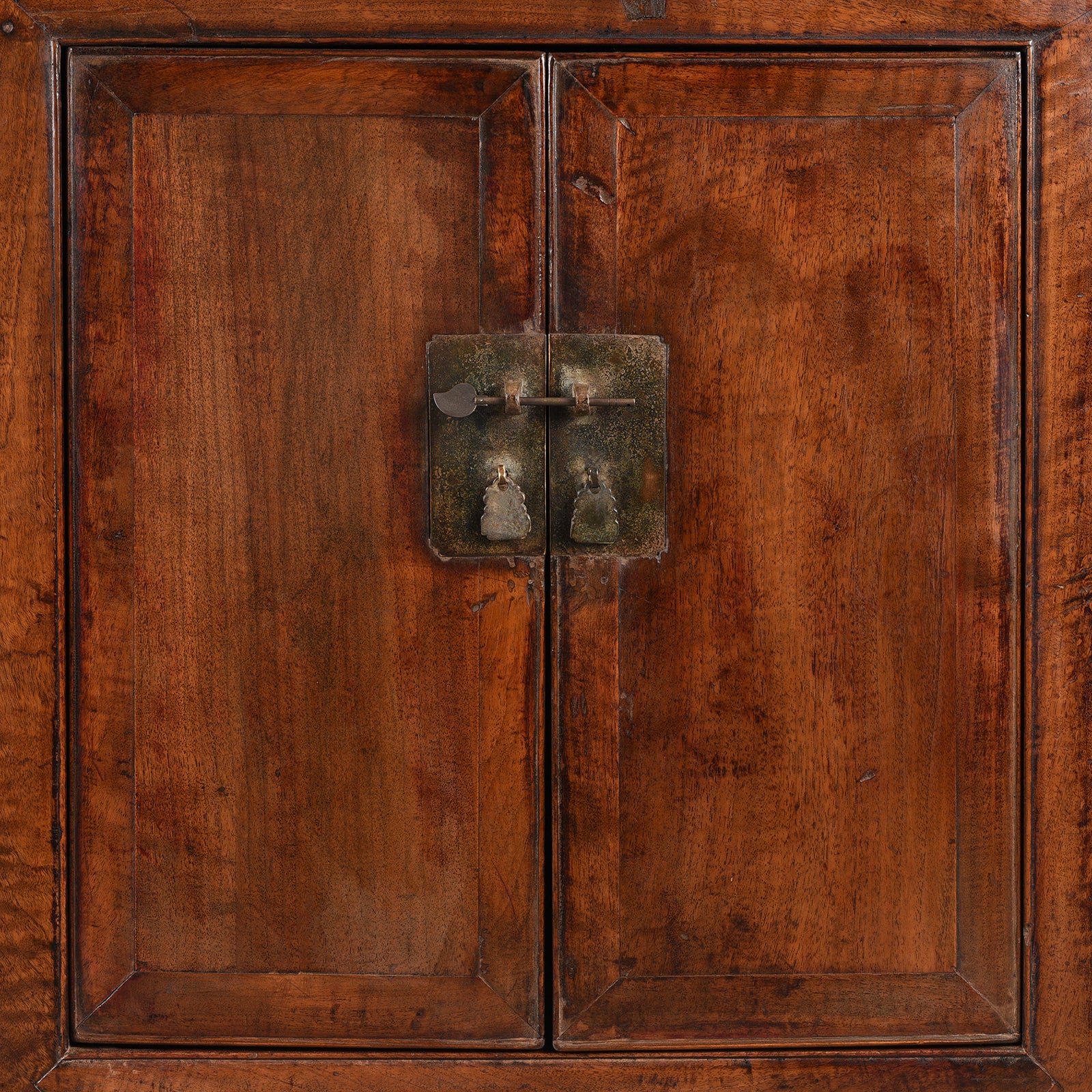
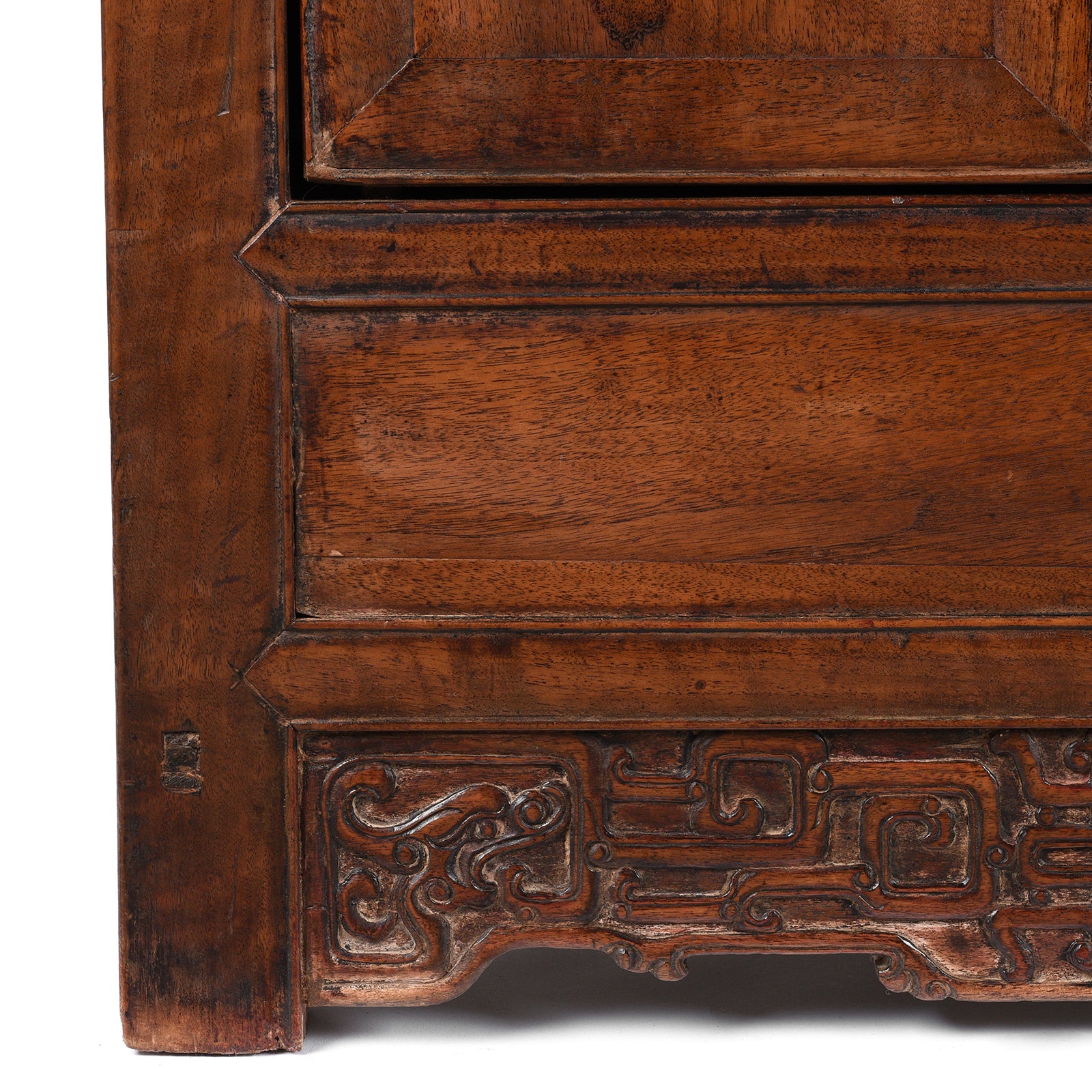
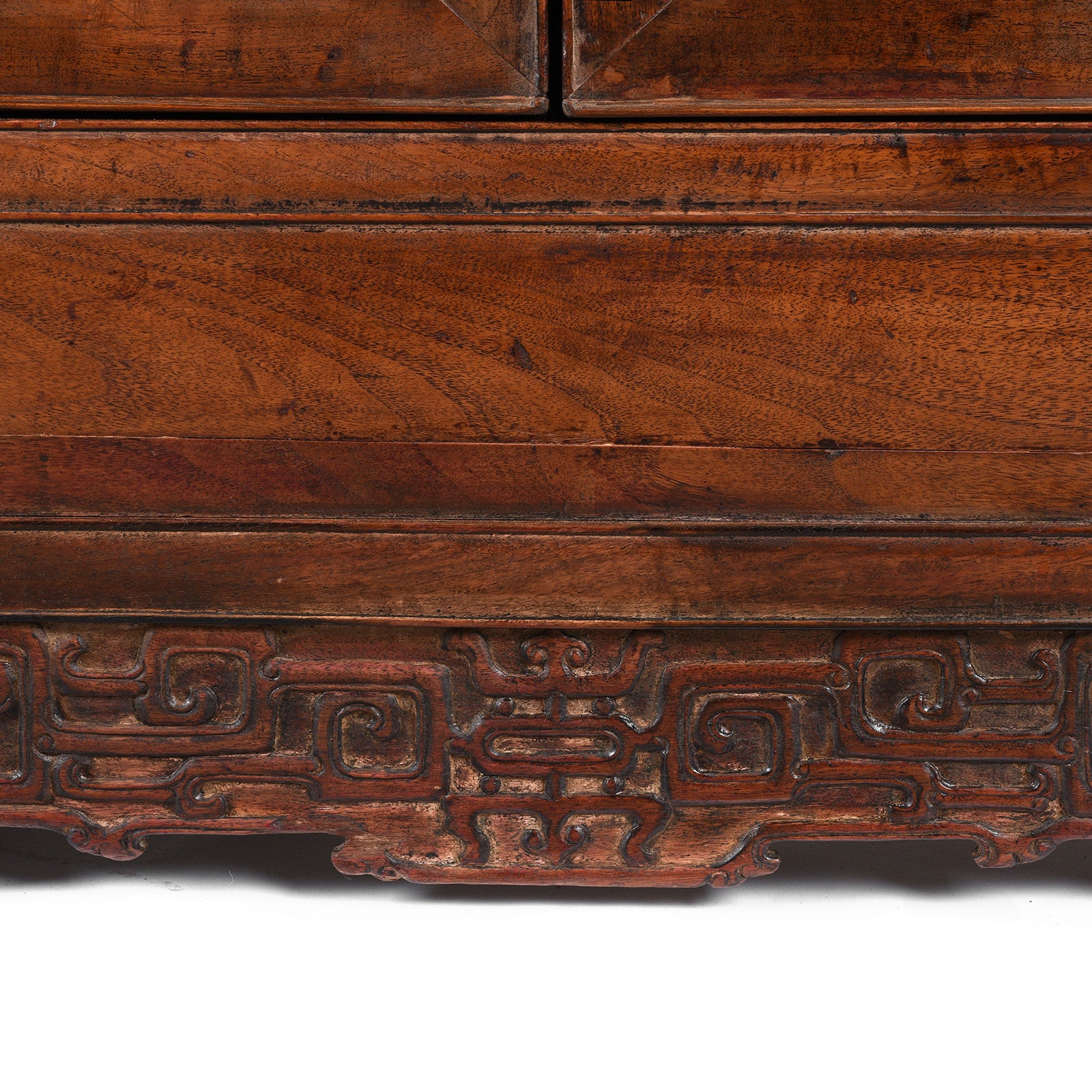
This Shanxi sideboard is no exception. Its delicate beading, clean lines, recessed brass hardware, and chi dragons are all features that wouldn't look out of place on a high end huanghuali piece of furniture.
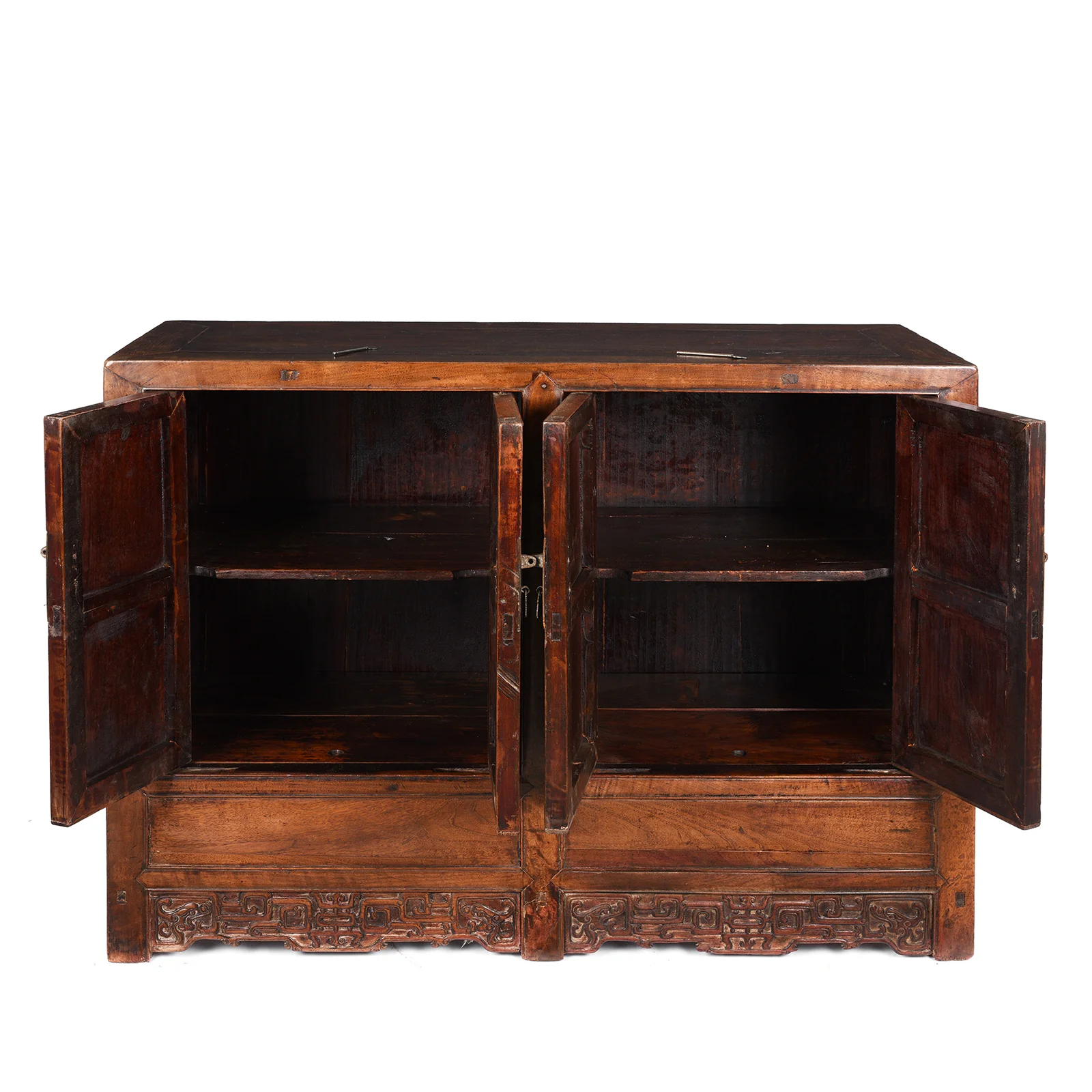
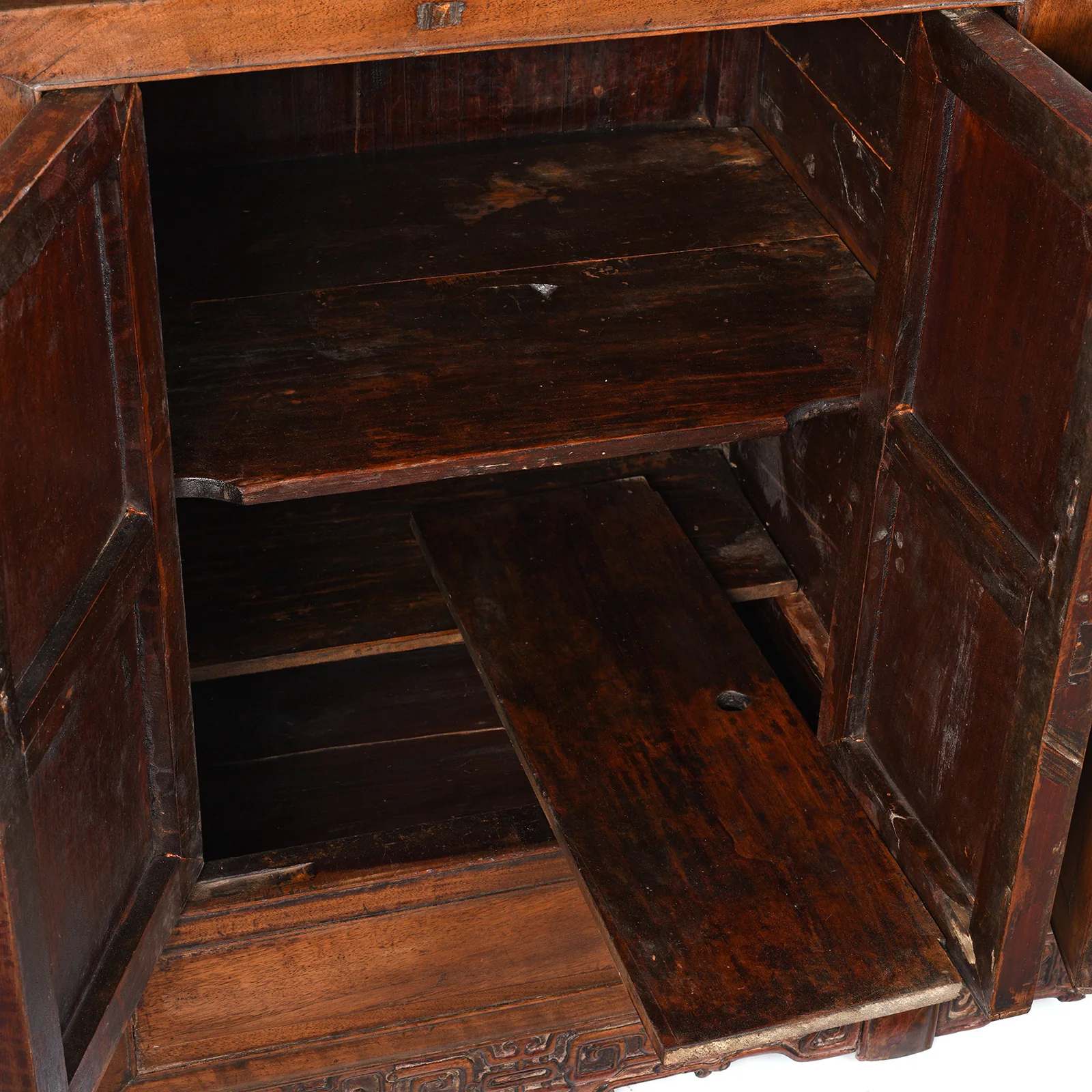
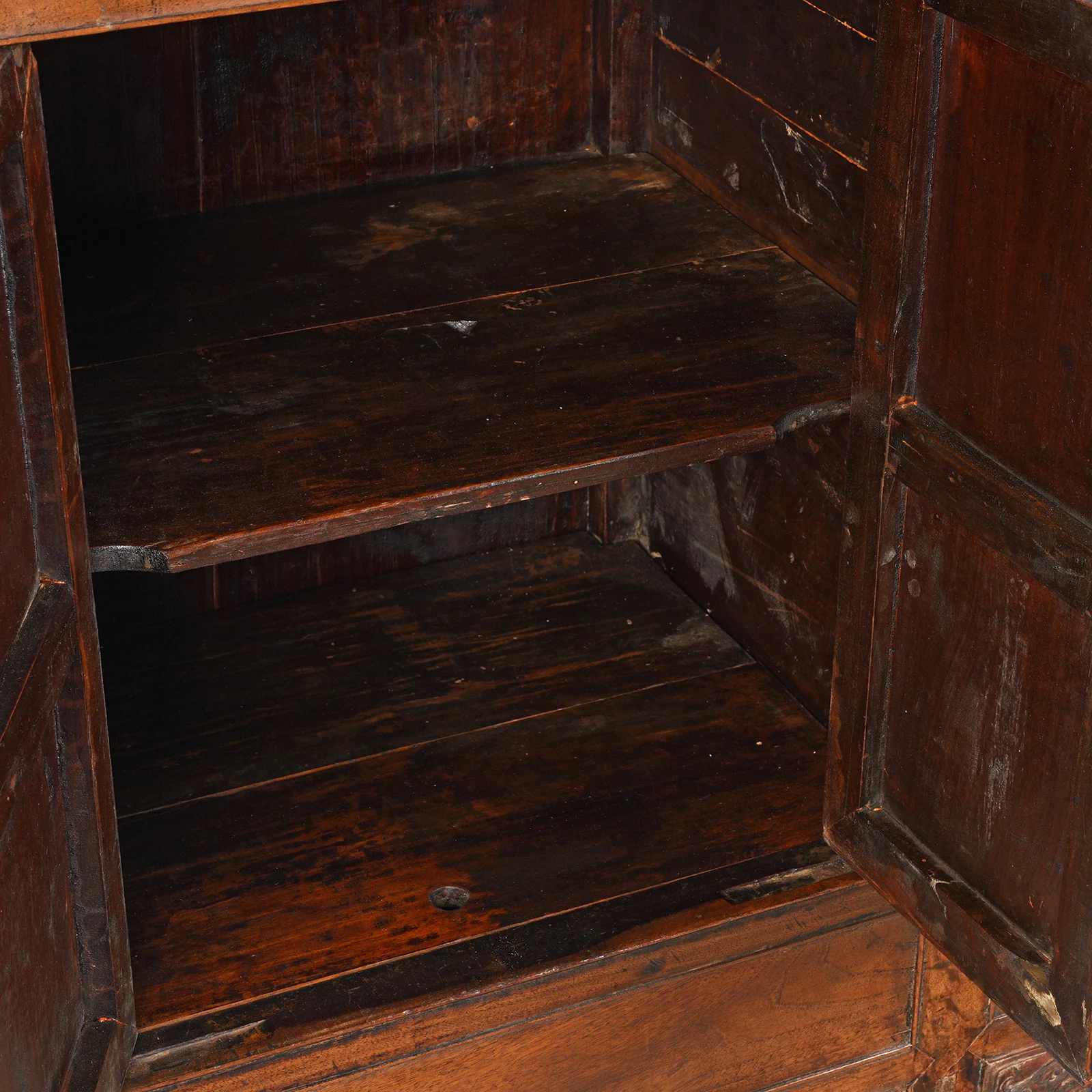
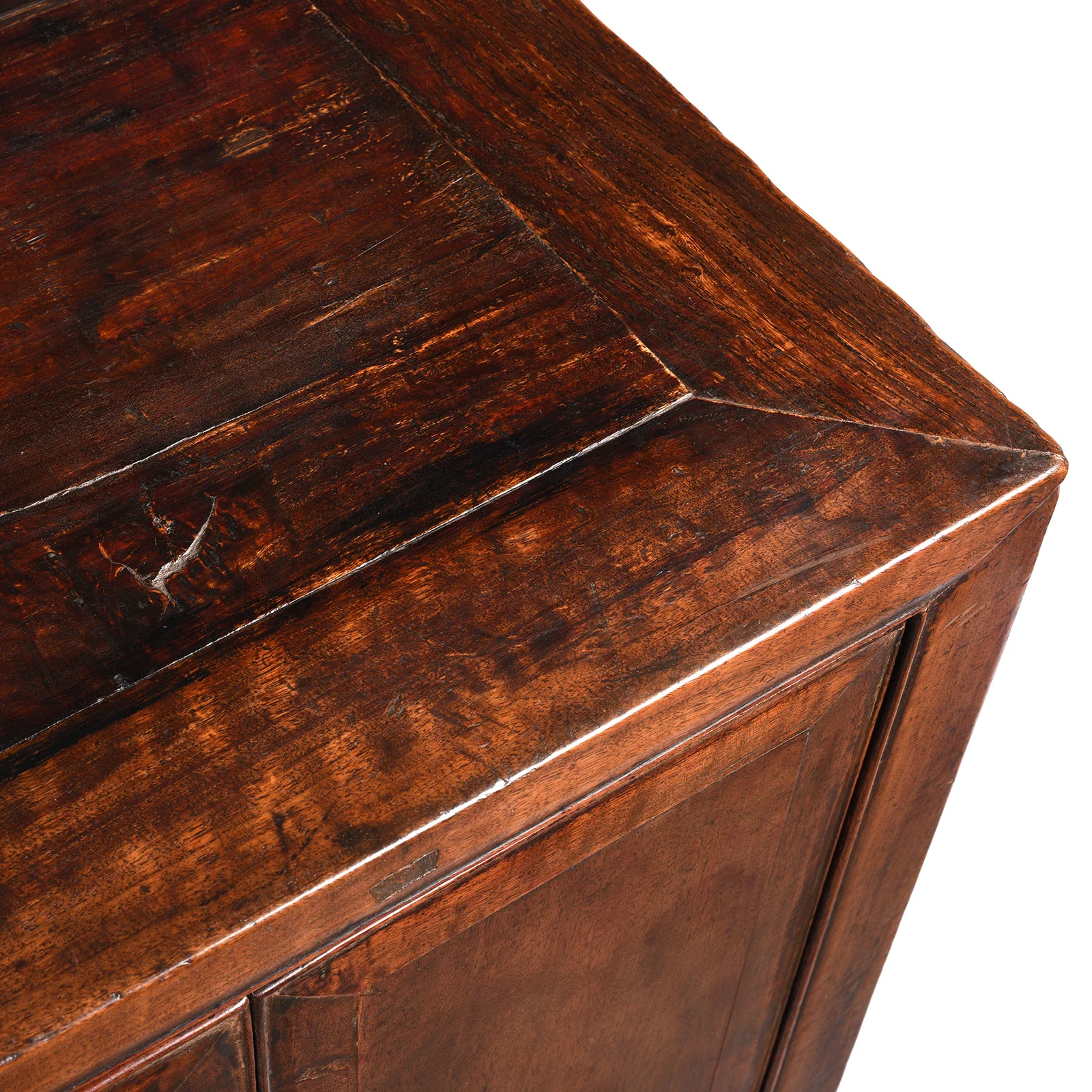
Originally this piece was lacquered which has long since worn away. It has a beautiful patina which we've been careful to retain during the restoration process. The cabinet has been reduced in depth during its lifetime to make it fit into a smaller home. These cabinets were used in the home for ancestor worship and for storage. The doors open to reveal large spaces separated by a shelf. The bottom board from each compartment lifts out to reveal a further hidden compartment.
This is a real collectors piece and something rarely found these days.
From China
UK Delivery Charge - except Highlands & Islands £80
More delivery options available at checkout
More Images
Chinese Walnut Sideboard From Shanxi - Early 18th Century
This antique Chinese sideboard is an excellent early to mid Qing dynasty (1644 - 1911) sideboard from Shanxi province. It is constructed from primarily walnut wood (hetaomu) with some parts red elm (jumu). Walnut pieces in Shanxi province were often reserved for the most important citizens. This was due to Shanxi being isolated from the rest of China with no access to The Grand Canal and thus very limited access to highly desirable hardwoods such as huali & huanghuali. Walnut is sometimes known as 'fake huanghuali' and the very best Shanxi furniture was constructed from walnut wood.
This Shanxi sideboard is no exception. Its delicate beading, clean lines, recessed brass hardware, and chi dragons are all features that wouldn't look out of place on a high end huanghuali piece of furniture.
Originally this piece was lacquered which has long since worn away. It has a beautiful patina which we've been careful to retain during the restoration process. The cabinet has been reduced in depth during its lifetime to make it fit into a smaller home. These cabinets were used in the home for ancestor worship and for storage. The doors open to reveal large spaces separated by a shelf. The bottom board from each compartment lifts out to reveal a further hidden compartment.
This is a real collectors piece and something rarely found these days.
From China
UK Delivery Charge - except Highlands & Islands £80
More delivery options available at checkout
Product Information
Product Information
Shipping & Returns
Shipping & Returns
Description
This antique Chinese sideboard is an excellent early to mid Qing dynasty (1644 - 1911) sideboard from Shanxi province. It is constructed from primarily walnut wood (hetaomu) with some parts red elm (jumu). Walnut pieces in Shanxi province were often reserved for the most important citizens. This was due to Shanxi being isolated from the rest of China with no access to The Grand Canal and thus very limited access to highly desirable hardwoods such as huali & huanghuali. Walnut is sometimes known as 'fake huanghuali' and the very best Shanxi furniture was constructed from walnut wood.
This Shanxi sideboard is no exception. Its delicate beading, clean lines, recessed brass hardware, and chi dragons are all features that wouldn't look out of place on a high end huanghuali piece of furniture.
Originally this piece was lacquered which has long since worn away. It has a beautiful patina which we've been careful to retain during the restoration process. The cabinet has been reduced in depth during its lifetime to make it fit into a smaller home. These cabinets were used in the home for ancestor worship and for storage. The doors open to reveal large spaces separated by a shelf. The bottom board from each compartment lifts out to reveal a further hidden compartment.
This is a real collectors piece and something rarely found these days.
From China
UK Delivery Charge - except Highlands & Islands £80
More delivery options available at checkout