Carved Rajasthani Opium Grinder (Kharal) - 19th Century
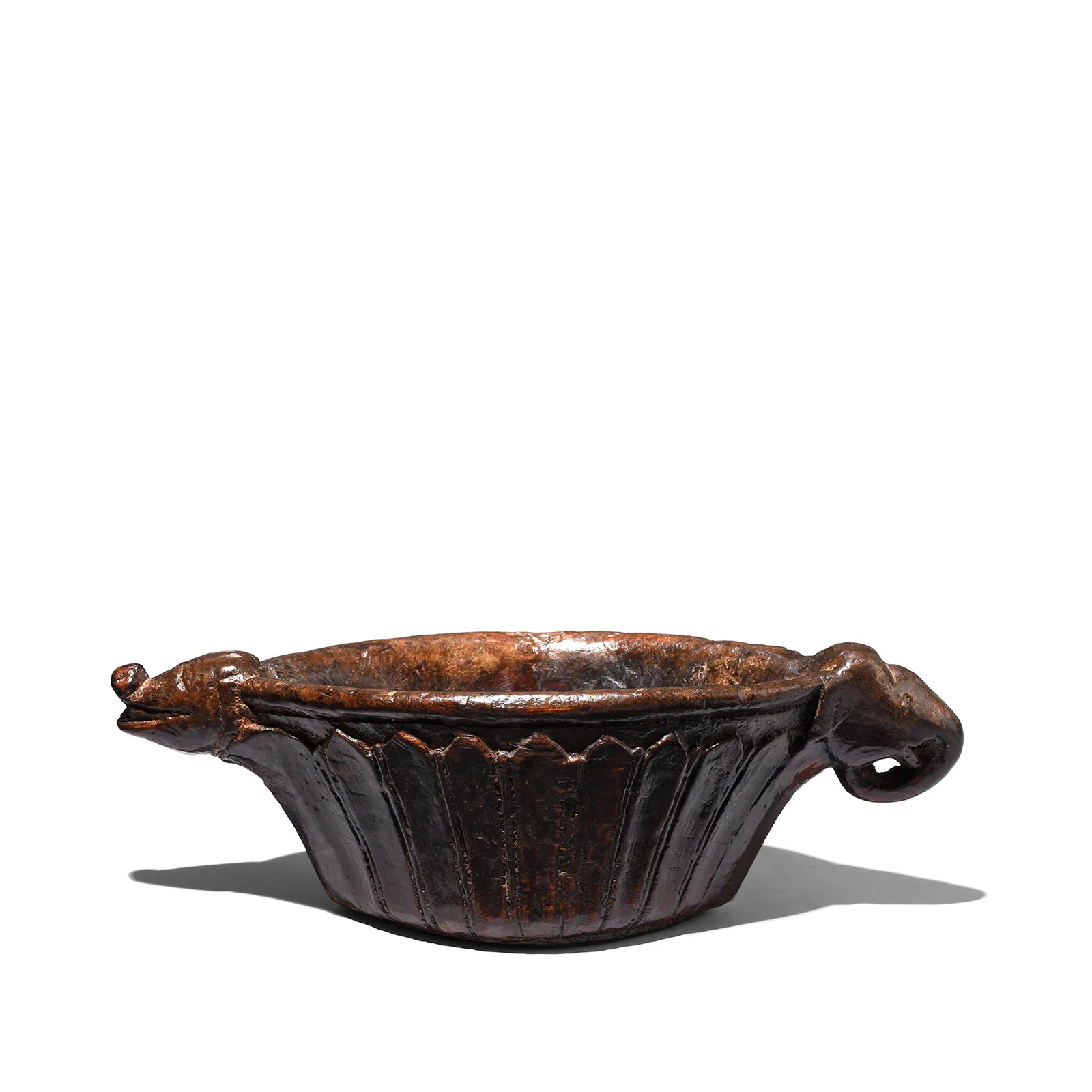
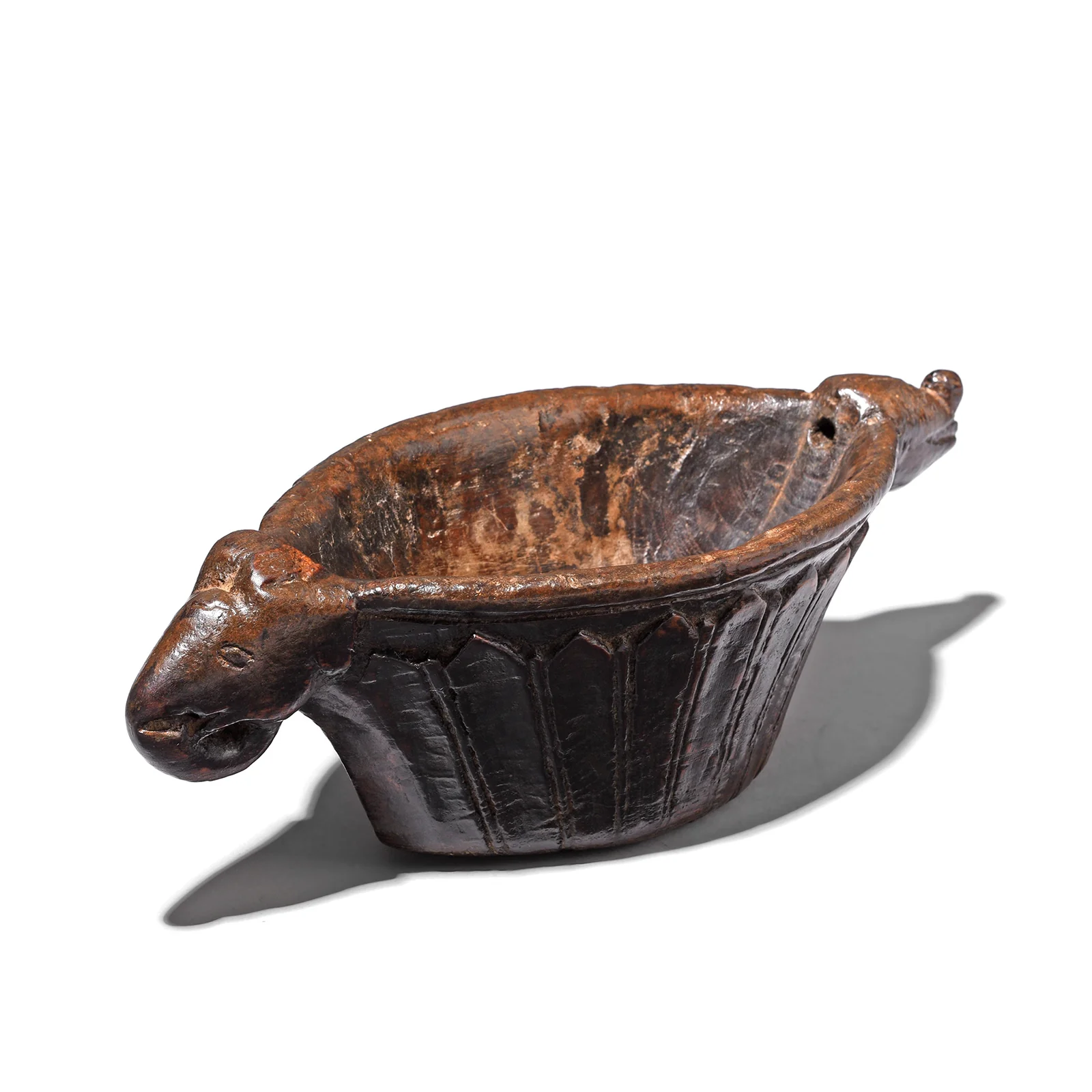
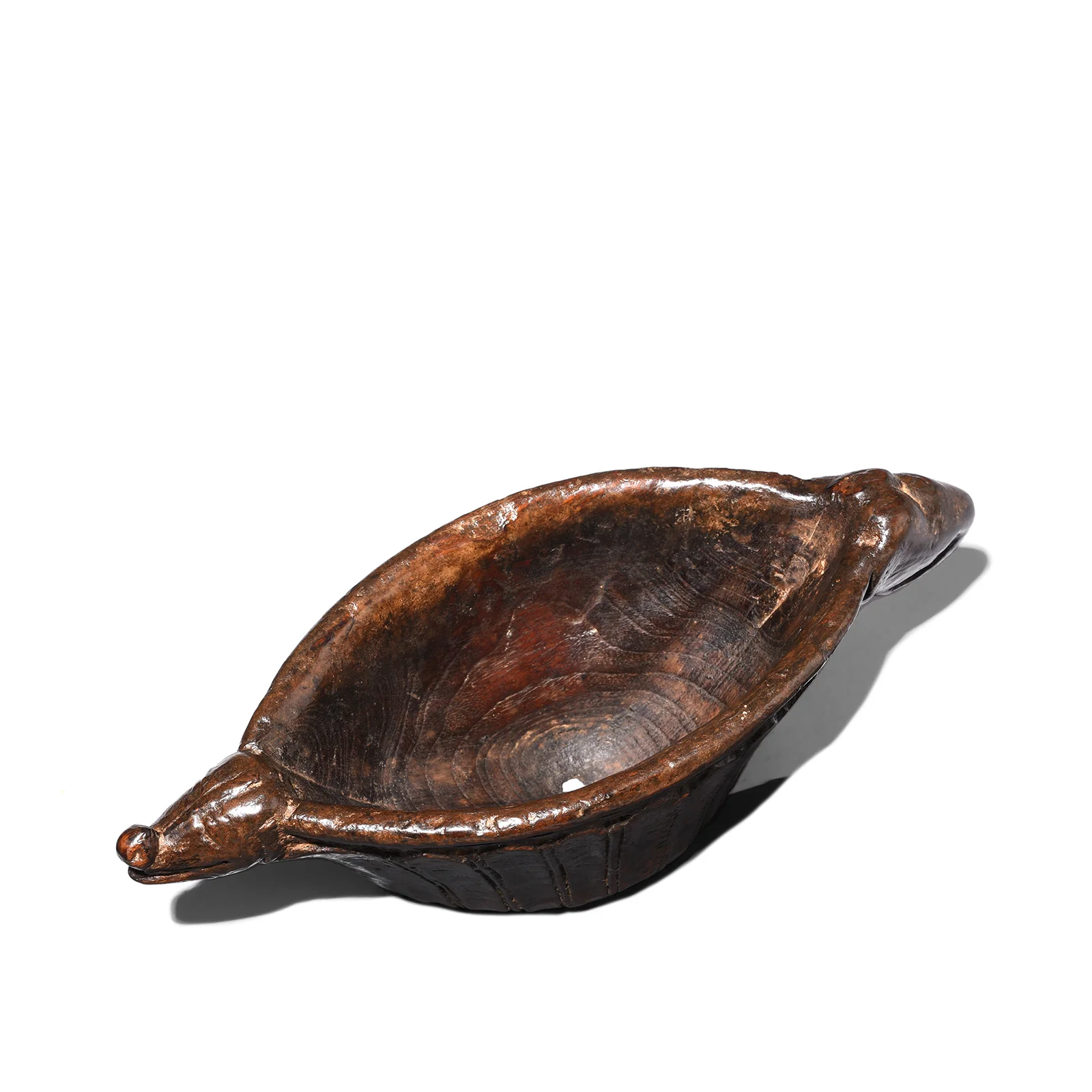
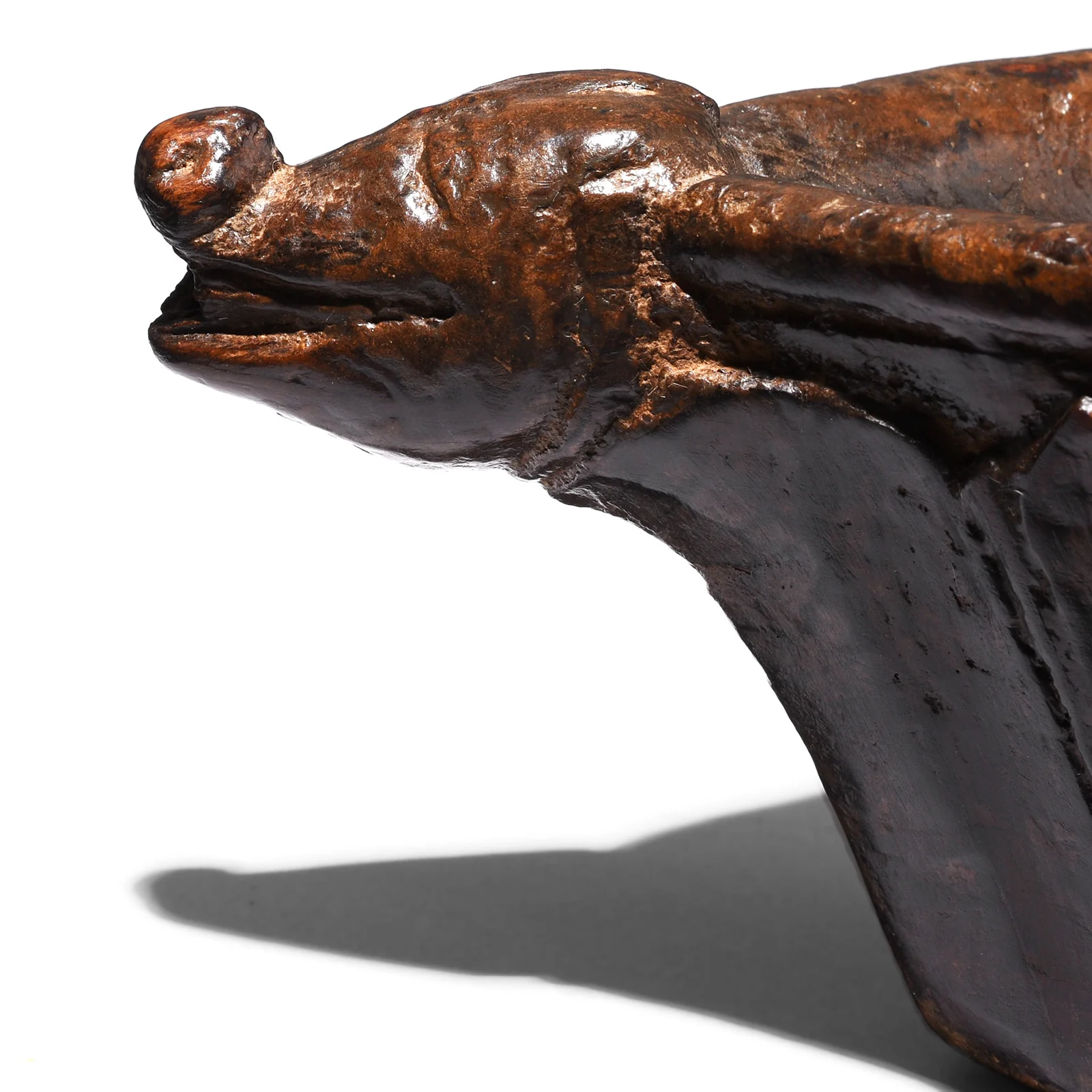
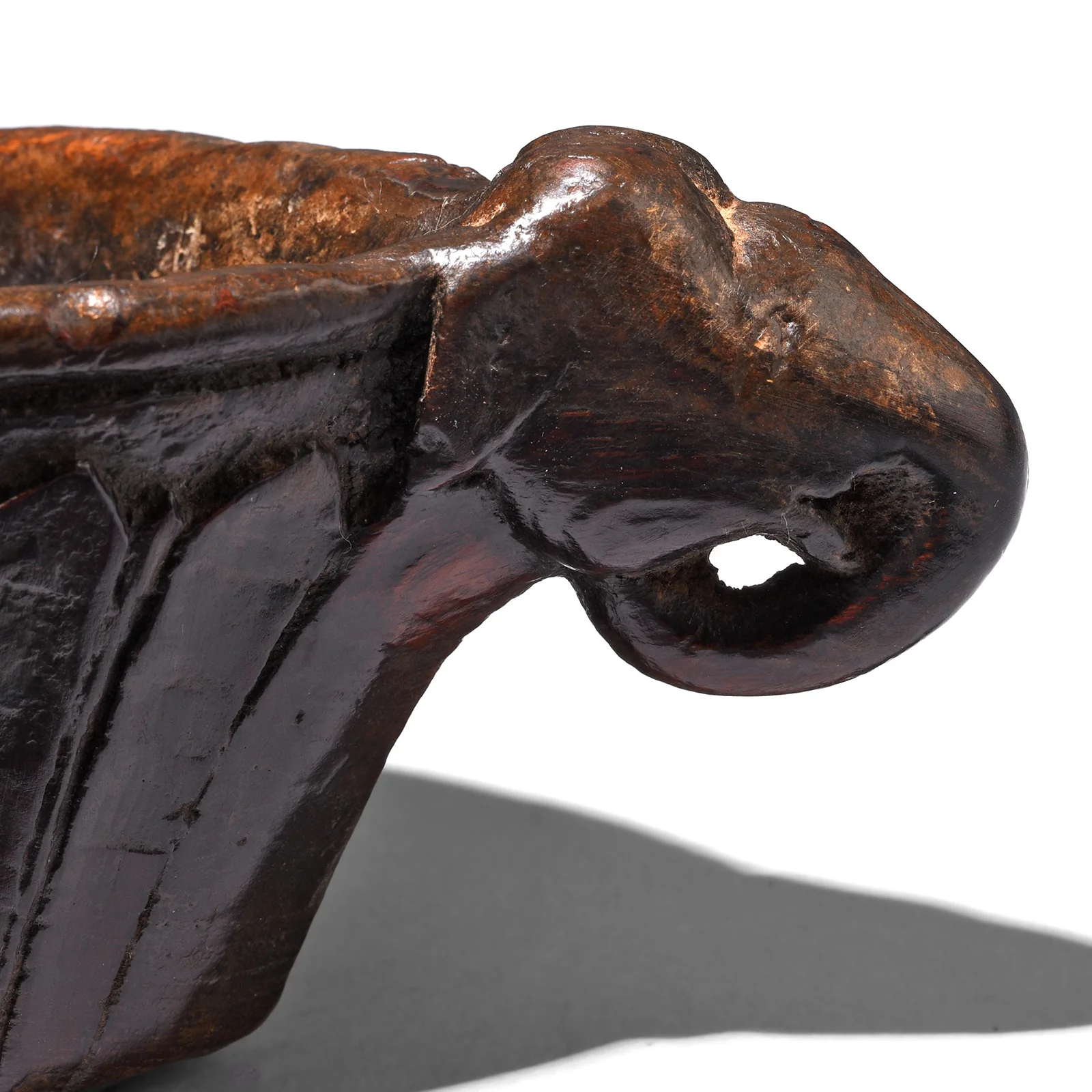
This Indian opium kharal dates to the 19th century. Kharals were used for grinding opium which was then mixed with water & strained through a retort before drinking. This particular kharal features a naively carved elephant head for a handle at one end. The pouring end features a Makara, a legendary Hindu guardian sea creature. It is constructed from rhoeda wood. A lovely feature of this is the hole in the bottom which shows its heavy use.
The tradition of growing and taking opium in Rajasthan has existed for centuries and to some extent, it is still used today during rituals and festivals. Traditionally, opium should only be served in odd numbers of helpings; one, three, or five. Opium would have been consumed by wealthy Marwari merchants & caravan traders across Rajasthan. Opium consumption in Rajasthan would have been commonplace amongst wealthier Rajasthanis.
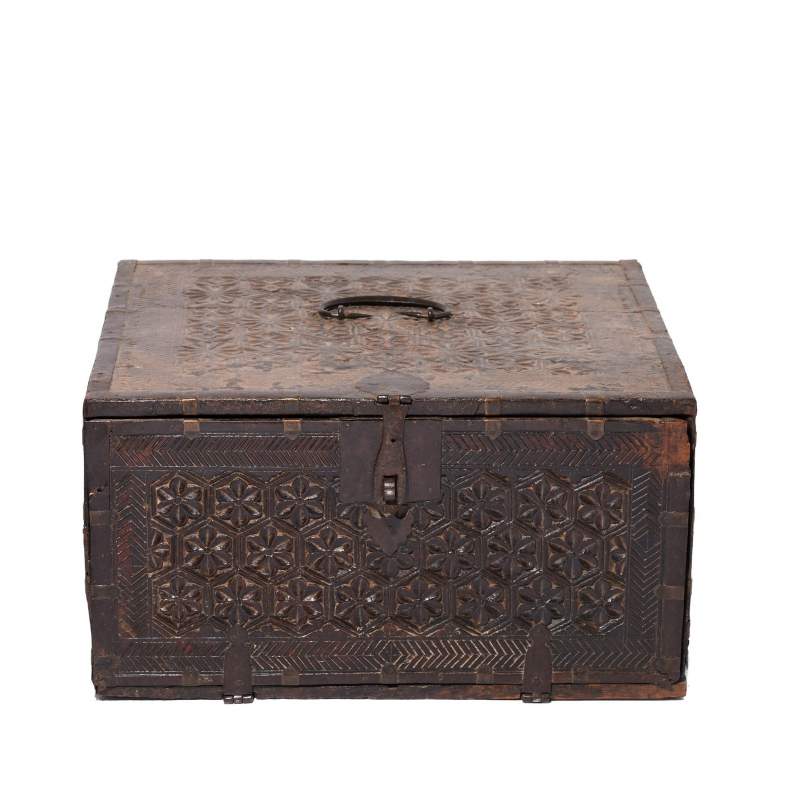
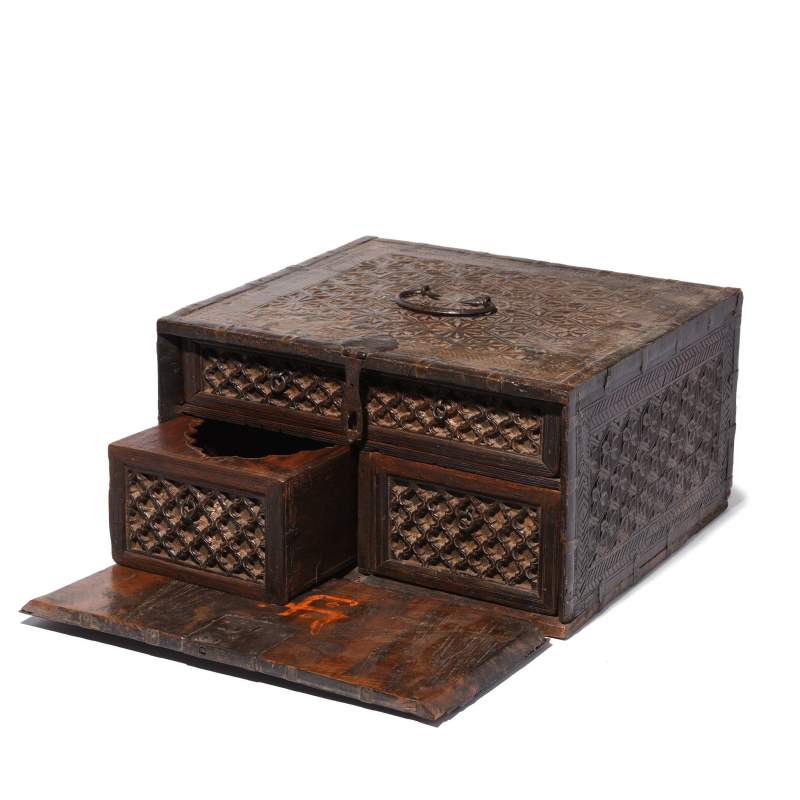
Opium boxes and opium paraphernalia are excellent collectibles. It would make either a unique decorative ornament or a practical desk tidy for keys and change etc.
A similar example can be seen in "Folk Art & Culture of Gujarat: A Guide to the Collection of the Shreyas Folk Museum of Gujarat" by Jyotindra Jain - figure 44. Other examples can be seen in the Sanskriti Museum of Everyday Art in New Delhi, India.
From India
UK Delivery Charge - except Highlands & Islands £7.50
More delivery options available at checkout
Original: $352.43
-65%$352.43
$123.35More Images
Carved Rajasthani Opium Grinder (Kharal) - 19th Century
This Indian opium kharal dates to the 19th century. Kharals were used for grinding opium which was then mixed with water & strained through a retort before drinking. This particular kharal features a naively carved elephant head for a handle at one end. The pouring end features a Makara, a legendary Hindu guardian sea creature. It is constructed from rhoeda wood. A lovely feature of this is the hole in the bottom which shows its heavy use.
The tradition of growing and taking opium in Rajasthan has existed for centuries and to some extent, it is still used today during rituals and festivals. Traditionally, opium should only be served in odd numbers of helpings; one, three, or five. Opium would have been consumed by wealthy Marwari merchants & caravan traders across Rajasthan. Opium consumption in Rajasthan would have been commonplace amongst wealthier Rajasthanis.
Opium boxes and opium paraphernalia are excellent collectibles. It would make either a unique decorative ornament or a practical desk tidy for keys and change etc.
A similar example can be seen in "Folk Art & Culture of Gujarat: A Guide to the Collection of the Shreyas Folk Museum of Gujarat" by Jyotindra Jain - figure 44. Other examples can be seen in the Sanskriti Museum of Everyday Art in New Delhi, India.
From India
UK Delivery Charge - except Highlands & Islands £7.50
More delivery options available at checkout
Product Information
Product Information
Shipping & Returns
Shipping & Returns
Description
This Indian opium kharal dates to the 19th century. Kharals were used for grinding opium which was then mixed with water & strained through a retort before drinking. This particular kharal features a naively carved elephant head for a handle at one end. The pouring end features a Makara, a legendary Hindu guardian sea creature. It is constructed from rhoeda wood. A lovely feature of this is the hole in the bottom which shows its heavy use.
The tradition of growing and taking opium in Rajasthan has existed for centuries and to some extent, it is still used today during rituals and festivals. Traditionally, opium should only be served in odd numbers of helpings; one, three, or five. Opium would have been consumed by wealthy Marwari merchants & caravan traders across Rajasthan. Opium consumption in Rajasthan would have been commonplace amongst wealthier Rajasthanis.
Opium boxes and opium paraphernalia are excellent collectibles. It would make either a unique decorative ornament or a practical desk tidy for keys and change etc.
A similar example can be seen in "Folk Art & Culture of Gujarat: A Guide to the Collection of the Shreyas Folk Museum of Gujarat" by Jyotindra Jain - figure 44. Other examples can be seen in the Sanskriti Museum of Everyday Art in New Delhi, India.
From India
UK Delivery Charge - except Highlands & Islands £7.50
More delivery options available at checkout